
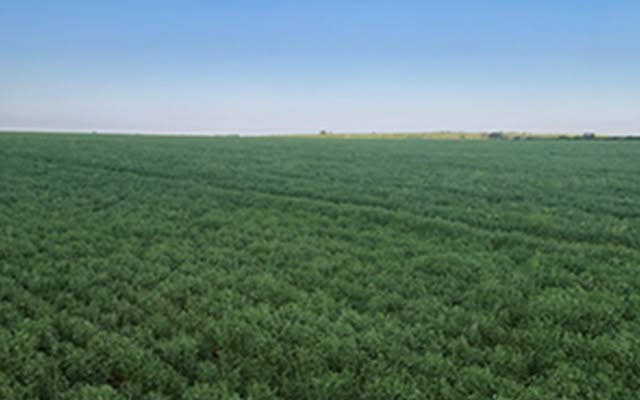
I Italian pulses they bring vegetable proteins, fibers and minerals to the table at economical prices, but today they above all represent a strategic asset for food innovation. In the fields they return nitrogen to the soil, in rotation with the cereals; in industry they feed both a canning supply chain which derives around 58% of its turnover from exports (Anicav, 2026), and a new generation of functional ingredients — heat-treated flours, micronised fibres and protein concentrates — destined for pasta, bakery products, gluten-free formulations and plant-based foods.
The European Union has placed dried legumes at the center of the new Protein action plan, with measures on the Common Agricultural Policy (CAP), promotion, research and public procurement (European Commission, 2026). Italy starts from solid foundations: nine PDO and PGI for beans and lentils, numerous ecotypes registered as Traditional Agri-Food Products (PAT) or protected by Slow Food presidia, reference nutritional research and a processing sector capable of valorising these seeds into semi-finished products with high technological and nutritional content.
This guide brings together updated data on production and foreign trade, a brief history, the species cultivated in different territories, the agronomic role in rotations and organic farming, the nutritional values of cooked pulses, scientific evidence on protein complementarity and health, and finally Made in Italy innovations.
Production, imports and exports of pulses in Italy
Areas and harvests
Istat estimates attribute to grain legumes 84,000 hectares and 166,500 tonnes in 2023, compared to 116,000 hectares and 241,200 tonnes in 2019. broad bean leads in surface area and volumes, with 45,000 hectares and 87,900 tonnes; followed by peas (40,000 t), chickpea (23,600 t), grain bean (10,500 t) and lentil (4,500 t) (Istat, 2024a).
2024 marked a recovery. Overall production grew by almost nine percentage points, driven by lentils (+22%), broad bean (+15.8%) and chickpea (+10.1%), while peas lost 7.8% (Istat, 2025). Aside is placed the soy, which Istat classifies among industrial plants: 297,775 hectares and approximately 1.06 million tons in 2025, with surfaces increased by 69% compared to 2006 (Istat, 2026).
Domestic demand supports the sector. After years of increasing consumption, 2025 also recorded for i canned legumes a positive trend in volume and value (Anicav, 2026).
Foreign trade and processing
In 2025, Italy imported 386,873 tonnes of dried legumes shelled, heading 0713 of the Combined Nomenclature (CN), for 369.3 million euros, against 428,206 tonnes in 2024. Exports of the same heading reached 27,127 tonnes and 49.4 million euros, with an average value of €1.82/kg, almost double that of the imported product (€0.95/kg). In detail, dried beans (NC 0713 33) weigh 154,136 tonnes, lentils 63,894 and chickpeas 59,789; The Canada it is the leading supplier with 105,241 tonnes, 27% of volumes (Eurostat, 2026).
The added value it is generated above all in transformation. The industry of vegetable preserves in 2025, in canned legumes alone, it exceeded 1.2 billion euros in turnover (+3%), of which approximately 700 million from exports, growing in value and volume. Canned beans are the best-selling product (Anicav, 2026).
The indication of the origin of legumes on the label remains voluntary for most products. However, when the label indicates the origin of a food, for example a preserve, and this does not coincide with that of the legume used, the origin of the primary ingredient or the fact that it is different (Regulation (EU) 1169/11, art. 26.3; implementing Regulation (EU) 2018/775, art. 2).
From Roman families to the American bean, a brief history
In ancient Rome, legumes were daily food and an agronomic tool. Cato the Censor, in the 2nd century BC, listed the crops that fertilize the field: 'Quae segetem stercorent fruges: lupinum, faba, vicia' (Cato, De agri cultura, XXXVII, 2). Pliny the Elder remembers that the families the Fabii, the Lentuli and the Ciceros took their name from broad bean, lentil and chickpea, cultivated with particular success by their ancestors; the Pisones drew theirs instead from the grinding of grain, not from the pea (Pliny the Elder, Naturalis historia, XVIII, 3).
The bean American arrived in Europe in the sixteenth century. The first certain European illustration appears in Leonhart Fuchs' herbarium of 1542 (Myers et al., 2022), while in Italy the first documented cultivation is linked to the Belluno humanist Pierio Valeriano, which received the seeds from Pope Clement VII. The new legume then spread throughout the entire peninsula, giving rise to numerous local ecotypes (Piergiovanni & Lioi, 2010).
Species, territories and designations
Italy matters nine designations PDO and PGI of legumes, six for beans and three for lentils. This is accompanied by a wealth of local ecotypes, partly registered in the national list of Traditional Agri-food Products, which has reached its twenty-sixth revision with 5,813 entries (MASAF, 2026), partly protected by Slow Food presidia.
Beans
The bean has six registered designations. The White Beans of Rotonda PDO are grown in four municipalities in the Lucanian Pollino, with distinct minimum protein requirements for the waxy and dry products. Cannellini Bean of Atina PDO, in six municipalities in the province of Frosinone, is cultivated without fertilization.
The Lamon Bean of Bellunese Valley PGI (21 municipalities, seed no older than three years, chemical weeding prohibited) and the Sarconi Bean PGI (eleven municipalities in the Val d'Agri above 600 metres, only local ecotypes of cannellino and borlotto) were registered together in 1996. Cuneo Bean PGI, extended to 183 municipalities in the province, requires from 2026 at least 23% protein on dry matter and 65 ppm iron; the Sorana Bean PGI, in the municipality of Pescia alone, requires manual harvesting and sun drying.
Alongside the denominations, cannellini, borlotti, red and black beans from national supply chains feed the ingredients industry, which obtains flours and protein concentrates; cannellini concentrate reaches about 50% protein, with neutral color and taste.
Among the Traditional Agri-food Products are Controne Bean, Trasimeno Bean, also a Slow Food presidium, as well as the Zolfino Bean of Pratomagno.
Lentils
Italian lentils boast three PGIs. The Altamura Lentil PGI, with Laird and Eston varieties, concerns 19 municipalities in the Murgia in Puglia and Basilicata and is the first in production volumes with high growth potential already demonstrated in recent years. The Castelluccio di Norcia Lentil PGI It is born on the plateau at around 1,400 metres, in the Sibillini Mountains National Park, and is cooked without soaking. There Onano Lentil PGI, in six municipalities in the Viterbo area north-west of Lake Bolsena, excludes mineral fertilization and sets a maximum yield of 2.5 tonnes per hectare.
The Lentils red and yellow, hulled, lend themselves instead to milling: their flour, with a bright color and quick cooking, is among the most used in legume pasta and in gluten-free products.
Colfiorito and Ventotene are among the PATs, while the Slow Food presidia protect, among others, the lentils of Ustica, Villalba, Santo Stefano di Sessanio and the Rascino plateau.
Chickpeas
For Chickpeas there are no PDO or PGI. Biodiversity is expressed in ecotypes valued by Slow Food presidia, such as the Cicerale Chickpea in Cilento, the Black Chickpea of the Murgia carsica, smooth chickpeas from Cassano delle Murge and chickpeas from Navelli in Abruzzo. Regional specialties such as chickpea flour are born from chickpea flour farinata Ligurian and Palermo panelle, while the industry today obtains raw and pre-cooked flours as well micronized fibers to enrich bread, pasta and snacks.
Broad beans
The Broad beans are the most cultivated grain legume in Italy (Istat, 2024a). In the absence of denominations, the genetic heritage lives in ecotypes protected by Slow Food presidia such as the Carpino Broad Bean in the Gargano, the Fava cotòra from Amerino in Umbria, the Fava fava di Fratte Rosa in the Marche and the Fava cottoia from Modica in Sicily.
Peas
I Peas are cultivated mainly for fresh consumption and frozen, as well as a grain protein pea. In the Veneto region, local varieties are known such as the Baone pea and the dwarf Verdone from Colognola ai Colli.
The grain pea, yellow and green, has taken on a growing role as an industrial raw material. Cultivated with supply chain contracts in the central-northern plains, where it comes into rotation with cereals, it is transformed into flours, granules, fibres and protein concentrates intended for pasta, bakery products and plant-based foods.
Grass pea and lupins
The grass pea (Lathyrus sativus) is cultivated in the internal areas of the Centre-South, while in the Marche the Cicerchia di Serra de' Conti is a Slow Food presidium. THE lupins (Lupinus albus and other species) belong to the tradition of Southern Italy and today find new uses, as we have seen, in plant-based foods.
Crop rotation, soil fertility and integrated production
The symbiosis with soil nitrogen-fixing bacteria, the rhizobia, allows legumes to capture the atmospheric nitrogen. Out of over 5,300 field estimates, the share of plant nitrogen derived from the atmosphere reaches on average 74% for broad bean and lupine, 62% for pea, chickpea and lentil, 38% for common bean (Peoples et al., 2021).
Inserted in crop rotations, legumes increase the yield of the subsequent crop by an average of 20%, according to the global meta-analysis of 11,768 observations from 462 field experiments; the benefit is greater in low-input and poorly diversified systems (Zhao et al., 2022). Legumes also emit five to seven times fewer greenhouse gases per unit area compared to other crops, reducing the need for synthetic fertilisers (Stagnari et al., 2017).
The integrated production values these benefits. The National Quality System for Integrated Production (SQNPI) is based on regional regulations which provide for the crop rotation of crops, the reduction of chemical inputs and the recording of every field intervention, with checks by third parties. The voluntary standard UNI 11233 in turn defines the principles for designing and implementing integrated production systems – from cultivation to the processing of plant products – and is subject to certification by accredited certification bodies.
Organic legumes, benefits for soil and supply chain
In the'agriculture organic legumes are a necessary part of the system. European regulations prescribe indeed – outside surfaces used for grazing and permanent meadows – multi-year rotations that include legumes as a main or cover crop, together with other green manure crops (EU regulation 2018/848, Annex II, part I, point 1.9.2, letter 'a').
Organic surfaces in protein crops and grain legumes grew in Italy in 2024 by 9,708 hectares (+21,8%), up to 54,177 hectares, while organic cereals lost 12.9% (ISMEA, 2025). For the farmer, organic legumes offer a double advantage:
- it feeds farm fertility without synthetic nitrogen fertilizers, whose costs have increased disproportionately in recent years;
- accesses an international market that rewards both agroecology and Italian origin, today also recognizable with the Italian organic mark.
The principles and controls of the organic finally, they guarantee buyers and consumers a method verified along the entire supply chain on the basis of uniform European rules in force for 35 years, starting from Regulation (EC) no. 2082/1991.
Nutritional values of cooked legumes
Nutritional information refers to foods ready to be consumed according to the manufacturer's instructions (Regulation (EC) 1924/06, art. 5.3). Legumes should therefore be evaluated on the cooked product, as soaking and cooking reduce the concentration of nutrients to less than half that of the dry seed.
The table below reports the values per 100 grams By dried legumes cooked in water without salt and drained, as well as soaked lupins, according to the CREA food composition tables (Council for Agricultural Research and Agricultural Economic Analysis, 2019), supplemented for missing data with the FoodData Central database of the United States Department of Agriculture (USDA, 2018). Vitamins and minerals are reported when in at least one legume they exceed 15% of the nutritional reference values set out in Annex XIII to Regulation (EU) no. 1169/2011, indicated in brackets.
| Values per 100 g | Chickpeas | Beans | Shelled broad beans | Lentils | Dried peas | Soaked lupins |
| Energy | 553 kJ / 132 kcal | 491 kJ / 117 kcal | 610 kJ / 146 kcal | 456 kJ / 109 kcal | 440 kJ / 105 kcal | 500 kJ / 119 kcal |
| Fat | 2.4 g | 0.7 g | 1.3 g | 0.4 g | 0.4 g | 2.4 g |
| of which saturated fatty acids | 0.3 g | 0.1 g | 0.1 g | 0.1 g | 0.1 g | 0.3 g |
| Carbohydrates | 18.9 g | 17.0 g | 22.4 g | 16.3 g | 12.8 g | 7.1 g |
| of which sugars | 1.3 g | 1.2 g | 2.1 g | 0.7 g | 2.9 g | 0.5 g |
| Fiber | 5.8 g | 7.8 g | 3.0 g | 8.3 g | 8.3 g | 2.8 g |
| Proteins | 7.0 g | 7.9 g | 11.0 g | 6.9 g | 8.3 g | 16.4 g |
| Salt | 0.01 g | 0.01 g | 0.01 g | 0.01 g | 0.01 g | |
| Potassium | 302 mg (15%) | 405 mg (20%) | 362 mg (18%) | |||
| Phosphorus | 148 mg (21%) | 138 mg (20%) | 125 mg (18%) | 146 mg (21%) | ||
| Iron | 2.2 mg (16%) | 3.0 mg (21%) | 5.5 mg (39%) | |||
| Zinc | 1.7 mg (17%) | |||||
| Copper | 0.30 mg (30%) | 0.22 mg (22%) | 0.26 mg (26%) | 0.30 mg (30%) | 0.18 mg (18%) | 0.23 mg (23%) |
| Manganese | 1.03 mg (52%) | 0.43 mg (22%) | 0.42 mg (21%) | 0.49 mg (25%) | 0.40 mg (20%) | 0.68 mg (34%) |
| Thiamine | 0.20 mg (18%) | 0.19 mg (17%) | ||||
| Folates | 45 µg (23%) | 130 µg (65%) | 104 µg (52%) | 181 µg (91%) | 65 µg (33%) | 59 µg (29.5%) |
Notes: saturated fatty acids and manganese, as well as sodium and micronutrients not reported by CREA, come from the USDA database (2018), as does the entire column of dried peas, for which available carbohydrates and energy are recalculated according to the criteria set out in Annex XIV to Regulation (EU) No. 1169/2011.
Once cooked, legumes provide from 6.9 to 11 grams of Proteins per 100 grams, which rise to 16.4 in lupins, as well as from 2.8 to 8.3 grams of Fiber, with minimal amounts of fat and sodium. The stand out Folates, which in lentils are close to the reference value, as well Copper e Manganese, present in significant quantities in all the legumes considered.
Nutritional and health claims
Based on the values set out above, ready-to-eat legumes may bear the nutritional claims listed in the table below, under the conditions set out for proteins, fiber, fats, sugars, salt, vitamins and minerals (Reg. EC 1924/06, Annex).
| Ready-to-eat legume | Proteins | Fiber | Fats, sugars and salt (c) | High in | Source of |
| Cooked chickpeas | High protein content | high in fiber (a) | low in fat and sugars, salt-free | copper, manganese | potassium, phosphorus, iron, zinc, thiamine, folate |
| Cooked beans | High protein content | High fibre content | low in fat and sugars, salt-free | Folates | potassium, phosphorus, copper, manganese |
| Cooked shelled broad beans | High protein content | source of fiber | low in fat and sugars, salt-free | Folates | Phosphorus, copper, manganese |
| Cooked lentils | High protein content | High fibre content | Fat-free, low sugar content, no salt | Copper, folates | Phosphorus, iron, manganese |
| Cooked dried peas | High protein content | High fibre content | Fat-free, low sugar content, no salt | Folates | Potassium, copper, manganese, thiamine |
| Soaked lupins | High protein content | Source of fibre (b) | Low fat content, no sugars, no salt | Iron, manganese | Copper, folates |
Legend: (a) with 5.8 g per 100 g, cooked chickpeas do not reach the threshold of 6 g per 100 g, but exceed the alternative threshold of 3 g per 100 kcal (4.4 g); (b) lupins, with 2.8 g per 100 g, exceed the threshold of 1.5 g per 100 kcal (2.4 g) established for the 'fibre source'; (c) the indications on fats, sugars and salt refer to products without salt or other added ingredients and, since the relevant conditions are satisfied in nature, they can be preceded by the term 'naturally' (EC regulation 1924/06, Annex).
The legitimate use of nutrition claim requires verification of compliance with thresholds through analysis on representative samples of products, with limited tolerance to the measurement uncertainty on the minimum value, to be guaranteed for the entire shelf life (Dongo, 2023).
Some values are at the limit of the thresholds established for the relevant indications and must therefore be carefully evaluated during the analysis: potassium (15.1% of the nutritional reference values) and iron (15.7%) in chickpeas, copper in chickpeas and lentils (30%), fiber in broad beans (3.0 g), sugars in lupins (0.5 g), sodium in chickpeas and broad beans (5 mg). On the other hand, databases sometimes report different values for the same legume, which reflect differences in variety and preparation.
Nutritional claims in turn open the door to health claim authorized for proteins, potassium, phosphorus, iron, zinc, copper, manganese, thiamine and folate, which can be used when the food is at least a source of the nutrient (EU regulation 432/12).
Cereals and legumes, complementary proteins
Legume proteins are rich in lysine and poor in sulfur-containing amino acids, methionine and cysteine, which CREA indicates as limiting in chickpeas (chemical score 103), peas (88) and beans (87) (CREA, 2019). In cereals the opposite occurs: lysine is usually the first limiting amino acid. The study on mixtures cooked of cereals and legumes confirms that the pairing compensates for most of the essential amino acids deficient amino acids, improving the DIAAS (Digestible Indispensable Amino Acid Score) compared to individual foods (Han et al., 2021).
The DIAAS method, recommended by FAO (Food and Agriculture Organization), assigns to each protein a score given by its essential amino acid poorest, corrected for ileal digestibility: from 100 and above the quality is excellent, from 75 to 99 high, below that no indications of quality are permitted. Based on available data for 17 protein sources, a blend of pea and rice proteins achieves a maximum DIAAS of 84 when rice represents 41% of the protein; pea, soy and potato are confirmed as capable of completing a wide range of plant proteins (Herreman et al., 2020).
The review dedicated to vegetarian and vegan diets concludes that legumes, nuts and seeds may be sufficient to guarantee protein adequacy in adults, while the risk of amino acid deficiencies has long been overestimated (Mariotti & Gardner, 2019). Italian cuisine has applied this principle for centuries with pasta and chickpeas, pasta and beans or Venetian rice and peas.
Possible health benefits
The umbrella review commissioned by the European Association for the Study of Diabetes associates the higher consumption of legumes with a lower incidence By cardiovascular disease (RR 0.92), coronary heart disease (RR 0.90), hypertension (RR 0.91) and obesity (RR 0.87), with certainty levels ranging from low to very low; no significant associations emerge with diabetes and stroke (Viguiliouk et al., 2019).
The dose-response meta-analysis on 32 cohorts and over 1.1 million participants estimates that every additional 50 grams daily of legumes reduce the risk of all-cause mortality, without significant associations for cardiovascular or cancer mortality (Zargarzadeh et al., 2023).
Randomised clinical trials confirm direct effects on metabolic profile. Diets richer in legumes reduce total cholesterol by 0.23 mmol/L, LDL cholesterol by 0.16 mmol/L and fasting blood glucose by 0.18 mmol/L, with moderate certainty (Hossain et al., 2025). A daily serving of about 132 grams further promotes a modest reduction in body weight, equal to an average of 0.34 kg in six weeks (Kim et al., 2016). Legumes express these benefits as part of a balanced diet, in line with the Mediterranean model.
The glycaemic response confirms the picture. According to the meta-analysis of acute and long-term randomised clinical studies, legume consumption reduces glycaemic peak postprandial of more than 1 mmol/L in normoglycaemic adults and more than 2.5 mmol/L in people with type 2 diabetes, in whom it also improves fasting glycaemia and glycated haemoglobin (Hafiz et al., 2022).
No health claims referring to legumes as such appear today in the list of claims authorized in the European Union (EU regulation 432/12). The benefits suggested by the studies mentioned above cannot therefore be attributed to the products in commercial communication, where instead the nutritional indications and authorized claims on individual nutrients can be valorised, under the respective conditions of use.
Made in Italy innovation, from pasta to protein ingredients
The Italian industry has transformed legumes into consumer products and into functional ingredients for other industries. Chickpeas, red and yellow lentils, green and yellow peas, cannellini, borlotti, red and black beans are processed into raw flours, heat-treated flours with low-temperature pressure cooking (which reduces preparation times and improves workability), toasted flours with a hazelnut aromatic profile, granules of different particle sizes and micronised fibres. These semi-finished products, gluten-free and from controlled supply chains, are the basis of many product innovations.
The legume pasta, obtained only from chickpea, lentil, pea or bean flour, is naturally gluten-free and rich in proteins and fibres. The cereal and pulse pasta combines semolina – namely flours of other cereals or pseudocereals – and legumes in a single format, applying the protein complementarity described above.
I protein concentrates of pea and bean, obtained by dry fractionation without water or solvents, retain part of the seed matrix, fibres included, and are used in pastas, gluten-free products and plant-based foods. The crackers and the snacks based on legumes respond to the demand for ready-to-eat products for consumption, while the formulations gluten-free with low glycaemic index open spaces in specialized nutrition.
Conclusions
Italian legumes combine solid agronomic foundations, robust nutritional evidence and a heritage of biodiversity recognized in nine PDOs and PGIs, several PATs and Slow Food presidia. The growth of organic surfaces, the resumption of harvests in 2024 and an export-oriented processing industry indicate the direction. The European Protein Plan now offers tools to increase national production and bring more legumes grown and processed in our country to the tables, in Italy and abroad.
Our team of FARE supports operators and their representatives as well as research bodies and consortia in designing clinical studies with a regulatory by design approach and in submitting applications for health claim authorization. As well as assisting operators in strategic compliance planning, innovation and commercial information.
Dario Dongo
Credit cover Maria Desiante, president of the Altamura Lentil PGI Protection Consortium
Frequently asked questions about Italian legumes
What are Italian PDO and PGI legumes? There are nine: White Beans of Rotonda PDO, Cannellini Bean of Atina PDO, Lamon Bean of Bellunese Valley PGI, Sarconi Bean PGI, Cuneo Bean PGI, Sorana Bean PGI, Lentil of Castelluccio di Norcia PGI, Altamura Lentil PGI and Onano Lentil PGI. For chickpeas, broad beans and peas there are no registered designations.
How many dried legumes does Italy import? In 2025, Italy imported 386,873 tonnes of shelled dried legumes (NC 0713), for 369.3 million euros. Canada is the top supplier, with 27% of volumes.
Why does Italy import legumes while exporting their preserves? The national production of grain legumes, 166,500 tonnes in 2023 (Istat, 2024a), does not cover the demand of consumers and industry: in 2025 Italy imported 386,873 tonnes of dried legumes at an average value of €0.95/kg, exporting 27,127 tonnes at €1.82/kg (Eurostat, 2026). The value is concentrated in the transformation: canned legumes have exceeded 1.2 billion euros in turnover, of which approximately 700 million from exports (Anicav, 2026).
When is it mandatory to indicate the origin of legumes on the label? For the majority of dried and preserved legumes, the origin is voluntary. It becomes mandatory if its omission could mislead the consumer (EU regulation 1169/11, art. 26.2, letter 'a'); if the label declares an origin different from that of the legume used, the origin of the primary ingredient must also be indicated (EU executive regulation 2018/775, art. 2); in organic products with the EU logo, the place of cultivation must be indicated, for example 'EU Agriculture' or 'Italian Agriculture' (EU regulation 2018/848, art. 32.2). The PDO and PGI guarantee by definition the origin of the area of the specification.
What is the advantage of combining cereals and legumes? Legumes are rich in lysine and poor in sulfur amino acids, cereals the opposite. The combination compensates for most of the deficiencies and improves the overall protein quality of the meal.
Are legumes good for the heart? Meta-analyses associate regular consumption of legumes with a lower incidence of cardiovascular disease and reductions in total and LDL cholesterol, as part of a balanced diet. However, these indications are not permitted on product labeling and advertising.
What role do legumes play in crop rotations? They fix atmospheric nitrogen and increase the yield of the following crop by an average of 20%, reducing the use of synthetic fertilizers.
What do organic legumes offer? In organic farming, crop rotations with legumes are prescribed by EU regulations. In Italy, organic areas growing grain legumes increased by 21.8% in 2024, reaching 54,177 hectares.
References
Agricultural statistics and foreign trade
Anicav. (2026, February 10). World Pulses Day. Fund worth over 1.2 billion euros. 58% of the turnover comes from exports [Press release]. https://anicav.it/wp-content/uploads/2026/02/CS-giornata-internazionale-legumi-2026.pdf
Eurostat. (2026). EU trade since 2002 by CN8 (DS-045409). Comext database, CN items 0713, 0713 20, 0713 33, 0713 40, declarant Italy, years 2024-2025. Accessed 23 November 2026. https://ec.europa.eu/eurostat/databrowser/view/ds-045409/default/table
ISMEA. (2025). Organic in figures 2025. SINAB. https://sinab.it/wp-content/uploads/2025/12/Rapporto-BIC-ISMEA-2025-web_17_12.pdf
Istat. (2024a). Italian Statistical Yearbook 2024. Chapter 13, Agriculture (table 13.2). https://www.istat.it/storage/ASI/2024/capitoli/C13.pdf
Istat. (2025). Italian Statistical Yearbook 2025. Chapter 13, Agriculture. https://www.istat.it/storage/ASI/2025/capitoli/C13.pdf
Istat. (2026, 4 September). Agricultural and livestock production. Year 2025 [Focus]. https://www.istat.it/wp-content/uploads/2026/09/Focus_Produzioni-agricole-e-zootecniche_Anno-2025-rev-7-settembre.pdf
European and national agricultural policies
European Commission. (2026). Action plan for the resilience, strategic autonomy and sustainability of the EU protein system. Document COM(2026) 355 final of 7.7.2026. https://data.consilium.europa.eu/doc/document/ST-11410-2026-INIT/it/pdf
MASAF. (2026). Update of the national list of traditional agri-food products (26A00719). Official Journal of the Italian Republic, General Series n. 40 of 18.2.2026. https://www.gazzettaufficiale.it/eli/gu/2026/02/18/40/SG/html
European rules on labelling, nutritional claims and organic
Commission Implementing Regulation (EU) 2018/775 of 28 May 2018 laying down rules for the application of Article 26(3) of Regulation (EU) No 1169/2011 of the European Parliament and of the Council on the provision of food information to consumers, as regards the rules for indicating the country of origin or place of provenance of the primary ingredient of a food. OJ L 131, 29.5.2018, p. 8-11. http://data.europa.eu/eli/reg_impl/2018/775/oj
Commission Regulation (EU) No 432/2012 of 16 May 2012 establishing a list of permitted health claims made on foods, other than those referring to the reduction of disease risk and to children's development and health. Consolidated text: 08/20/2025. http://data.europa.eu/eli/reg/2012/432/2025-08-20
Regulation (EC) No 1924/2006 of the European Parliament and of the Council of 20 December 2006 on nutrition and health claims made on foods. Consolidated text: 13/12/2014. http://data.europa.eu/eli/reg/2006/1924/2014-12-13
Regulation (EU) No 1169/2011 of the European Parliament and of the Council of 25 October 2011 on the provision of food information to consumers, amending Regulations (EC) No 1924/2006 and (EC) No 1925/2006 of the European Parliament and of the Council, and repealing Commission Directive 87/250/EEC, Council Directive 90/496/EEC, Commission Directive 1999/10/EC, Directive 2000/13/EC of the European Parliament and of the Council, Commission Directives 2002/67/EC and 2008/5/EC and Commission Regulation (EC) No 608/2004. Consolidated text:01/04/2025. Regulation (EU) 2011/1169 of the European Parliament and of the Council of 25 October 2011 on the provision of food information to consumers. Consolidated text: 01/04/2025.
Regulation (EU) 2018/848 of the European Parliament and of the Council of 30 May 2018 on organic production and labelling of organic products and repealing Council Regulation (EC) No 834/2007. Consolidated text: 25/03/2025. http://data.europa.eu/eli/reg/2018/848/2025-03-25
Historical sources and history of beans in Italy
Catone, M. P. (1934). De agri cultura (W. D. Hooper & H. B. Ash, Eds.; Loeb Classical Library). LacusCurtius. https://penelope.uchicago.edu/Thayer/L/Roman/Texts/Cato/De_Agricultura/A*.html
Myers, J. R., Formiga, A. K., & Janick, J. (2022). Iconography of beans and related legumes following the Columbian exchange. Frontiers in Plant Science, 13, 851029. https://doi.org/10.3389/fpls.2022.851029
Piergiovanni, A. R., & Lioi, L. (2010). Italian common bean landraces: History, genetic diversity and seed quality. Diversity, 2(6), 837-862. https://doi.org/10.3390/d2060837
Pliny the Elder. (1856). The Natural History of Pliny (J. Bostock & H. T. Riley, trans.; vol. 4, book XVIII). Henry G. Bohn. https://www.gutenberg.org/files/61113/61113-h/61113-h.htm
Scientific studies on nitrogen fixation and crop rotations
Peoples, M. B., Giller, K. E., Jensen, E. S., & Herridge, D. F. (2021). Quantifying country-to-global scale nitrogen fixation for grain legumes: I. Reliance on nitrogen fixation of soybean, groundnut and pulses. Plant and Soil, 469(1-2), 1-14. https://doi.org/10.1007/s11104-021-05167-6
Stagnari, F., Maggio, A., Galieni, A., & Pisante, M. (2017). Multiple benefits of legumes for agriculture sustainability: An overview. Chemical and Biological Technologies in Agriculture, 4, 2. https://doi.org/10.1186/s40538-016-0085-1
Zhao, J., Chen, J., Beillouin, D., Lambers, H., Yang, Y., Smith, P., Zeng, Z., Olesen, J. E., & Zang, H. (2022). Global systematic review with meta-analysis reveals yield advantage of legume-based rotations and its drivers. Nature Communications, 13, 4926. https://doi.org/10.1038/s41467-022-32464-0
Food Composition Tables
CREA. (2019). Food Composition Tables. Sheets 004005 (chickpeas, dried, cooked), 004105 (beans, cooked), 004425 (broad beans, dried, shelled, cooked), 004505 (lentils, dried, cooked), 004600 (lupins, soaked), 004000 (chickpeas, dried), 004100 (beans, dried), 004710 (peas, dried). https://www.alimentinutrizione.it/nutrition-tables/
Dongo, D. (2023, June 29). Nutrition and health claims, what tolerances on declared values? Food Times. https://www.foodtimes.eu/it/consumers-and-health/nutrition-health-claims-tolerances-declared-values/
USDA, Agricultural Research Service. (2018). FoodData Central: SR Legacy. Data sheets 173757 (chickpeas, cooked), 173740 (kidney beans, cooked), 173753 (broad beans, cooked), 172421 (lentils, cooked), 172429 (split peas, cooked), 172424 (lupins, cooked). https://fdc.nal.usda.gov/
Scientific studies on protein quality and complementarity
Han, F., Moughan, P. J., Li, J., Stroebinger, N., & Pang, S. (2021). The complementarity of amino acids in cooked pulse/cereal blends and effects on DIAAS. Plants, 10(10), 1999. https://doi.org/10.3390/plants10101999
Herreman, L., Nommensen, P., Pennings, B., & Laus, M. C. (2020). Comprehensive overview of the quality of plant- and animal-sourced proteins based on the digestible indispensable amino acid score. Food Science & Nutrition, 8(10), 5379-5391. https://doi.org/10.1002/fsn3.1809
Mariotti, F., & Gardner, C. D. (2019). Dietary protein and amino acids in vegetarian diets: A review. Nutrients, 11(11), 2661. https://doi.org/10.3390/nu11112661
Scientific studies on health benefits
Hafiz, M. S., Campbell, M. D., O’Mahoney, L. L., Holmes, M., Orfila, C., & Boesch, C. (2022). Pulse consumption improves indices of glycemic control in adults with and without type 2 diabetes: A systematic review and meta-analysis of acute and long-term randomized controlled trials. European Journal of Nutrition, 61(2), 809-824. https://doi.org/10.1007/s00394-021-02685-y
Hossain, M. A., Soni, K., Agyei, D., Kebede, B., & Reynolds, A. N. (2025). Legume intakes on cardiometabolic profile and gut microbiome function: Systematic review and meta-analyses of randomised controlled trials. European Journal of Nutrition, 64(1), 60. https://doi.org/10.1007/s00394-024-03576-8
Kim, S. J., de Souza, R. J., Choo, V. L., Ha, V., Cozma, A. I., Chiavaroli, L., Mirrahimi, A., Blanco Mejia, S., Di Buono, M., Bernstein, A. M., Leiter, L. A., Kris-Etherton, P. M., Vuksan, V., Beyene, J., Kendall, C. W. C., Jenkins, D. J. A., & Sievenpiper, J. L. (2016). Effects of dietary pulse consumption on body weight: A systematic review and meta-analysis of randomized controlled trials. The American Journal of Clinical Nutrition, 103(5), 1213-1223. https://doi.org/10.3945/ajcn.115.124677
Viguiliouk, E., Glenn, A. J., Nishi, S. K., Chiavaroli, L., Seider, M., Khan, T., Bonaccio, M., Iacoviello, L., Blanco Mejia, S., Jenkins, D. J. A., Kendall, C. W. C., Kahleová, H., Rahelić, D., Salas-Salvadó, J., & Sievenpiper, J. L. (2019). Associations between dietary pulses alone or with other legumes and cardiometabolic disease outcomes: An umbrella review and updated systematic review and meta-analysis of prospective cohort studies. Advances in Nutrition, 10(Suppl. 4), S308-S319. https://doi.org/10.1093/advances/nmz113
Zargarzadeh, N., Mousavi, S. M., Santos, H. O., Aune, D., Hasani-Ranjbar, S., Larijani, B., & Esmaillzadeh, A. (2023). Legume consumption and risk of all-cause and cause-specific mortality: A systematic review and dose-response meta-analysis of prospective studies. Advances in Nutrition, 14(1), 64-76. https://doi.org/10.1016/j.advnut.2022.10.009

Dario Dongo, lawyer and journalist, PhD in international food law, founder of WIISE (FARE - GIFT – Food Times) and Égalité.


