

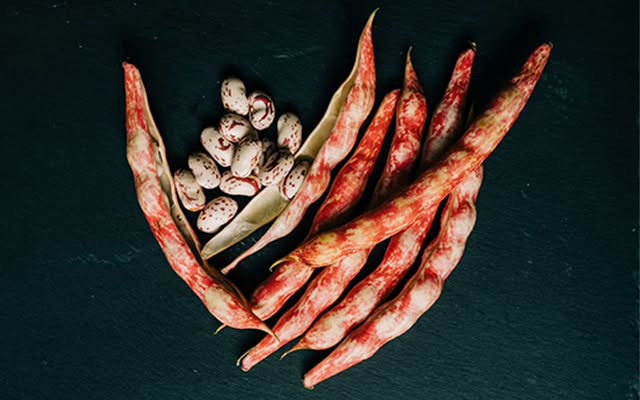
Italy cultivates but above all imports dry beans and exports preserved beans, which rank first among legume preserves. In 2025 it imported 152,888 tonnes of shelled dry beans and exported 9,375 tonnes; in the same year it exported 347,132 tonnes of prepared or preserved beans, compared to 4,013 imported. Two customs entries and two distinct markets reveal the vitality of a sector that in 2025 exceeded 1.2 billion euros in turnover: as in the pasta sector, industrial demand exceeds domestic supply of raw materials and the value of Made in Italy is recognized for the mastery in their selection and processing. The six geographical indications registered in the European Union are on another level, with regulations that protect biodiversity, traditions and territories and with niche productions. This article illustrates market data, history, territories and agronomic practices, nutritional profiles and scientific evidence, as well as uses of the bean in Italian cuisine recognized by UNESCO.
The bean market in Italy
Legume preserves, 2025 data
The Italian canned legume preserves sector closed 2025 with a turnover of over 1.2 billion euros, an increase of 3% over 2024. Theexport amounts to about 700 million, 58% of the total, with an increase of about 4% both in value and volume (Anicav, announcement of February 10, 2026).
Canned and jarred beans are 'once again the best-selling product, representing about 42% of the vegetable preserves market excluding red preserves'. The tomato derivatives, in fact, remain the leading sector in the Italian preserves industry.
The trade balance, two customs entries to keep distinct
Customs data describe two separate markets: item CN 0713 33 covers only shelled dry beans, that is the raw material; item CN 2005 51 covers shelled prepared or preserved beans, i.e. the finished product of the preserves industry. Neither alone measures the sector.
On the raw material Italy is structurally deficient:
- in 2025 imported 152,888 tons of dry beans for 195.3 million euros, compared to 133,599 tons in 2024;
- in the same year exported 9,375 tons for 20.9 million, compared to 7,503 tons in 2024;
- The origins of imports, by value, are led by the United States (46.2 million euros), Canada (41.0), Argentina (35.2), China (25.1), Egypt (12.4) and Poland (12.2).
On the processed product the situation reverses:
- in 2025 Italy exported 347,132 tons of prepared or preserved beans for 337.7 million euros, compared to 334,620 tons in 2024;
- imports of the same category stand at 4,013 tons for 7.5 million;
- the 337.7 million correspond to about half of the 700 million exports attributed by Anicav to the entire canned legume sector, which also includes chickpeas, lentils, and peas (Eurostat, Comext database).
The two quantities should not be summed or compared by weight: the preserve includes the brine, and one ton of cooked product, in can or glass jar, contains much less legume than one ton of dry product. However, the comparison clearly shows the direction of the supply chain: the bean enters Italy shelled and dry, to exit cooked and canned.
National production explains why. In 2023, the dry bean occupied in Italy 4,000 hectares for 10.5 thousand tons, the fresh bean and green bean 17,000 hectares for 152,400 tons, compared to 84,000 hectares of pulse legumes overall and 311,000 hectares of soybeans (ISTAT, Italian Statistical Yearbook 2024, table 13.2). The area under dry beans corresponds to just over 1% of that of soybeans, covering a minimal fraction of the industry's demand.
A regulatory element completes the picture:
- the indication of the origin of legumes on canned food labels is not mandatory in the European Union and is provided only voluntarily;
- registered designations and voluntary origin indications therefore remain the only verifiable reference for those who want 100% Italian beans (Dongo, 2016).
From the Andes to Europe, five centuries of beans
The common bean (Phaseolus vulgaris L.) is a Mesoamerican species, as demonstrated by the sequence analysis of the group from the Polytechnic University of Marche (Bitocchi et al., 2012), followed by two parallel and independent domestications, one in Mesoamerica and one in the Andes (Bitocchi et al., 2013). The first cultivations in Europe followed the Andean route, after Pizarro's expedition to northern Peru in 1529; the Mesoamerican types arrived later, around 1542 (Bellucci et al., 2023). The European germplasm then mixed the two gene pools genetic. The frequency of hybrids between gene pools 'was almost four times larger in Europe (40.2%) than in America (12.3%)' (Gioia et al., 2013). The European bean is therefore a recombinant, not a transplant.
The first European text dedicated to the bean does not call it bean. In 1532, the humanist from Belluno Pierio Valeriano received a bag of seeds from Pope Clement VII, as compensation for the work done at the papal court, and sowed them in his fields in the province of Belluno. He composed a Latin poem from it, De milacis cultura, dedicated to Duke Alessandro de’ Medici, composed in 1532 and published only in 1550 in the Hexameters, odes and epigrams (Piergiovanni & Lioi, 2010; Myers et al., 2022). Valeriano describes cultivation technique, plant and seed morphology, alleged therapeutic properties — and names the American plant with the Greco-Latin name milax, looking for a new species an ancient name that did not belong to it. The seeds were large, so of Andean type, and according to academic sources came from Emperor Charles V.
On the ancient name, philology has changed its mind. In Greco-Roman antiquity phaselus certainly designated a legume of the Old World, not the American bean: Virgil mentions it among the autumn sowings, alongside the vetch (Vicia sativa and related species, an annual herbaceous legume of the same family as broad beans, peas and beans) and to the lentil of Pelusium (Georgics, I, 227). The current identification with the cowpea (Vigna unguiculata) is however contested by the most recent specialist study, which re-examined the main archaeobotanical evidence and judged it rather attributable to the broad bean, also noting that the phasolus in the sources is sown in autumn-winter while the Vigna is strictly a summer crop (Heinrich & Wilkins, 2014).
In 1614 the climbing bean was still called ‘Turkish’. Giacomo Castelvetro, in Brief account of all roots, all herbs and all fruits eaten raw or cooked in Italy, distinguishes the ‘Turkish beans’, which ‘climb high’ and require support, from the ‘native ones’ sown after wheat harvest; green pods of both are also eaten in salad. The adjective is the same as that of the Turkish wheat: eighty years after Valeriano the plant is in the kitchen, but still has no proper name.
Even the iconography is less certain than believed. The Bean Eater by Annibale Carracci (circa 1584-1585, Colonna Gallery, Rome) is the image with which the bean enters the Italian imagination, but scientific literature believes that the bowl most likely contains cowpeas, not Phaseolus (Corrado, 2022). The first certain European illustration of the common bean remains that ofherbarium of Leonhart Fuchs, Notable commentaries on the history of plants, of 1542 (Myers et al., 2022).
The gastronomic consecration arrives with Pellegrino Artusi, in 1891, which opens recipe no. 57, Bean soup, with a phrase worthy of a treatise on social history: ‘It is said, and rightly, that beans are the meat of the poor’.
Botany and varieties grown in Italy
The common bean belongs to the family of Fabaceae and is an annual herbaceous plant, dwarf or climbing habit. In Italy, also cultivated is Phaseolus coccineus, the runner bean, while the cowpea belongs to a different species, Vigna unguiculata, of African origin.
The most common commercial types are distinguished by seed, use, and seasonality:
- borlotto, long pod striped red, cream seed with red streaks; fresh pod available for a few weeks at the end of summer, then marketed dried;
- cannellino, white kidney-shaped seed, thin skin, the most used in Italian preserves and preparations where the seed must remain intact;
- cowpea, light seed with dark hilum, less fiber and more available carbohydrates compared to Phaseolus, mainly used in southern areas;
- local ecotypes, conserved in restricted areas: in Val d’Agri alone the Sarconi IGP Bean allows twenty-two ecotypes, and the varietal test conducted in Calabria in 2024 evaluated fifteen native (Falbo & Bruno, 2025).
Where and how it is grown
Rotations, sowing, irrigation
The technical cultivation standards of integrated production provide the most precise agronomic reference available in Italy. The bean can return to the same plot ‘after at least 3 cycles of short crops or after 1 year have passed’, and must neither follow nor precede rapeseed, soy, and sunflower. Sowing goes from early April to mid-July, with 280-400,000 seeds per hectare, 150-220 kg/ha of seed, depth of 2-3 cm and row spacing of 45-50 cm. Furrow irrigation is prohibited (Emilia-Romagna Region, Integrated production disciplinary 2026, technical standards for vegetable crops, Bean).
The contribution of the bean to soil fertility must however be qualified. The most extensive quantitative review available, on 5,374 estimates from over four thousand field experiments, places the common bean at 38% ± 11.1 of nitrogen derived from the atmosphere, the lowest value among grain legumes, against 74% ± 11.8 for fava bean and lupin (Peoples et al., 2021). The ability to fix nitrogen from the air is an important characteristic of legumes; however, the Phaseolus vulgaris is among the species that benefit the least from it.
The threshing and preservation
The main economic damage in dry beans occurs after harvest. Acanthoscelides obtectus, the bean weevil – an insect that damages the seeds – completes one generation in the field and multiple generations in storage, up to six per year under favorable conditions; the larvae bore tunnels into the seed, which becomes inedible and loses germination capacity. The intervention threshold in seed productions is zero (Emilia-Romagna Region, Phytosanitary Service, self-control sheet, January 2022).
Non-chemical measures are known and found in the regulations:
- immediate shelling after harvest and storage in impenetrable rooms;
- storage at low temperature, which inhibits insect activity between 2 and 5 °C;
- controlled atmosphere with nitrogen or carbon dioxide, or vacuum packaging.
Trials under organic management
The evaluation conducted in 2024 by ARSAC on fifteen ecotypes of native dwarf bean, at the Camigliatello Silano center (Calabria), used sowing in the first half of June, fertilization with poultry manure at 20 quintals per hectare, sprinkler irrigation and hoeing. The reported result is clear: 'no aphid attacks were detected and no chemical treatments of any kind were performed' (Falbo & Bruno, 2025). The earliest varieties were on average the most productive, Nera di Calabria the most suitable for mechanized harvesting.
The aggregated data confirms the trend. The Italian organic area invested in protein crops and grain legumes has increased from 44,469 hectares in 2023 to 54,177 hectares in 2024, +21.8%, while organic arable land overall decreased by 2.0% (SINAB & Ismea, Bio in figures 2025, table 1.2). The report does not go down to individual legumes: the bean does not have its own category, and no Italian statistical source currently publishes the area of organic bean cultivation.
Summer heat and pod setting
The heat stress during flowering is the factor that most affects yields in hot years. In 56 accessions subjected to 32/22 °C compared to the optimal 25/15 °C, the reproductive phase showed flower and bud abortion, defective seed filling and parthenocarpic pods; total seed weight decreased by 50% in tolerant accessions and 71% in sensitive ones, with reproducible results across two growing seasons (Sharda et al., 2026). The critical thresholds indicated are daytime temperatures over 30 °C or nighttime temperatures consistently above 20 °C.
The six denominations registered in the European Union
The Italian bean denominations registered at European level are six: two PDO and four PGI. From 2024 ordinary amendments to the specifications no longer pass through a Commission regulation but are approved by ministerial decree, published in the Italian Official Gazette and subsequently communicated in the Official Journal of the European Union, series C (Reg. EU 2024/1143, art. 24.9).
White Beans of Rotonda PDO
The denomination White Beans of Rotonda PDO, registered on March 11, 2011 (Reg. EU 240/2011), includes four municipalities of Basilicata, in the province of Potenza, in the irrigated area of the Mercure Valley: Rotonda, Viggianello, Castelluccio Superiore and Castelluccio Inferiore. It admits the ‘White Bean’ and ‘Tondino’ or ‘Poverello Bianco’ ecotypes.
The analytical requirements are the strictest among the six denominations and must be read carefully because the two thresholds have different calculation bases: protein content > 9.0% on as is basis for the waxy pod, > 24% on dry matter for the grain. The rules prohibits The weed control, requires entirely manual harvesting and sets maximum yields of 13 t/ha for the waxy type and 2.5 t/ha for the dry type.
The ordinary amendment approved on October 25, 2024 replaced the old quantitative parameter of the seed coat — not exceeding 6% of the weight — with a qualitative description, ‘particularly thin seed coat, imperceptible after cooking’, motivated by the lack of accredited laboratories for that measurement (OJ EU C/2025/505). It is the only one of the six with a protection consortium recognized by the ministry (Ministerial Decree 1.7.2011, Official Gazette No. 171 of 25.7.2011).
Cannellino Bean of Atina PDO
Registered on August 4, 2010 (EU Reg. 699/2010), the Fagiolo Cannellino di Atina DOP covers six municipalities of Lazio in the province of Frosinone: Atina, Villa Latina, Picinisco, Casalvieri, Casalattico and Gallinaro. The seed is kidney-shaped, 0.9-1.4 cm long, with the weight of 100 seeds between 38 and 50 grams, seed coat ‘tender and deliquescent on the palate after cooking’; does not require soaking.
The rules prohibits fertilization, sets sowing between June 15 and July 15 with 70-90 kg/ha of seed, harvesting between September 10 and October 30, and drying within 45 days. All production and conditioning phases must take place within the delimited area. The only analytical parameter is humidity, not exceeding 13%: no protein requirement is provided.
Bean of Lamon from the Belluno Valley PGI
The Fagiolo di Lamon della Vallata Bellunese IGP was registered on July 1, 1996 (EC Reg. 1263/96): The area includes twenty-one municipalities of Veneto, in the province of Belluno, while seed production is limited to the Lamon district. The accepted ecotypes are four, ‘Spagnolit’, ‘Spagnolo’ (called Ballotton), ‘Calonega’ and ‘Canalino’. The Spagnolit has round seeds of about 0.90 g with bright red streaks on a cream background; the Calonega has flattened seeds and a 15.5 cm pod, the longest of the four.
The rules are among the most restrictive in Italy: seed no older than three years, only one ecotype per plot, post-hole sowing with 4-5 seeds, prohibition of herbicide use with mechanical control every 10-15 days, manuring with 300 quintals of bovine manure, hand harvesting when at least three quarters of the pods are dry. Storage against the bean weevil takes place between 0 and 15 °C, by freezing or vacuum packing. The sale of the loose product is prohibited.
Bean of Sarconi PGI
The Fagiolo di Sarconi IGP was registered with the same act as Lamon on July 1, 1996: 2026 marks the thirtieth anniversary. The area includes eleven municipalities of the Val d’Agri in Basilicata, province of Potenza, and the suitable lands are located 'above 600 meters above sea level'. Only local ecotypes attributable to cannellino and borlotto, of dwarf and climbing types, are used, with always manual harvesting.
The characteristic that interests processors is that the bean 'cooks in the first water': does not require soaking nor prolonged cooking, and produces a fluid paste product. Cold irrigation water, calcareous-free soils, and summer temperatures around 20 °C are the factors indicated in the dossier.
Caution should be exercised regarding the recognition of the protection consortium. The start of the procedure was announced on August 19, 2026, by the regional agricultural policy assessor of Basilicata, Carmine Cicala, who assigned it to Alsia; as of September 13, 2026, the consortium is not registered in the ministerial list.
Cuneo Bean PGI
Fagiolo Cuneo IGP was registered on May 18, 2011 (EU Reg. 483/2011). Production covers all 183 municipalities of the province of Cuneo, in Piemonte, in the band between 200 and 800 meters altitude. The most recent modification, approved on January 12, 2026, introduced the minimum protein content of 23% on dry matter and a minimum iron content of 65 ppm, a parameter not provided by any other Italian bean denomination.
In the waxy state, the Vedetta ecotype and the varieties Stregonta, Bingo, Rossano, Solista, Millenium, and Barbarossa are allowed; in the dry state, the Bianco di Bagnasco ecotype and the varieties Billò and Corona. The moisture content of the dry beans must not exceed 16%, with a tolerance of 1.5% for off-grade seeds.
Sorana Bean IGP
The Sorana Bean IGP, registered on June 13, 2002 (EC Reg. 1018/2002), represents the smallest area: about 660 hectares in the municipality of Pescia alone in Toscana, province of Pistoia, on the two banks of the Pescia di Pontito stream. Climbing bean with an almost imperceptible seed coat, in two types white — ‘milky white in colour with light pearly veins’ — and red, the latter practically cylindrical and with a thicker seed coat. Harvesting is manual, sun drying lasts three or four days and the maximum allowed yield is 2 tons per hectare. The specifications do not provide for analytical composition requirements.
Marginal productions
The XXIII Ismea-Qualivita Report on DOP Economy (2025 based on 2024 data) does not go into detail on individual legume denominations: it places the production value of the entire Italian geographical indications system at 20.7 billion euros, +3.5% over the previous year, with the fruit and vegetable sector growing by 6.0%.
Certified productions by denomination can be found in the Qualigeo database, which publishes them without indicating the source and without any economic value. The data presented, in kilograms, be well noted, are as follows:
- Cuneo Bean PGI: 20,000 kg in 2023, 11 operators, with fluctuations between 9,526 kg in 2020 and 25,000 in 2019;
- Lamon Bean of the Belluno Valley PGI: 4,974 kg in 2023, 110 operators, compared to 9,740 kg in 2019;
- Cannellino Bean of Atina PDO: 1,800 kg in 2023, 14 operators;
- White Beans of Rotonda PDO: 1,518 kg in 2021, last available year, 7 operators;
- Sarconi Bean PGI and Sorana Bean PGI: no statistics published.
Quantities in the order of a few tons, with strong year-to-year fluctuations, are consistent with hill and mountain manual harvesting crops but effectively express a mere symbolic value.
Traditional Agri-food Products
The biodiversity of the Italian bean is also expressed by the Controne Bean, Trasimeno Fagiolina, Zolfino Bean of Pratomagno, Badda di Polizzi, Red Bean of Lucca and Queen Bean. They are neither PDO nor PGI, but Traditional Agri-food Products registered in regional lists and, in some cases, Slow Food presidia: respectively a national list established by ministerial decree, and a private associative project. Both registers have cultural value, without entailing the public and private burdens linked to Geographical Indications, neither provides name protection in the European Union.
Nutritional profiles
The food composition tables indicated by CREA — Food and Nutrition Research Center (2019) report the nutritional values for dry, fresh, cooked, and canned beans as follows, per 100 grams of edible portion.
| Product (CREA code) | Energy (kJ / kcal) | Fats (g) | Carbohydrates (g) | of which sugars (g) | Fiber (g) | Proteins (g) | Salt (g) |
| Beans, dry (004100) | 1362 / 326 | 2,0 | 47,5 | 3,5 | 17,5 | 23,6 | 0,01 |
| Borlotti beans, dry (004120) | 1307 / 312 | 2,0 | 47,7 | 3,5 | 17,3 | 20,2 | 0,01 |
| Cannellini beans, dry (004200) | 1313 / 314 | 1,6 | 45,5 | 2,9 | 17,6 | 23,4 | 0,01 |
| Black-eyed beans, dry (004220) | 1332 / 318 | 1,4 | 50,9 | 4,0 | 12,7 | 22,4 | 0,04 |
| Borlotti beans, fresh (004110) | 597 / 143 | 0,8 | 22,7 | 1,2 | 4,8 | 10,2 | 0,01 |
| Beans, cooked, boiled (004105) | 491 / 117 | 0,7 | 17,0 | 1,2 | 7,8 | 7,9 | n.d. |
| Borlotti beans, dry, cooked, boiled (004125) | 446 / 106 | 0,4 | 16,4 | 1,0 | 6,9 | 6,9 | 0,01 |
| Cannellini beans, dry, cooked, boiled (004205) | 448 / 107 | 0,4 | 14,9 | 0,6 | 7,8 | 8,0 | 0,01 |
| Borlotti beans, fresh, cooked, boiled (004115) | 325 / 78 | 0,5 | 11,2 | 0,5 | 4,2 | 5,7 | n.d. |
| Borlotti beans, canned, drained (004130) | 426 / 102 | 0,5 | 15,9 | 1,0 | 5,5 | 6,7 | 0,74 |
| Cannellini beans, canned, drained (004210) | 359 / 86 | 0,6 | 12,5 | 0,3 | 4,8 | 6,0 | 1,08 |
The dry seed provides 312-326 kcal, over 20 grams of protein and 17 grams of fiber per 100 grams. Soaking and cooking triple the water content and reduce the energy to 106-117 kcal, with protein around 7-8 grams and fiber between 6.9 and 7.8. Drained preserves fall just below the values of cooked dry ones, with only one difference that deserves attention on the label: salt goes from 0.01 grams per 100 grams in the dry to 0.74 in canned borlotti and 1.08 in cannellini. Rinsing the product after draining reducesresidual sodium further.
Differences between varieties
The significant nutritional peculiarities, based on CREA tables, are four:
- The dry borlotto bean has the lowest protein content among common dry beans (20.2 g), compensated by the vitamin profile: 109 µg of folates and 0.50 mg of thiamine per 100 grams, the highest values in the series;
- The dry cannellini bean is the richest in zinc (3.6 mg) and the only one to exceed the relevance threshold for niacin (3.00 mg);
- The cowpea, belonging to a different species, stands out clearly: less fiber (12.7 g versus 17.3-17.6) and more available carbohydrates (50.9 g), with potassium an order of magnitude lower (125 mg versus 1,411-1,478);
- The fresh borlotto bean has an edible portion of 52%, a value to consider in calculating yields in cooking and processing.
Allowed nutritional indications
According to regulation (EC) No 1924/2006, cooked and drained canned beans should be allowed to report the following nutritional claims in commercial communication, subject to analytical verification of their content on representative product samples:
- ‘high protein content‘ (26-30% of the energy value);
- ‘low fat content‘;
- ‘high fiber content‘ if boiled (6.9-7.8 g), while drained canned beans stop at 'source of fiber' (4.8-5.5 g).
As regards micronutrients, all cooked beans in all preparations – according to CREA tables – contain copper in amounts of 0.20 mg per 100 g of product, equal to 20% of the Nutrient Reference Value as per Annex XIII of regulation (EU) no. 1169/2011. Operators may therefore, after analytical verification on representative samples, report the nutrition claim 'source of copper', pursuant to regulation (EC) no. 1924/06, and the health claim related to it. Nutritional claims on the presence of iron in cooked and canned borlottos (16% of the NRV), of folates in cooked borlottos (16%) and of zinc in cooked cannellinis (15%) require greater caution, since no tolerances for deficiencies in the actual content of substances compared to the 15% NRV threshold, which is the condition for this type of claims, are provided (Dongo, 2023).
All these indications can be accompanied by the term 'naturally', since the food naturally meets the specified conditions. Our team of FARE (Food and Agriculture Requirements) helps operators interested in enhancing their products under these and other aspects, in compliance with the applicable regulations in the various destination countries.
Possible health benefits
In addition to the valuable role of beans in a varied and balanced diet – as sources of protein, fiber, and micronutrients – some potential health benefits suggested by scientific research in recent years are added. Evidence regarding beans is often indistinct compared to studies concerning legumes as a whole, and will still need to be confirmed through further trial clinical.
Cholesterol and fasting blood sugar. The most updated meta-analysis of randomized clinical trials, on 24 trial and 1,938 participants with an average dose of 86 grams per day reports a reduction in total cholesterol of 0.23 mmol/L (95% CI -0.33; -0.13), LDL cholesterol of 0.16 mmol/L (95% CI -0.24; -0.08), and fasting blood sugar of 0.18 mmol/L (95% CI -0.30; -0.06), with moderate certainty (Hossain et al., 2025). Mild but statistically robust effects.
Cardiovascular risk. The umbrella review on 28 prospective cohorts associates legume consumption with a lower risk of cardiovascular disease (RR 0.92; 95% CI 0.85-0.99), ischemic heart disease (RR 0.90; 0.83-0.99), hypertension (RR 0.91; 0.86-0.97), and obesity (RR 0.87; 0.81-0.94), with no association with heart attack, stroke, or cardiovascular mortality; the authors themselves rate the certainty as low or very low (Viguiliouk et al., 2019).
Microbiota. The BE GONE clinical study, the only randomized design specific to beans, administered navy beans in addition to the habitual diet to 55 overweight patients under surveillance for previous polyps or colorectal cancer, in a sixteen-week crossover, detecting an increase in microbiota diversity and an increase of Faecalibacterium, Eubacterium e Bifidobacterium (Zhang et al., 2023).
Beans in the kitchen
The cooking of dried beans must be preceded by a long phase of soakingat least five hours, followed by complete discard of the related water. The soaking, germination, peeling, fermentation, and cooking procedures reduce the levels of oligosaccharides of the raffinose family, and thus colonic fermentation and abdominal bloating (Elango et al., 2022). The macrobiotic tradition suggests adding a piece of kombu seaweed to legumes during cooking: the seaweed enhances their flavor, thanks to its natural glutamate content, and may help soften the skin through a light brine mechanism, with possible beneficial effects on digestibility. Among the numerous recipes of Italian and regional cuisine, the most iconic are recalled:
- bean stew with sage and tomato. The most famous Florentine dish, in the vegetarian version: cannellini soaked for 8-12 hours, boiled for 35-40 minutes, then sautéed in oil with garlic and sage and cooked covered for 20-25 minutes with tomato puree, until the beans are tender but intact (Il Cucchiaio d’Argento). Artusi records it as recipe no. 384, Beans cooked like little birds, and also admits ‘dried beans with thin skins’ after boiling; no. 385, Shelled beans as a side for boiled meat, is the variant with dried meat and sage;
- Venetian-style pasta and beans. Two hundred grams of borlotti soaked for 8-10 hours, simmered with a mixture of lard, onion, celery, garlic, rosemary, and sage; three quarters of the beans are pureed for body, the rest remain whole, and broken tagliolini cook directly in the soup. The version by the Lamon Bean Consortium uses 250 grams of beans, 120 grams of egg maltagliati, and one liter of vegetable broth, with a five-minute resting period covered;
- Beans with pork rind. Two hundred grams of dried borlotti soaked for at least eight hours and cooked for about two hours, rind boiled separately for the same time and cut into diamond shapes, tomato sauce with sautéed celery, carrot, onion, garlic, and chili pepper; final combination for ten minutes;
- cream of cannellini beans with black cabbage. Four hundred grams of cannellini beans soaked for ten hours, stewed with leeks and one liter of vegetable broth for two hours, blended into a cream and completed with sautéed black cabbage and croutons. It is the contemporary and vegetarian version of Artusi's soup no. 57, which already included black cabbage.
Conclusions
The Italian bean lives on three parallel levels. The first is the industrial one, where the country imports dry raw materials and exports preserves for 337.7 million euros, and where value is generated in processing. The second is the agricultural one, with 4,000 hectares of dry bean crops covering a fraction of the demand. The third is that of the six registered denominations, which are worth a few certified tonnes per year but are the only place where the cultivation method, analytical parameters and origin are defined in writing andsubject to control. The choice of organic products remains the preferred one, to contribute to the health of ecosystems and the protection of biodiversity.
Dario Dongo
References
Regulatory sources of the European Union
Commission Regulation (EC) No 1263/96 of 1 July 1996 supplementing the Annex to Regulation (EC) No 1107/96 on the registration of geographical indications and designations of origin. Official Journal L 163, 2.7.1996, pp. 19-21. ELI: http://data.europa.eu/eli/reg/1996/1263/oj
Commission Regulation (EC) No 1018/2002 of 13 June 2002 supplementing the Annex to Regulation (EC) No 2400/96 on the entry of certain names in the Register of protected designations of origin and protected geographical indications (Fagiolo di Sorana). Official Journal L 155, 14.6.2002, pp. 25-26. ELI: http://data.europa.eu/eli/reg/2002/1018/oj
Commission Regulation (EU) No 699/2010 of 4 August 2010 entering a name in the register of protected designations of origin and protected geographical indications (Fagiolo Cannellino di Atina (PDO)). Official Journal L 203, 5.8.2010, p. 5. ELI: http://data.europa.eu/eli/reg/2010/699/oj
Commission Implementing Regulation (EU) No 240/2011 of 11 March 2011 entering a name in the register of protected designations of origin and protected geographical indications (Fagioli Bianchi di Rotonda (PDO)). Official Journal L 66, 12.3.2011, p. 13. ELI: http://data.europa.eu/eli/reg_impl/2011/240/oj
Commission Implementing Regulation (EU) No 483/2011 of 18 May 2011 entering a name in the register of protected designations of origin and protected geographical indications (Fagiolo Cuneo (PGI)). Official Journal L 133, 20.5.2011. ELI: http://data.europa.eu/eli/reg_impl/2011/483/oj
Publication of a communication of approval of a standard amendment to a product specification — ‘Fagioli Bianchi di Rotonda’ PDO, file PDO-IT-0683-AM01, approved 25 October 2024. Official Journal C/2025/505, 24.1.2025. https://eur-lex.europa.eu/legal-content/IT/TXT/HTML/?uri=OJ:C_202500505
Publication of a communication of approval of a standard amendment to a product specification — ‘Fagiolo Cuneo’ PGI, file PGI-IT-0775-AM01, approved 12 January 2026. Official Journal C/2026/842, 6.2.2026. https://eur-lex.europa.eu/legal-content/IT/TXT/HTML/?uri=OJ:C_202600842
Regulation (EC) No 1924/2006 of the European Parliament and of the Council of 20 December 2006 on nutrition and health claims made on foods. Consolidated text: 12/13/2014. ELI: http://data.europa.eu/eli/reg/2006/1924/2014-12-13
Regulation (EU) No 1169/2011 of the European Parliament and of the Council of 25 October 2011 on the provision of food information to consumers. Consolidated text: 04/01/2025. ELI: http://data.europa.eu/eli/reg/2011/1169/2025-04-01
Regulation (EU) 2024/1143 of the European Parliament and of the Council of 11 April 2024 on geographical indications for wine, spirit drinks and agricultural products, as well as traditional specialties guaranteed and optional quality terms for agricultural products. Consolidated text: 03/18/2026. ELI: http://data.europa.eu/eli/reg/2024/1143/2026-03-18
Discipline and national acts
MASAF. Production specifications for recognized PDO, PGI and TSG agricultural products — 1.6 Fruit and vegetables and cereals, fresh or processed. https://www.masaf.gov.it/flex/cm/pages/ServeBLOB.php/L/IT/IDPagina/3343
MASAF Decree 14 June 2024, Ordinary amendment to the production specification of the protected designation of origin 'White Beans of Rotonda'. Official Gazette, General Series no. 146 of 24.6.2024. https://www.gazzetta ufficio.it/eli/id/2024/06/24/24A03227/SG
MASAF Decree 6 November 2025, amendment of the specification of the protected geographical indication 'Bean of Cuneo'. Official Gazette, General Series no. 266 of 15.11.2025. https://www.gazzetta ufficio.it/eli/id/2025/11/15/25A06114/SG
Emilia-Romagna Region. (2026). Integrated production specifications 2026. Technical crop standards — Horticultural crops: Bean. Technical crop standards, Bean 2026
Peer-reviewed scientific literature
Bellucci, E., Benazzo, A., Xu, C., Bitocchi, E., Rodriguez, M., Alseekh, S., Di Vittori, V., Gioia, T., Neumann, K., Cortinovis, G., Frascarelli, G., Murube, E., Trucchi, E., Nanni, L., Ariani, A., Logozzo, G., Shin, J. H., Liu, C., Jiang, L., … Papa, R. (2023). Selection and adaptive introgression guided the complex evolutionary history of the European common bean. Nature Communications, 14, 1908. https://doi.org/10.1038/s41467-023-37332-z
Bitocchi, E., Nanni, L., Bellucci, E., Rossi, M., Giardini, A., Spagnoletti Zeuli, P., Logozzo, G., Stougaard, J., McClean, P., Attene, G., & Papa, R. (2012). Mesoamerican origin of the common bean (Phaseolus vulgaris L.) is revealed by sequence data. Proceedings of the National Academy of Sciences, 109(14), E788-E796. https://doi.org/10.1073/pnas.1108973109
Bitocchi, E., Bellucci, E., Giardini, A., Rau, D., Rodriguez, M., Biagetti, E., Santilocchi, R., Spagnoletti Zeuli, P., Gioia, T., Logozzo, G., Attene, G., Nanni, L., & Papa, R. (2013). Molecular analysis of the parallel domestication of the common bean (Phaseolus vulgaris) in Mesoamerica and the Andes. New Phytologist, 197(1), 300-313. https://doi.org/10.1111/j.1469-8137.2012.04377.x
Corrado, G. (2022). Food history and gastronomic traditions of beans in Italy. Journal of Ethnic Foods, 9, 6. https://doi.org/10.1186/s42779-022-00122-x
Elango, D., Rajendran, K., Van der Laan, L., Sebastiar, S., Raigne, J., Thaiparambil, N. A., El Haddad, N., Raja, B., Wang, W., Ferela, A., Chiteri, K. O., Thudi, M., Varshney, R. K., Chopra, S., Singh, A., & Singh, A. K. (2022). Raffinose family oligosaccharides: Friend or foe for human and plant health? Frontiers in Plant Science, 13, 829118. https://doi.org/10.3389/fpls.2022.829118
Gioia, T., Logozzo, G., Attene, G., Bellucci, E., Benedettelli, S., Negri, V., Papa, R., & Spagnoletti Zeuli, P. (2013). Evidence for introduction bottleneck and extensive inter-gene pool (Mesoamerica x Andes) hybridization in the European common bean (Phaseolus vulgaris L.) germplasm. PLOS ONE, 8(10), e75974. https://doi.org/10.1371/journal.pone.0075974
Heinrich, F. B. J., & Wilkins, D. A. (2014). Beans, boats and archaeobotany: A new translation of phasolus, or why the Romans ate neither kidney beans nor cowpeas. Palaeohistoria, 55/56, 149-176. https://ugp.rug.nl/Palaeohistoria/article/view/24926
Hossain, M. A., Soni, K., Agyei, D., Kebede, B., & Reynolds, A. N. (2025). Legume intakes on cardiometabolic profile and gut microbiome function: Systematic review and meta-analyses of randomised controlled trials. European Journal of Nutrition, 64(1), 60. https://doi.org/10.1007/s00394-024-03576-8
Myers, J. R., Formiga, A. K., & Janick, J. (2022). Iconography of beans and related legumes following the Columbian exchange. Frontiers in Plant Science, 13, 851029. https://doi.org/10.3389/fpls.2022.851029
Peoples, M. B., Giller, K. E., Jensen, E. S., & Herridge, D. F. (2021). Quantifying country-to-global scale nitrogen fixation for grain legumes: I. Reliance on nitrogen fixation of soybean, groundnut and pulses. Plant and Soil, 469(1), 1-14. https://doi.org/10.1007/s11104-021-05167-6
Piergiovanni, A. R., & Lioi, L. (2010). Italian common bean landraces: History, genetic diversity and seed quality. Diversity, 2(6), 837-862. https://doi.org/10.3390/d2060837
Sharda, A., Chaudhary, S., Kumari, B., Singh, M., Jha, U. C., Sharma, K. D., Prasad, P. V. V., Siddique, K. H. M., & Nayyar, H. (2026). Multi-trait phenotyping under reproductive-stage heat stress reveals heritable reproductive and yield indicators of tolerance in common bean (Phaseolus vulgaris THE.). Frontiers in Plant Science, 17, 1904240. https://doi.org/10.3389/fpls.2026.1904240
Viguiliouk, E., Glenn, A. J., Nishi, S. K., Chiavaroli, L., Seider, M., Khan, T., Bonaccio, M., Iacoviello, L., Mejia, S. B., Jenkins, D. J. A., Kendall, C. W. C., Kahleová, H., Rahelić, D., Salas-Salvadó, J., & Sievenpiper, J. L. (2019). Associations between dietary pulses alone or with other legumes and cardiometabolic disease outcomes: An umbrella review and updated systematic review and meta-analysis of prospective cohort studies. Advances in Nutrition, 10(Suppl. 4), S308-S319. https://doi.org/10.1093/advances/nmz113
Zhang, X., Irajizad, E., Hoffman, K. L., Fahrmann, J. F., Li, F., Seo, Y. D., Browman, G. J., Dennison, J. B., Vykoukal, J., Luna, P. N., Siu, W., Wu, R., Murage, E., Ajami, N. J., McQuade, J. L., Wargo, J. A., Long, J. P., Do, K. A., Lampe, J. W., … Daniel, C. R. (2023). Modulating a prebiotic food source influences inflammation and immune-regulating gut microbes and metabolites: Insights from the BE GONE trial. eBioMedicine, 98, 104873. https://doi.org/10.1016/j.ebiom.2023.104873
Institutional publications and databases
ALSIA — Lucanian Agency for Development and Innovation in Agriculture. Bean of Sarconi PGI. https://www.alsia.it/opencms/opencms/Temi/attivita/Produzioni/Fagiolo-di-Sarconi-IGP/
ANICAV — National Association of Vegetable Food Preserves Industrialists. (2026, February 10). International Legumes Day [press release]. https://anicav.it/wp-content/uploads/2026/02/CS-giornata-internazionale-legumi-2026.pdf
CREA — Research Center for Food and Nutrition. (2019). Food composition tables. Codes 004100, 004105, 004110, 004115, 004120, 004125, 004130, 004200, 004205, 004210, 004220. https://www.alimentinutrizione.it/tabelle-nutrizionali/
Eurostat. Comext — EU trade since 1988 by CN8, dataset DS-045409, CN 0713 33 and CN 2005 51 entries, Italy, 2024-2025. https://ec.europa.eu/eurostat/api/comext/dissemination
Falbo, M., & Bruno, M. (2025, May 28). Evaluation of productive yields of native dwarf beans. ARSAC — Regional Company for the Development of Calabrian Agriculture. https://www.arsacweb.it/valutazione-rese-produttive-di-fagioli-nani-autoctoni/
Ismea & Qualivita Foundation. (2025, November 26). 23rd Ismea-Qualivita Report, statement on general data (2024 data). https://www.qualivita.it/wp-content/uploads/2025/11/20251126_CS01_DATI-GENERALI.pdf
Istat. (2024). Italian Statistical Yearbook 2024, chapter 13 ‘Agriculture’, table 13.2. https://www.istat.it/storage/ASI/2024/capitoli/C13.pdf
Qualigeo — Qualivita Foundation. Product sheets with certified production statistics: Cuneo Bean PGI; Lamon Bean from the Belluno Valley PGI; Cannellino Bean of Atina PDO; White Beans of Rotonda PDO
SINAB & Ismea. (2025). Bio in figures 2025 (2024 data), table 1.2 'Organic area of arable land'. Source of the table: SINAB processing on Control Bodies data. Report in PDF format
In-depth studies
Artusi, P. (1891). Science in the Kitchen and the Art of Eating Well, recipes no. 57 Bean soup, no. 384 Beans cooked like little birds, no. 385 Shelled beans as a side for boiled meat. https://www.pellegrinoartusi.it/57-zuppa-di-fagiuoli/
Castelvetro, G. (1614). Brief account of all roots, all herbs and all fruits eaten raw or cooked in Italy.
Consortium for the Protection of the Lamon Bean of the Belluno Valley PGI. Recipes. https://www.fagiolodilamon.it/operatori-e-consumatori/consumatori/ricette.html
Dongo, D. (2016, November 25). Origin of legumes on the label. Great Italian Food Trade. https://www.greatitalianfoodtrade.it/legumi/origine-dei-legumi-in-etichetta/
Dongo, D. (2023, June 29). Nutrition and health claims, what tolerances on declared values? FT (Food Times). https://www.foodtimes.eu/it/consumatori-e-salute/nutrition-health-claims-tolleranze-valori-dichiarati/
Dongo, D. (2026, July 21). Italian organic label, rules and critical issues. Great Italian Food Trade. https://www.greatitalianfoodtrade.it/certificazioni-e-analisi/marchio-biologico-italiano-decreto-regole/
The Silver Spoon. Beans alla Uccelletto style. https://www.cucchiaio.it/ricetta/fagioli-all-uccelletto/
Perale, M. (ed.). (2001). Milacis cultus aperire paramus. 'On maize cultivation' by Pierio Valeriano. The first European text dedicated to the bean. Belluno: Momenti Aics.

Dario Dongo, lawyer and journalist, PhD in international food law, founder of WIISE (FARE - GIFT – Food Times) and Égalité.


