
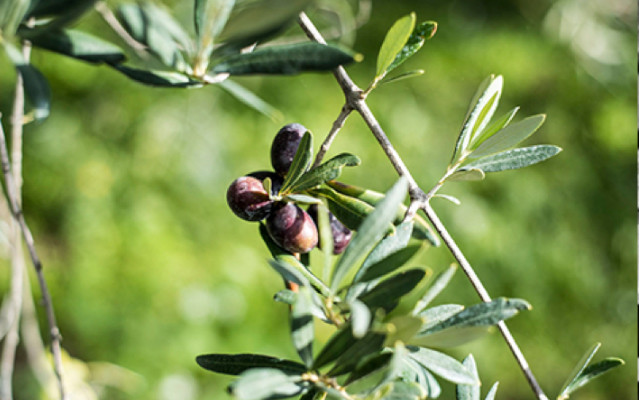
THE'extra virgin olive oil it is one of the products that best express the value of Made in Italy agri-food. Italy can count on three large olive-growing regions in the South - Puglia, Calabria and Sicily - and on the second largest collection of olive germplasm in the world, on a control system that the European Court of Auditors indicates as a reference and on an oil industry capable of selecting and assembling oils of different origins into blends recognizable on markets all over the world.
This guide reconstructs the supply chain as a whole: production and market, volumes and characteristics of the producing regions, the role of the Italian master blend, product classification, sensorial analysis, European Union rules on labeling and official controls, cultivars and designations of origin, organic, nutritional profile. Finally, a practical guide to purchasing and storing, aimed at supply chain operators, international buyers and attentive consumers.
The strategic value of extra virgin olive oil in Made in Italy
Italian olive growing has approximately 620K farms, over 1.1 million hectares and 4,240 active mills (ISMEA, 2025a). It is a territorial stronghold in the hilly and inland areas of Central-South Italy, an identity element of the landscape and a source of income for thousands of rural communities.
On the economic level, the supply chain generated in 2024 a turnover of 5.8 billion euros (ISMEA, 2025b). Italy is at the same time a major producer, major consumer, importer of raw materials and among the world's largest exporters of olive oil, with 44,000 tonnes of olive oil. export for a value of 3.09 billion in 2024 (ISMEA, 2025a). This dual nature of Oil-producing country and of industrial hub is the key to reading the market data, regulations and commercial choices of the sector.
The supply balance shows it clearly. On average for the 2020/2021-2023/2024 campaigns, total availability reached 838,000 tonnes: national production covered 35% (293,000 tonnes), imports 62% (522,000 tonnes), while exports absorbed 352,000 tonnes and consumption 478,000, two thirds domestic and one third away from home (ISMEA, 2025a). According to Assitol, the Italian association of the oil industry, the agricultural production national production covers approximately 30% of a requirement overall industry, between domestic and foreign markets, of approximately one million tonnes (ASSITOL, 2025).
Production and market, Italy as an oil hub in the Mediterranean
The 2025/2026 oil campaign
Italian production varies greatly from one year to the next, due to the effect of climate trends and alternate bearing typical of the olive tree. After a 2024/2025 campaign of approximately 248,000 tonnes, the 2025/2026 campaign marked a sharp recovery: ISMEA estimates 325 kt, +31% on the previous year (Il Sole 24 Ore, 2026). The processing of data from the electronic registers of the National Agricultural Information System (SIAN) in turn indicates volumes close to 300,000 tonnes (BMTI, 2026). The difference between the two quantities reflects different detection times and different estimation methods.
The growth was concentrated in the South. Assitol had predicted an increase of at least a third in the South, compared to drops of up to 10% in some areas of the Centre, such as Tuscany, and a North in difficulty due to bad summer weather (ASSITOL, 2025). However, the production capacity does not coincide with the ability to select, package and position the oil on international markets, which is concentrated in approximately 200 oil mills (ISMEA, 2025a).
Consumption, imports and exports
Domestic demand steadily exceeds national production. In 2024, apparent consumption was 440,804 tonnes, equal to 7.5 liters per capita, with imports of 446,000 tonnes and exports of 344,000 (ISMEA, 2025a). According to the National Institute of Statistics (Istat), in 2025 the Italian market was supplied with 565 million liters of olive oil imported (Istat, 2026), equal to over half a million tonnes. The supply of raw materials, largely community-based, therefore allows the industry to continuously serve the domestic and international markets.
In the first half of 2026, imports decreased thanks to greater oil availability Italian extra virgin maintained prices originally higher than those of Spain, Greece and Tunisia, and in any case above the levels prior to the 2022 rise (Il Sole 24 Ore, 2026). On the front of export declines were recorded towards the United States and Germany, against growth towards the United Kingdom, Poland, Netherlands and Belgium. The structural framework of Italian olive oil market, with the comparison between yields, mills and surfaces of Italy and Spain, confirms the country's vocation for quality and processing.
The oil regions, volumes and characteristics
Southern Italy, the driving force of Italian olive growing
Apulia, Calabria and Sicily they are the driving force of national olive growing. Together they have 709,126 hectares of olive groves, 62% of the Italian surface area, and 337,150 olive growing companies, 54% of the total (ISMEA, 2025a). On average 2020-2023 they produced approximately three quarters of the Italian oil; in the 2025/2026 campaign the share rose to around 80%, with 151,000 tonnes in Puglia, 43,000 in Calabria and 41,000 in Sicily according to SIAN data processed by the Sol Expo Observatory (CREA, 2026). The three regions also have the largest number of active mills: 720 in Apulia, 663 in Calabria and 560 in Sicily in the 2024/2025 campaign (IRVO, 2026).
| Region | Olive grove surface 2024 (ha) | Average production 2020-2023 (t) | Production 2024 (t) | Production 2025/2026 (t)
|
| Apulia | 347.470 | 149.008 | 111.999 | 151.000 |
| Calabria | 184.682 | 35.384 | 25.684 | 43.000 |
| Sicily | 176.974 | 35.171 | 26.622 | 41.000 |
| Tuscany | 87.520 | 14.759 | 20.581 | N/A |
| Lazio | 82.916 | 13.211 | 16.956 | N/A |
| Campania | 68.169 | 10.594 | 12.190 | N/A |
| Abruzzo | 41.662 | 8.295 | 6.288 | N/A |
| Sardinia | 40.694 | 4.918 | 4.741 | N/A |
| Umbria | 27.191 | 4.657 | 6.349 | N/A |
| Basilicata | 26.587 | 4.374 | 1.438 | N/A |
| Liguria | 19.260 | 2.665 | 4.347 | N/A |
| Marche | 9.533 | 3.005 | 4.320 | N/A |
| Molise | 14.325 | 2.884 | 2.169 | N/A |
| Veneto, Emilia-Romagna, Lombardy, Trentino-Alto Adige | 12.665 | 3.848 | 4.581 | N/A |
| Italy | 1.140.225 | 292.895 | 248.394 | approximately 300,000 |
Sources: ISMEA (2025a) based on AGEA data for surfaces and productions 2020-2024; Sol Expo Observatory based on SIAN data, in CREA (2026), for the 2025/2026 campaign.
Puglia, half of Italian oil
The Apulia it produces on its own about half of the national oil: 149,008 tonnes on average for 2020-2023, on 347,470 hectares and with 161,009 companies, 26% of the Italian ones (ISMEA, 2025a). The production center of gravity is in the provinces of Bari and Barletta-Andria-Trani, land of Coratina, cultivar with high yield and oils rich in polyphenols, with intense fruitiness with decided bitterness and pungency and great longevity. Further north the Peranzana della Capitanata gives balanced and medium fruity oils; in the Bari area and in Salento the Ogliarola offers softer profiles, ideal in blends with Coratina. The region combines centuries-old olive groves and modern high-density plants, which have made harvesting more efficient.
The picture of Puglian extra virgin oils includes five PDOs and PGI Puglia Oil. There Bari Land PDO, articulated in the mentions Castel del Monte, Bitonto and Murgia dei Trulli and delle Grotte, enhances Coratina, Cima di Bitonto and Cima di Mola and is the first Italian oil designation for certified volumes. In Salento the Terra d'Otranto DOP updated in 2025 its specifications to accommodate cultivars resistant to Xylella fastidiosa.
Calabria, the second olive-growing area nationally
The Calabria has 184,682 hectares of olive groves, the second Italian region by area, and 79,965 farms (ISMEA, 2025a). The average production 2020-2023 was 35,384 kt, rising to 43,000 in the 2025/2026 campaign (CREA, 2026). The olive groves are distributed across the Piana di Gioia Tauro, the Sibaritide, the Lametino and the Crotonese, with a varietal heritage autochthonous led by Carolea and Ottobratica, alongside Dolce di Rossano, Grossa di Gerace and Tondina. Calabrian oils mainly have a medium intensity fruitiness, harmonious and versatile in the kitchen. THE'Calabria Oil PGI it covers the entire regional territory with at least 90% native cultivars.
Sicily, biodiversity and growing olive groves
The Sicily it has 176,974 hectares of olive groves, an increase of 10% on the 2020-2023 average, and 96,176 companies, 15.5% of the national total (ISMEA, 2025a). The 2020-2023 average production of 35,171 tonnes rose to 41,000 in the 2025/2026 campaign (CREA, 2026). The island expresses a wide varietal biodiversity: Nocellara del Belice in western Sicily, Biancolilla and Cerasuola between Agrigento and Trapani, Tonda Iblea in the Ragusa area and Nocellara Etnea on the slopes of Etna. Sicilian oils are often distinguished by green fruitiness and vegetal notes. The guide to Sicilian extra virgin oil describes six PDOs and the Sicily PGI, which in 2024 certified approximately 2,100 kt.
Central and Northern Italy, hillside olive groves and niche productions
The Central Italy expresses quality hilly olive growing. There Tuscany has 87,520 hectares and average production of 14,759 kt, rising to 20,581 in 2024; the Lazio 82,916 hectares and average 13,211 kt; followed by Campania (10,594 kt), Abruzzo (8,295) and Umbria (4,657) (ISMEA, 2025a). Frantoio, Leccino, Moraiolo and Pendolino form the basis of Tuscan and Umbrian blends, with herbaceous fruitiness, bitter and peppery notes; in Lazio Itrana, Caninese and Carboncella prevail, in Campania Ravece and Ortice, in Abruzzo Gentile di Chieti and Dritta. The Tuscany PGI it is the first Italian olive oil PGI in terms of export value, with 41 million euros in 2024 (ISMEA and Qualivita Foundation, 2025).
At North the olive tree lives in mild microclimates: Liguria, with 19,260 hectares and the olive Taggiasca with delicate and almond oils; the Garda area between Veneto, Lombardy and Trentino; the hills of Emilia-Romagna, where Olio dei Colli di Bologna PGI was registered in 2026. The quantities are very limited, in the order of a few thousand tonnes per region (ISMEA, 2025a), but the landscape and gastronomic value is high.
Climate and olive fruit fly in central and northern regions
Recent harvests have accentuated the role of the South. In the 2025/2026 campaign the Central-North recorded lower yields due to prolonged heat and attacks by the olive fly (Bactrocera oleae), while Puglia, Calabria and Sicily supported the majority of the volumes (L'Informatore Agrario, 2026). In Tuscany a climate favorable to the parasite, halved the collection compared to the previous year according to Legacoop Toscana (La Nazione, 2025); in Romagna the Italian Farmers Confederation of Emilia-Romagna estimated losses of up to 70% (Il Resto del Carlino, 2025).
The alternation of olive production also makes the different areas of the country complementary. For the 2026/2027 campaign, the first estimates indicate around 260,000 tonnes, with physiological drops in discharge in Puglia, Sicily and Calabria and a recovery in Umbria and Marche (TeatroNaturale, 2026); at the end of October, Tuscany, thanks to the early harvest, had already produced 9,268 tonnes of oil, almost double the same period of the previous year (OlivoNews, 2026).
Traditional, intensive and super-intensive olive cultivation
Italy combines three production models that respond to different agronomic and economic logics.
| Model | Planting density | Strengths | Aspects to manage | Typical areas
|
| Traditional and landscape | approximately 200-280 plants/ha, including centuries-old olive trees | identity and landscape value, biodiversity, complex and long-lasting oils | irregular yields, partial mechanisation, higher costs | hills of the Centre-South, historic areas of PDOs |
| Intensive | approximately 330-560 plants/ha | balance between quality and yield, harvest largely mechanized | agronomic management attentive to water stress and phytopathies | Puglia, Calabria, Sicily, Tuscan plains |
| Super-intensive | up to 1,500-1,600 plants/ha, as a wall | rapid entry into production, integral mechanical harvest, contained unit costs | high water and nutritional requirement, shorter useful life | suitable areas with water availability |
The choice of the model impacts on organoleptic profile and on economic sustainability:
- the traditional olive groves often offer more complex oils. In the Peranzana del Dauno, for example, researchers have demonstrated how oils from centuries-old trees have a distinctive profile of fatty acids and polyphenols compared to that of young plants (Angilè et al., 2026);
- the modern plants on the other hand, if managed with technical care, they offer constant volumes and good quality oils at competitive costs.
Xylella fastidiosa and olive regeneration
The emergency Xylella annoying subsp. pauca affected large portions of Salento olive growing. Regeneration proceeds with the replanting of resistant or tolerant cultivars: Leccino, FS-17 (Favolosa), Lecciana and Leccio del Corno, now also admitted in the Terra d'Otranto PDO specification alongside Ogliarola salentina and Cellina di Nardò. Public measures dedicated to the fight against the bacterium have 30 million euros (ISMEA, 2025b), while the National olive plan 2026-2030, adopted by decree of 13 July 2026, aims to renew the plants and increase national production (Il Sole 24 Ore, 2026).
Cultivars and designations of origin
Italian varietal heritage
Italy holds an extraordinarily rich olive growing heritage. CREA, Council for agricultural research and analysis of the agricultural economy, lists 737 registered varieties (CREA, 2026). His collection of germplasm at Mirto Crosia and Rende, in Calabria, recognized by the IOC in 2023, preserves 600 varieties and it is the second national collection in the world after the Spanish one (COI, 2023). Each cultivar carries with it a phenolic and aromatic profile distinct, and therefore a different attitude to the longevity of the oil, resistance to stress and gastronomic pairings. This biodiversity is the raw material of both monovarietal oils and regional and national blends.
Designations, a high-value niche
THE'Italy counts 51 Geographical Indications for extra virgin olive oil, 42 PDO and 9 PGI, after the registration of Olio dei Colli di Bologna PGI in September 2026 (e.g. EU regulation 2026/2078). Their impact on volumes is also not significant, between 3% and 5% of national production in the 2021-2024 campaigns (ISMEA, 2025a).
In 2024, certified production reached 16.19 kt (+31.1%), for a production value of 194 million euros and exports of 102 million (ISMEA and Fondazione Qualivita, 2025).
PDO and PGI are therefore a tool for differentiation and territorial valorisation, alongside the large volume of 100% Italian extra virgin oils and blends, which form the backbone of the market.
Italian master blend, industrial expertise recognized worldwide
Selection and blending of oils
The master blend it is the expertise with which the Italian oil industry selects, tastes, analyzes and assembles extra virgin oils from different cultivars, territories and countries to obtain products with a constant profile, campaign after campaign. Oil is a product of the first agricultural transformation that changes every year with the climate, the load of the trees and the harvest time. The blend allows us to neutralize this variability and offer the consumer, in Italy and abroad, a recognizable and reliable taste.
The work of the blend master is based on professional tasting, chemical-physical analyzes of each batch and on traceability batch documentation. Oils from Italian olives are mixed, depending on the product lines, with extra virgin olive oils from other European Union countries (in particular Spain, Greece and Portugal) and from third countries such as Tunisia, which in the period October-November 2025 covered 76% of the Union's imports from third countries (European Commission, 2026). This integration allows the industry to guarantee volumes, continuity of supply and a range of different price levels and quality, always within the legal requirements of the extra virgin category.
Italian blends have their own identity. The balance between fruity, bitter and spicy is calibrated to respond to the Italian taste and the uses of extra virgin olive oil in Mediterranean cuisine: from the raw dressing of salads, legumes and Bread, to cooking sauces and vegetables, up to frying, preserves in oil and baked products. It is this ability to interpret gastronomic uses, even more than the origin of the raw material, that has built the reputation of the great Italian brands on export markets.
Origin on the label and blending rules
Transparency on origin is guaranteed by European standards. For extra virgin and virgin oils it is mandatory the indication on the label of the place of harvest of the olives and of extraction of the oil; for blends, the words indicating oils originating in the European Union, not originating in the Union or both origins are used (EU regulation 2022/2104). The wording '100% Italian' identifies oils obtained from olives harvested and pressed in Italy.
According to EU regulations, the blends between extra virgin and virgin oils – even of different cultivars, territories and countries – they maintain the extra virgin category if the final product respects all the parameters. The European Court of Auditors has recommended that the Commission clarify, by 2026, the rules on mixing virgin oils of different vintages or categories (European Court of Auditors, 2026). THE'Italy anticipated the European Commission with the circular 16 July 2026 of the Ministry of Agriculture, Food Sovereignty and Forestry (MASAF), where it is indicated that the oil obtained by mixing extra virgin and virgin must always be classified and labeled as virgin olive oil (MASAF circular 16.7.2026, n. 347821).
A subsequent ministerial note dated 11 August 2026, in response to Federolio and Assitol, then clarified that blends of extra virgin and virgin can instead be labeled as extra virgin if intended for export, bulk or packaged, to EU and non-EU countries, provided they comply with all the parameters of the category (ItaliaOggi, 2026).
Taste profiles by product type
| Type | Origin of olives | Predominant sensory profile | Culinary uses
|
| EU or EU and non-EU blend | European Union countries and possibly third countries | light or medium fruity, balanced, consistent over time | everyday use, cooking, frying, preserves |
| 100% Italian blend | Italian olives from multiple regions and cultivars | medium fruity, herbaceous notes, harmonic bitter and peppery | raw and cooked, regional cuisine |
| PDO and PGI | delimited area according to specifications | defined territorial and varietal identity | typical dishes, targeted pairings |
| Single Cultivar | a single variety | distinctive profile of the cultivar, from delicate to intense | tasting, fine dining |
Commercial categories and chemical-physical parameters
Legal categories of olive oils
European Union law classifies olive oils into binding legal categories (Regulation (EU) 1308/2013, Annex VII, Part VIII). The designation is linked to the extraction process, the results of chemical-physical analyses and – for extra virgin and virgin olive oils – sensory analyses. The comparison between olive oil and extra virgin shows how these definitions have evolved over time.
Table 1: legal categories of olive oils, acidity and sensory requirements (Regulation (EU) 1308/2013, Annex VII, part VIII; Regulation (EU) 2022/2104, Annex I)
| Legal Category | Maximum free acidity (in oleic acid) | Sensory requirements
|
| extra virgin olive oil | ≤ 0.8 g/100 g | median of defects equal to 0, median of fruitiness greater than 0 |
| Virgin olive oil | ≤ 2.0 g/100 g | median of defects greater than 0 and up to 3.5, fruitiness greater than 0 |
| Lampante olive oil | > 2.0 g/100 g | median of defects beyond 3.5, or up to 3.5 with fruitiness equal to 0; not intended for direct consumption, sent for refining |
| Olive oil composed of refined olive oils and virgin olive oils | ≤ 1.0 g/100 g | blend of refined oil and virgin oils |
| Olive pomace oil | ≤ 1.0 g/100 g | blend of refined pomace oil and virgin oils |
The threshold of 0.8% of acidity is the best known limit, but not the only one. An oil with low acidity can be downgraded if the panel detects defects, and compliance requires joint compliance with all parameters (EU regulation 2022/2104, Annex I).
Quality and authenticity parameters
I Quality parameters they measure the state of conservation of the oil and the care of the supply chain. Free acidity increases with olives harvested late, piled up or pressed late; the number of peroxides measures primary oxidation; the absorbances in the ultraviolet K232 and K270 signal primary and secondary oxidation respectively; the organoleptic evaluation completes the picture with legal value.
I Purity parameters instead they serve to verify the authenticity of the oil. The sterol composition allows you to identify any additions of seed oils; the wax content may reveal the presence of pomace oil; ethyl esters of fatty acids indicate fermentation or degradation processes of olives; stigmastadienes report refining treatments.
The panel test and the legal value of tasting
Method and sensory classification
Virgin olive oil is in all probability the only food in which the tasting has legal value For the purpose of commercial classification. The method is established by the International Olive Council (IOC), today in revision 11 of document COI/T.20/Doc. No 15 (IOC, 2024), adopted in European standards on analytical methods (Regulation (EU) 2022/2105). It is applied by selected, trained and monitored tasting panels, led by a panel leader and recognized by Member States; many laboratories operate with accreditation according to ISO/IEC 17025 standard.
Classification is based on two medians, that of defects and that of fruitiness. Extra virgin olive oil requires the absence of defects and perceptible fruitiness; Virgo admits defects up to 3.5; beyond this threshold the oil is clear. From 2024, when a sample declared extra virgin exceeds the defect limit, Member States must notify it as non-compliance (e.g. EU regulation 2024/2707). The complete picture of sensory analysis and the reference ISO standards clarifies the rigor of this methodology.
Positive attributes and defects
the positive attributes they are fruity, green or ripe, bitter and spicy. Bitter and spicy are not defects: they express the presence of phenolic compounds such as hydroxytyrosol, oleuropein and oleocanthal, which are all the more intense the earlier the harvest and the more timely the milling.
The panel also confirms the optional mentions on the profile, as summarized in the following table:
- The fruitiness is defined as intense with median above 6, medium between 3 and 6, light up to 3;
- an oil is balanced when bitterness and pungency do not exceed fruitiness by more than 2 points,
- it is sweet when the median of bitterness and that of spiciness are both equal to or lower than 2, on the scale from 0 to 10 of the panel test (EU regulation 2022/2104, art. 10, letter 'c', and Annex II).
Table 2: positive attributes and optional mentions on extra virgin olive oils (EU regulation 2022/2104, Annex II)
| Attribute or mention | Meaning | Condition (panel median) |
| fruitiness | set of olfactory sensations, dependent on the variety, typical of oil obtained from healthy and fresh olives, green or ripe | above 0, extra virgin requirement |
| Green fruity | olfactory sensations reminiscent of green fruits | panel assessment |
| Ripe fruity | olfactory sensations reminiscent of ripe fruits | panel assessment |
| Bitter | elementary taste characteristic of oil obtained from green or turning olives | intensity that can be indicated as intense, medium or light |
| Peppery | pungent tactile sensation, typical of early season oils from still-green olives | intensity that can be indicated as intense, medium or light |
| Intense | high intensity of the attribute (fruity, bitter or spicy) | greater than 6.0 |
| Medium | average intensity of the attribute | greater than 3.0 and up to 6.0 |
| Light | slight intensity of the attribute | up to 3.0 |
| balanced | harmony between fruity, bitter and peppery | bitter and peppery do not exceed the fruity by more than 2.0 |
| Sweet | oil with barely perceptible bitter and peppery | bitter and peppery both equal to or less than 2.0 |
I defects main ones (heating, winey, musty, rancid) instead result from poorly stored olives, unwanted fermentations or oxidation.
For millers and bottlers the panel is therefore The legal guardian of the category: the training of internal tasters and rigorous batch management are tools of compliance.
Table 3: organoleptic defects of extra virgin olive oil (COI/T.20/Doc. n. 15/Rev. 11; e.g. EU reg. 2022/2105)
| Defect | Origin |
| Heating/sludge | olives heaped or stored in conditions causing advanced anaerobic fermentation, or oil left in contact with settling sludge |
| Musty-moisture-earthy | olives on which fungi and yeasts have developed due to storage for several days in a humid environment, or harvested with soil or mud and not washed |
| Winey-vinegary, acid-sour | aerobic fermentation of olives or olive paste, with formation of acetic acid, ethyl acetate and ethanol |
| Frost-damaged olives (wet wood) | olives damaged by frost on the tree |
| Rancid | intense oil oxidation process |
| Other defects | cooked or overcooked, hay-wood, rough, lubricants, vegetation water, brine, metallic, esparto, worm, cucumber |
EU rules on marketing, labeling and controls
Mandatory and optional indications on the label
The uniform rules for marketing of olive oils in the single market of the European Union are collected in the Delegated Regulation (EU) 2022/2104 and in the Implementing Regulation (EU) 2022/2105 on compliance controls and on analysis methods.
The specific rules on labelling of olive oils integrate the general ones on information relating to foods provided for by Regulation (EU) no. 1169/11 in the following aspects:
- The legal designation sales information appears in the main visual field and must be integrated with specific wording that identifies the characteristics of each category, as shown in the table below (EU regulation 2022/2104, art. 6.2);
- the label shows the identification alphanumeric of the plant of packaging;
- optional mentionscold-pressed' and 'cold-extracted' are reserved for oils extracted at less than 27 °C, the first with traditional hydraulic presses, the second by percolation or centrifugation;
- the maximum acidity expected at the minimum shelf life can only be indicated together with the maximum values, on the same date, of the peroxide index, wax content and ultraviolet absorption, with characters of the same size and in the same field of vision (EU regulation 2022/2104, art. 10, letter 'd');
- The harvest campaign it can only appear if all the oil comes from that vintage.
Table 4: legal names of olive oils and mandatory wording on the category (EU regulation 2022/2104, art. 1, letter 'b', and art. 6.2)
| legal designation | Mandatory category statement |
| Extra virgin olive oil | 'superior category olive oil obtained directly from olives and solely by mechanical processes' |
| Virgin olive oil | 'olive oil obtained directly from olives and solely by mechanical processes' |
| Olive oil – blend of refined olive oils and virgin olive oils | 'oil containing exclusively olive oils that have undergone a refining process and oils obtained directly from olives' |
| Olive pomace oil | 'oil containing exclusively oils derived from the processing of the product obtained after the extraction of the olive oil and oils obtained directly from the olives' or 'oil containing exclusively oils coming from the treatment of the olive pomace and oils obtained directly from the olives' |
All categories of olive oils intended for consumers – extra virgin, virgin, olive oil blend of refined and virgin oils and olive pomace oil – are sold pre-packaged in containers of maximum capacity of five litres, equipped with a closing system that loses its integrity after the first use and labeled according to European standards (EU regulation 2022/2104, art. 1, letter 'b', and art. 4.1). For restaurants, hospitals, canteens and similar communities, Member States may allow packaging with a higher capacity, also differentiated according to the type of business (EU regulation 2022/2104, art. 4.2).
Supplementary Italian standards
The Italian legislator has introduced some supplementary regulations:
- The harvest campaign is mandatory for extra virgin and virgin oils entirely from Italy sold on the national market (Law 9/2013, art. 7.3);
- in the food service establishments, except for cooking uses, virgin and extra virgin olive oils must be presented in labeled containers and equipped with an anti-refill cap (law 9/2013, art. 7.2).
Regulatory updates 2024-2026
The technical framework is regularly updated to align with the IOC commercial standard. The latest updates concern:
- the revision of the limits of Δ-7-stigmastenol (EU Delegated Regulation 2024/1401);
- from 24 October 2026 extra virgin oils obtained exclusively from Nocellara del Belice or Koroneiki indicate the variety on the label and benefit from a limit of total sterols of at least 800 mg/kg, against the general 1,000 mg/kg (EU Delegated Regulation 2026/2358), with dedicated compliance controls (EU Implementing Regulation 2026/2342). It is a technical recognition of the specificity of a major Sicilian cultivar, which must be extended to Coratina. The International Olive Council (IOC) has indeed already set the same minimum limit of 800 mg/kg of total sterols for extra virgin oils obtained exclusively from Koroneiki, Nocellara del Belice or Coratina, pending further studies on authenticity parameters of single-variety oils (IOC/T.15/NC n. 3/Rev. 22).
Italian system of official controls
The European Court of Auditors examined the control systems of Spain, Italy, Greece and Belgium in the period 2018-2023, judging the European framework to be complete but applied unevenly (European Court of Auditors, 2026). Italy emerges as a reference for the organization of official controls and for traceability. The Central Inspectorate for the protection of quality and the prevention of fraud in agri-food products (ICQRF) works with the Customs Agency, Carabinieri, Guardia di Finanza and Port Authorities.
The movements of oil and olives are recorded in the SIAN electronic register and the traceability goes back to the mills and up to the cadastral parcels. A ministerial decree of October 2026, on which the Regions expressed their agreement, reduces from six to three days the deadlines for registering operations. It also establishes the electronic olive movement document (DAO), which accompanies the movements of olives, bulk oil and packaged oil (MASAF, 2026; ASSITOL, 2026). Since 2021 a working group with ISMEA support updates risk factors every year, and sanctions are imposed in short timeframes. Protection instruments are enriched with State marks with QR codes, already adopted by some denominations, and the prospect of digital product passports.
The penalties in Italy are very severe:
anyone who sells, holds for sale or places on the market oils lacking the prescribed characteristics, or with a denomination different from the one required (e.g. extra virgin oil that is downgraded by panel test as part of official controls) is subject – unless the act constitutes a crime – to the administrative monetary penalty of 400 euros per quintal or fraction of quintal of irregular product. The penalty can be reduced by up to half in cases of minor significance and does not exceed 1,500 euros for the producer who has sold modest quantities of their own oil (law 1407/1960, arts. 5 and 8). In the more serious hypotheses, the crimes of commercial fraud as well as food fraud (penal code, arts. 515 and 517-sexies).
Organic extra virgin olive oil
Areas and supply chain
THE'olive tree is one of the flagship crops of Italian organic. According to the report Organic in figures 2026, occupies 286,000 hectares of organic surface – fourth item by production orientation after permanent meadows, forage crops and cereals – out of a national total of 2.38 million hectares of organic farming, equal to 19.4% of agricultural land (ISMEA and SINAB, 2026).
About one quarter of Italian olive groves – 286,000 hectares out of over 1.1 million (ISMEA, 2025a) – is therefore cultivated with organic, a share higher than 19.4% of the entire national agricultural area and in line with the European objective of 25% of organic agricultural area by 2030. Puglia and Calabria are the regions in which the olive tree prevails among the organic production guidelines.
Organic certification and PDO or PGI integrate well: the first guarantees the cultivation method, the second the link with the territory. An overview dedicated to organic extra virgin olive oil explores the market and product characteristics.
Principles of Regulation (EU) 2018/848 in the olive grove
Regulation (EU) 2018/848 establishes objectives and principles of organic production (EU regulation 2018/848, articles 4, 5 and 6) which translate into concrete practices in olive growing. There biodiversity protection it passes from the exclusion of synthetic pesticides and herbicides, to the advantage of useful entomofauna, pollinators and local varieties; grassing and hedges maintain the ecological connectivity of the landscape.
The soil fertility it is treated with grassing, green manure, additions of organic substance and reduced processing. On the hills these practices prevent erosion, improve water retention and promote the accumulation of carbon in the soil. Finally, the certification system ensures the traceability from the field to the bottle: with the European organic logo the label indicates the place of cultivation of the raw materials, and the wording 'Agricoltura Italia' identifies olives grown in Italy (EU regulation 2018/848, art. 32.2).
From 2026 the new Italian organic mark accompanies the European logo for entirely national supply chain products. The range of environmental certifications completes the picture of guarantees offered to consumers.
Nutritional profile, health claims and culinary uses
The bioactive compounds of extra virgin olive oil
Extra virgin olive oil is mainly composed of oleic acid, the monounsaturated fatty acid that makes it stable and valuable on a nutritional level. Alongside the fat fraction, a minor but decisive component includes:
- i polyphenols (hydroxytyrosol, oleuropein, oleocanthal), responsible for bitterness and pungency and endowed with antioxidant activity;
- i tocopherols, i.e. vitamin E, which protect fatty acids from oxidation.
Extra virgin olive oil also contains squalene, an unsaturated triterpene hydrocarbon of the unsaponifiable fraction, endowed with antioxidant activity and potentially competing in the protection of the lipid matrix from oxidative processes, also used by the cosmetics industry.
EU health claims and qualified health claims FDA
THE'European Union authorizes the health claim for olive oil:
- 'THE polyphenols of olive oil contribute to protection of blood lipids from oxidative stress';
- this indication can only be used for oils containing at least 5 mg of hydroxytyrosol and its derivatives (e.g. oleuropein and tyrosol complex) per 20 g of oil;
- it must also be specified on the label that the beneficial effect is obtained with a daily intake of 20 g (EU regulation 432/2012, Annex).
EFSA, the European Food Safety Authority, however, expressed a negative opinion on the application for authorization of a health claim on olive oil polyphenols and the maintenance of normal HDL cholesterol levels, presented by the University of Bari Aldo Moro (EFSA NDA Panel, 2025). As already observed by the writer in Food Times, the aforementioned opinion applies a more rigorous level of proof than pharmaceutical standards.
In the United States the Food and Drug Administration (FDA) has already allowed since 2018 to use – on the label and advertising of oils with at least 70% oleic acid, olive oil included – a qualified health claim on the reduction of the risk of coronary heart disease, when they replace in the diet sources of fats richer in saturated fatty acids (FDA, 2018).
Stability in cooking and frying
Extra virgin olive oil is a excellent frying oil. The smoke point is not a reliable indicator of heat stability: the acid composition and natural antioxidants matter. In a domestic potato frying test at 175°C, the extra virgin olive oil allowed over 28 hours of use before the 25% limit polar compounds total, compared to the 18-20 hours of peanut and rapeseed oils, with less formation of degradation products (Santos et al., 2019).
The same study observes that the bioactive compounds of the oil decrease in the first hours of frying, while the structure rich in oleic acid continues to guarantee stability.
For restaurateurs and collective catering operators, extra virgin olive oil is therefore one rational technological choice as well as nutritional. Research and market supply of frying oils confirm this trend.
Guide to conscious purchasing and conservation
Legal name. 'Extra virgin olive oil' is the legal category that corresponds to the mandatory term 'superior category olive oil obtained directly from olives and solely by mechanical processes' (EU regulation 2022/2104, art. 6.2, letter 'a'). The name appears in full in the main field of vision, with legible characters.
Origin. The place of olive harvesting and pressing is always indicated. '100% Italian', blends of oils from the European Union and blends of oils from the Union and third countries respond to different taste and price choices, all legitimate and transparent. PDO and PGI guarantee the origin defined by the specification; for organic products the European logo applies with the indication of the place of cultivation.
Harvest campaign and minimum storage period. The vintage indicates the actual age of the oil; the 'best before' date expresses the deadline within which the product maintains its organoleptic characteristics intact, although its consumption at a later date does not compromise its safety. For raw use it is advisable to favor oil from the most recent campaign.
Price and economic sustainability. Harvest, timely milling, steel storage and analysis have non-compressible costs. The price of an Italian extra virgin reflects these costs and varies according to territory, vintage and type.
Packaging and storage. Light and heat accelerate oxidation: dark glass or tin is better, protected from sources of light and heat, among others 12 °C and 20 °C. After opening, the bottle should be kept closed - to avoid contact with air and the association of oil - and consumed within a reasonably short time.
Conclusions
For millers, bottlers and quality managers, the priorities are consistent documentary traceability, physical and documentary separation of batches, training of tasters and collaboration with recognized panels. The quality of extra virgin olive oil is built along the entire supply chain, from the cultivar to the point of sale, and is defended with information, analysis and correct conservation.
Our team of DO supports operators in the strategic planning of compliance in food safety and commercial information, in the field of sustainability as well as supply chains, processes and products, including nutrition & health claims. It also offers support for the development of systems governance corporate and operational procedures.
Dario Dongo
Credit cover: Consorzio Olio PDO Terra di Bari
Frequently asked questions
How much olive oil does Italy produce? In the 2025/2026 campaign ISMEA estimates 325,000 tonnes, +31% on the previous year; calculations on the SIAN registers indicate approximately 300,000 tonnes. For the 2026/2027 campaign, initial estimates indicate around 260,000 tonnes.
Why does Italy import olive oil? Domestic needs and exports exceed national production. In 2025 the Italian market used 565 million liters of imported oil, largely EU, which the industry selects and packages for Italy and abroad.
What does master blend mean? It is the expertise with which the oil industry selects, analyzes and assembles extra virgin oils from different cultivars, territories and countries to obtain a constant taste, suitable for the uses of Italian cuisine and at different price and quality levels.
What requirements must an extra virgin olive oil have? Free acidity not exceeding 0.8 g/100 g, compliance with all chemical parameters of quality and purity, median defects equal to zero and fruitiness perceptible in panel testing.
Which regions produce the most olive oil in Italy? Puglia, Calabria and Sicily. In the 2025/2026 campaign they produced approximately 151,000, 43,000 and 41,000 tonnes respectively, almost 80% of the national total. Followed by Tuscany, Lazio and Campania.
What is the impact of PDO and PGI on Italian olive oil production? The 51 designations (42 PDO and 9 PGI) represent between 3% and 5% of national production, with approximately 16 K tonnes certified in 2024 and a high unit value.
Can extra virgin olive oil be used for frying? Yes. Thanks to oleic acid and natural antioxidants, in domestic frying tests it lasted more than 28 hours before the limit of 25% of polar compounds, more than peanut and rapeseed oils.
How is extra virgin olive oil stored? In dark glass or tin, protected from sources of light and heat, between 12 °C and 20 °C, with the bottle always tightly closed after opening.
References
EU rules on the marketing of olive oils
Commission Delegated Regulation (EU) 2022/2104 of 29 July 2022 supplementing Regulation (EU) No 1308/2013 of the European Parliament and of the Council as regards marketing standards for olive oil, and repealing Commission Regulation (EEC) No 2568/91 and Commission Implementing Regulation (EU) No 29/2012. Consolidated text: 10/06/2024. http://data.europa.eu/eli/reg_del/2022/2104/2024-06-10
Commission Delegated Regulation (EU) 2024/1401 of 7 March 2024 amending Delegated Regulation (EU) 2022/2104 supplementing Regulation (EU) No 1308/2013 of the European Parliament and of the Council as regards marketing standards for olive oil. http://data.europa.eu/eli/reg_del/2024/1401/oj
Commission Delegated Regulation (EU) 2026/2358 of 21 August 2026 amending Delegated Regulation (EU) 2022/2104 supplementing Regulation (EU) No 1308/2013 of the European Parliament and of the Council as regards marketing standards for olive oil. OJ L, 2026/2358, 23.10.2026. http://data.europa.eu/eli/reg_del/2026/2358/oj
Commission Implementing Regulation (EU) 2022/2105 of 29 July 2022 laying down rules on conformity checks of marketing standards for olive oil and methods of analysis of the characteristics of olive oil. Consolidated text: 11/11/2024. http://data.europa.eu/eli/reg_impl/2022/2105/2024-11-11
Commission Implementing Regulation (EU) 2024/2707 amending Implementing Regulation (EU) 2022/2105 laying down rules on conformity checks of marketing standards for olive oil and methods of analysis of the characteristics of olive oil. http://data.europa.eu/eli/reg_impl/2024/2707/oj
Commission Implementing Regulation (EU) 2026/2342 amending Implementing Regulation (EU) 2022/2105 as regards conformity checks of certain monovarietal extra virgin olive oils. OJ L, 2026/2342, 23.10.2026. http://data.europa.eu/eli/reg_impl/2026/2342/oj
Regulation (EU) No 1308/2013 of the European Parliament and of the Council of 17 December 2013 establishing a common organisation of the markets in agricultural products. Consolidated text: 18/08/2026. http://data.europa.eu/eli/reg/2013/1308/2026-08-18
EU rules on geographical indications, organic and health claims
Commission Implementing Regulation (EU) 2026/2078 of 9 September 2026 entering the geographical indication 'Olio dei Colli di Bologna' (PGI) in the Union register of geographical indications. OJ L, 2026/2078, 16.9.2026. http://data.europa.eu/eli/reg_impl/2026/2078/oj
Commission Regulation (EU) No 432/2012 of 16 May 2012 establishing a list of permitted health claims made on foods, other than those referring to the reduction of disease risk and to children's development and health. Consolidated text: 08/20/2025. http://data.europa.eu/eli/reg/2012/432/2025-08-20
Regulation (EU) 2018/848 of the European Parliament and of the Council of 30 May 2018 on organic production and labelling of organic products and repealing Council Regulation (EC) No 834/2007. Consolidated text: 25/03/2025. http://data.europa.eu/eli/reg/2018/848/2025-03-25
Italian regulations
MASAF Circular 16 July 2026, n. 347821, Circular regarding provisions on mixing «extra virgin olive oil» with «virgin olive oil». Official Journal, General Series n. 169 of 23 July 2026. https://www.gazzettaufficiale.it/eli/id/2026/07/23/26A03788/sg
Law 13 November 1960, no. 1407, Rules for the classification and sale of olive oils. Normattiva. Last consolidated version: 19/02/2011. https://www.normattiva.it/uri-res/N2Ls?urn:nir:stato:legge:1960-11-13;1407
Law 14 January 2013, no. 9, Rules on the quality and transparency of the virgin olive oil supply chain. Normattiva. Last consolidated version: 27/12/2023. https://www.normattiva.it/uri-res/N2Ls?urn:nir:stato:legge:2013-01-14;9
Olive oil production and market
ASSISTOL. (2025, October 20). Olive oil: production growing, but the risk of undercost returns. https://www.assitol.it/olive-oil-production-growing-but-below-cost-risk-returns/
ASSISTOL. (2026, October 26). Olive oil: difficult campaign, dialogue and supply chain unity needed. https://www.assitol.it/olive-oil-difficult-campaign-dialogue-and-supply-chain-unity-needed/
BMTI. (2026). Wholesale price index. January 2026. Unioncamere. https://www.unioncamere.gov.it/sites/default/files/articoli/2026-03/nota%20indice%20ingrosso%20gen26.pdf
CREATE. (2026). CREA at SOL EXPO. Press review (SIAN data from the Sol Expo Observatory on the 2025/2026 campaign). https://www.crea.gov.it/documents/20126/0/Il+CREA+a+SOL+EXPO_rassegna+def.pdf/9fafbfb7-110d-ce05-b121-64efd2174ca9
European Commission. (2026, 29 January). Market situation in the olive oil and table olives sectors. EU Olive Oil and Table Olives Market Observatory.
IRVO, Regional Institute of Wine and Oil. (2026). Oil. Sicily, March 2026. https://www.irvos.it/wp-content/uploads/2026/03/Olio-2-marzo-2026.pdf
ISMEA. (2025a). Olive oil. Sector fact sheet, July 2025. https://www.ismeamercati.it/flex/files/1/6/f/D.cff78df6f341746db73f/Scheda_OLIO_agosto_2025.pdf
ISMEA. (2025b). Olive Oil Trends no. 1/2025. https://www.ismeamercati.it/flex/cm/pages/ServeBLOB.php/L/IT/IDPagina/13559
Istat. (2026, 4 September). Agricultural and livestock production. Year 2025. https://www.istat.it/comunicato-stampa/produzioni-agricole-e-zootecniche-anno-2025/
Designations of origin, organic and germplasm
International Olive Council. (2023, 18 December). The IOC announces the recognition of the first Italian olive germplasm collection. https://www.internationaloliveoil.org/the-ioc-announces-the-recognition-of-the-first-italian-olive-germplasm-collection
ISMEA, Qualivita Foundation. (2025). XXIII Ismea-Qualivita Report on Italian agri-food and wine productions PDO, PGI and TSG. https://www.qualivita.it
ISMEA, SINAB. (2026). Organic in figures 2026. https://www.sinab.it
Controls, traceability and health claims
European Court of Auditors. (2026). Special report 01/2026: Control systems for olive oil in the EU. A complete picture, but applied unevenly. https://www.eca.europa.eu/en/publications/sr-2026-01
EFSA NDA Panel (EFSA Panel on Nutrition, Novel Foods and Food Allergens), Turck, D., Bohn, T., Cámara, M., Castenmiller, J., de Henauw, S., Hirsch-Ernst, K.-I., Jos, A., Maciuk, A., Mangelsdorf, I., McNulty, B., Naska, A., Pentieva, K., Thies, F., Craciun, I., Fiolet, T., & Siani, A. (2025). Olive oil polyphenols and the maintenance of normal HDL-cholesterol concentrations: Evaluation of a health claim pursuant to Article 13(5) of Regulation (EC) No 1924/2006. EFSA Journal, 23(5), e9372. https://doi.org/10.2903/j.efsa.2025.9372
Food and Drug Administration. (2018, November 19). FDA Completes Review of Qualified Health Claim Petition for Oleic Acid and the Risk of Coronary Heart Disease. https://www.fda.gov/Food/NewsEvents/ConstituentUpdates/ucm624758.htm
MASAF. (2026, October 9). Olive oil, Lollobrigida: 'The DAO arrives, an important step for the digitalisation of traceability and the protection of the work of our farmers'. https://www.masaf.gov.it/lollobrigida-olio-d-oliva-arriva-il-DAO
Economics and legal press
Il Sole 24 Ore. (2026). Olive oil: Ismea forecasts a strong rebound in production in Italy in 2025-26, reaching 325,000 tonnes (+31 per cent). https://en.ilsole24ore.com/art/ismea-italia-olive-oil-202526-strong-rebound-in-production-to-325000-tonnes-up-31-per-cent-AJj4t7NB
ItaliaOggi. (2026, August 19). Mix the oil? Yes, but only for export. In Europe and even outside. https://www.italiaoggi.it/settori/agroalimentare/miscelare-lolio-si-puo-ma-solo-per-lexport-in-europa-e-pure-fuori-dvcszq06
Agricultural press on the olive campaign
Il Resto del Carlino. (2025). Double scourge among the olive trees. https://www.ilrestodelcarlino.it/cesena/economia/doppio-flagello-tra-gli-ulivi-42c45943
The Agricultural Informant. (2026). Olive oil stocks on the rise. The unknown of prices remains. https://www.informatoreagrario.it/filiere-produttive/olio-oliva-giacenze-2025/
La Nazione. (2025, September 18). Oil, harvest halved in Tuscany. First effects of tariffs: prices up 30% in the USA. Oil harvest halved in Tuscany, the first effects of tariffs, prices up by 30%
OlivoNews. (2026). Oil, yields province by province of those who harvested in October. https://olivonews.it/olio-le-rese-provincia-per-provincia-di-chi-ha-raccolto-a-ottobre/
Natural Theatre. (2026). Olive oil production in Italy decreasing to 260 thousand tons and in the Mediterranean production and commercial geography is changing. https://www.teatronaturale.it/strettamente-tecnico/l-arca-olearia/49406-produzione-d-olio-di-oliva-in-italia-in-calo-a-260-mila-tonnellate-e-nel-mediterraneo-cambia-geografia-produttiva-e-commerciale.htm
Methods and technical standards
Ciancio, R., & Capecci, R. (2023). Practical guide to the labeling of olive oils (3rd ed.). ICQRF. https://www.portale-etichettatura.lab-to.camcom.it/media/ckeditor/2023/06/23/guida_pratica_all_etichettatura_dell_olio_d_oliva_3__edizione.pdf
International Olive Council. (2024). Sensory analysis of olive oil. Method for the organoleptic assessment of virgin olive oil. COI/T.20/Doc. No 15/Rev. 11. https://internationaloliveoil.org/wp-content/uploads/2024/07/III-2.2.COI-T20-Doc.-15-REV-11-2024_EN.pdf
International Olive Council. (2026). Trade standard applying to olive oils and olive pomace oils. COI/T.15/NC No 3/Rev. 22. https://www.internationaloliveoil.org/wp-content/uploads/2026/07/COI-T.15NC-No.-3Rev.-22-_TRADE-STANDARD-REV-22_EN.pdf
Scientific studies on cultivars
Angilè, F., Fazzi, M. C., Girelli, C. R., Migoni, D., & Fanizzi, F. P. (2026). ¹H NMR Metabolic Profile Discrimination of Three Monovarietal Olive Oils from Cultivars of the ‘Dauno’ PDO Including Peranzana Young and Secular Tree Comparisons. Molecules, 31(13), 2248. https://doi.org/10.3390/molecules31132248
Scientific studies on frying
Santos, C. S. P., Molina-García, L., Cruz, R., Cunha, S. C., Fernandes, J. O., & Casal, S. (2019). Impact of potatoes deep-frying on common monounsaturated-rich vegetable oils: A comparative study. Journal of Food Science and Technology, 56(1), 290-301. https://doi.org/10.1007/s13197-018-3489-z

Dario Dongo, lawyer and journalist, PhD in international food law, founder of WIISE (FARE - GIFT – Food Times) and Égalité.


