

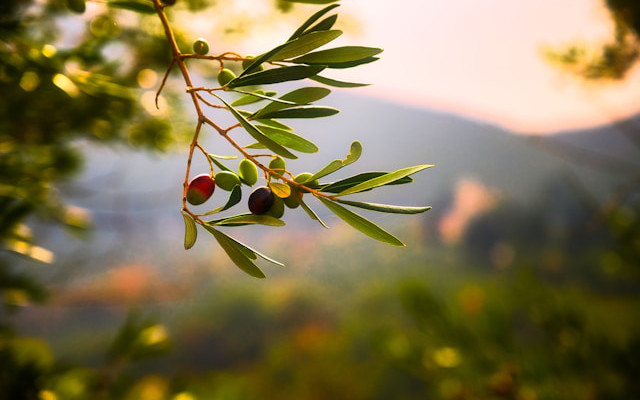
Thehydroxytyrosol (3,4-dihydroxyphenylethanol) represents a crucial frontier where mechanistic biology, international food law, and bioeconomy converge. Naturally abundant in the fruit, leaves, and processing by-products of Olea europaea L., this phenolic alcohol with a catechol structure is one of the key assets of the Mediterranean diet in terms of cardiovascular and metabolic protection.
Beyond traditional observational nutrition, recent scientific interest has extended to clinical studies randomized human studies and advanced applications of circular economy. This comprehensive review examines hydroxytyrosol extraction methods, its fragmented global legal status, its health properties multi-organ and its disruptive potential as a functional food ingredient.
Chemistry and extraction methods of hydroxytyrosol
Hydroxytyrosol can be obtained through three main strategies: recovery from olive by-products, direct extraction from olive matrices and chemical or biotechnological synthesis (Wang et al., 2025b; Wang et al., 2024). The choice is dictated by considerations of circular economy and green chemistry (Bernini et al., 2024), as well as purity goals and intended use (food, supplement or cosmetic).
The olive sector generates very high volumes of vegetation waters (olive mill wastewater, OMW) and pomace, traditionally costly to dispose of but exceptionally rich in phenolic compounds. Their enhancement transforms an environmental liability into a high-value raw material: membrane technology applied to the industrial equipment of mills allows the concentration of hydroxytyrosol from the pomace through a relatively simple and scalable process (Romeu et al., 2024), while OMW extracts can significantly increase the polyphenol content and antioxidant potential of oil preparationsextra virgin olive oil (EVO) (Rodrigues et al., 2026).
The recovered phenolic compounds have also been used to fortify other foods, such as in the enrichment of blood orange juice with compounds derived from OMW (Foti et al., 2022). Such approaches are consistent with the principles of green chemistry and with the valorization of agro-industrial by-products (Bernini et al., 2024).
Thesynthetic hydroxytyrosol meets standard purity requirements, with reproducibility independent of harvest and cultivar; comparative analyses of synthetic routes describe trade-offs among yield, cost, and impurity formation (Wang et al., 2024; Wang et al., 2025b). A recurring technological challenge is thechemical instability of the molecule: hydroxytyrosol oxidizes easily, complicating extraction, preservation, and formulation. This has stimulated research on acyl esters, encapsulation e nanoemulsions to improve its stability and permeability (Feng et al., 2024; Freiría-Gándara et al., 2023; Jordán et al., 2025).
EFSA health claims on olive polyphenols and EU Novel Food status
In the European Union, hydroxytyrosol enjoys a dual regulatory identity: as a natural constituent of olive oil and as novel food authorized, in its chemically synthesized form.
The only authorized health claim linked to the natural molecule is established by the Commission Regulation (EU) No 432/2012, which established the EU list of permitted health claims other than those relating to disease risk reduction and child development:
- the claim ‘olive oil polyphenols contribute to the protection of blood lipids from oxidative stress‘
- can only be used for olive oils containing at least 5 mg of hydroxytyrosol and its derivatives (such as the oleuropein complex and tyrosol) per 20 g of olive oil;
- Thelabel must inform the consumer that the beneficial effect is obtained with a daily intake of 20 g of olive oil.
This indication is based on the favorable opinion of the European Food Safety Authority (EFSA), substantially based on the EUROLIVE intervention study (Wang et al., 2025a). In practice, only oils with a sufficiently high phenolic content — typically high-quality EVOO — can legitimately bear the claim, a constraint that has stimulated analytical work on the reliable quantification of total hydroxytyrosol and tyrosol throughout the product's shelf-life (Gallardo-Fernández et al.,2022).
Separately, thesynthetic hydroxytyrosol has been authorized as an ingredient novel food with the Implementing Decision (EU) 2017/2373, within the scope of the previous ‘novel food’ regime pursuant to Regulation (EC) No 258/97 — now replaced by Regulation (EU) 2015/2283 — following the EFSA scientific opinion of 31 January 2017, which considered the safety of the substance for the proposed uses and use levels. The authorization concerns defined categories — namely fish oils and vegetable oils (excluding olive oil and olive pomace oil) and spreads, with maximum levels respectively of 0.215 g/kg and 0.175g/kg — and exclude From the target population, children under three years of age, pregnant women and breastfeeding women are excluded. These regulatory boundaries are consistent with the broader toxicological literature, which describes olive-derived hydroxytyrosol preparations as non-toxic and safe within the studied ranges (Liamin et al., 2023).
Global food law and regulatory divergences between USA, China and Australia
Outside the European Union, hydroxytyrosol is regulated according to markedly different criteria, reflecting divergent approaches in food additives, novel food and pre-market control. A comparative reading of the rules applied in the USA, China and Australia-New Zealand shows convergence on safety conclusions, but considerable variability in categories allowed, in levels of use and in the very legal nature of the authorization (Wang et al., 2025a).
United States — the GRAS pathway
In the United States, hydroxytyrosol is not subject to prior approval as a food additive, but is marketed through the Generally Recognised As Safe (GRAS) under the Federal Food, Drug, and Cosmetic Act. Several GRAS notices have been submitted to theOffice of Food Additive Safety of the Food and Drug Administration (FDA) and have received ‘no questions’ type responses, including notifications relating to high purity synthetic hydroxytyrosol,or 'no questions', including notifications relating to high purity synthetic hydroxytyrosol, polyphenolic extracts of olive origin (e.g. GRAS Notice GRN 726, for the preparation from olive fruit elaVida) and material obtained by fermentation. GRAS Notice GRN 876, submitted by Nova Mentis, concerns hydroxytyrosol produced by biotechnological fermentation using a recombinant strain of Escherichia coli BL21(DE3) as a biocatalyst that converts tyrosol into hydroxytyrosol (Wang et al., 2025a).
The intended uses notified to the FDA position hydroxytyrosol mainly as a antioxidant, typically at 5–10 mg per serving, in a wide range of products: baked goods (crackers, crostini, cereal bars), beverages (sports and energy drinks, milk-based meal replacements, flavored waters, fruit drinks), yogurt and frozen yogurt, fats and oils, salad dressings and juices. The most recent notifications — such as the 2023 dossier submitted on behalf of a Chinese synthetic biology manufacturer (Hangzhou Viablife) — confirm the ongoing commercial interest in ready-to-drink beverages, fats and oils and juices at comparable levels. The distinctive feature of the US approach is therefore the breadth of allowed categories, combined with a self-determination model led by the notifier rather than a centralized authorization act.
China — approval as new food additive
China followed a centralized path. On August 5, 2024, the National Health Commission (NHC) issued Announcement no. 3 of 2024, which for the first time approved hydroxytyrosol for food use in the country, classifying it as new food additive instead of as a new food raw material (Wang et al., 2025a). The approval was preceded by a public consultation phase managed through the China National Center for Food Safety Risk Assessment (CFSA).
Based on this authorization, hydroxytyrosol is specifically allowed as antioxidant in vegetable oils (food category 02.01.01), to delay theiroxidation, at a maximum level of 0.05 g/kg (50 mg/kg). The Chinese approval therefore has a narrower scope compared to the US GRAS uses but, for the single authorized category, sets a maximum level clearly defined — a regulatory style closer to the EU model by category and limit (although the Chinese limit is 5 times lower) than the broad-notification American system.
Australia and New Zealand — assessment as novel food
In Australia and New Zealand, the issue revolves around Standard 1.5.1 – Novel Foods of theAustralia New Zealand Food Standards Code, administered by Food Standards Australia New Zealand (FSANZ). A ‘non-traditional food’ that requires a pre-market safety assessment is a novel food and can be sold only once FSANZ has amended the Code to include it (with any conditions) in the relevant annex. TheAdvisory Committee on Novel Foods (ACNF) issues non-binding opinions on whether a given ingredient is novel or not; it should be emphasized that an ACNF opinion is a preliminary judgment, not an authorization for market placement.
For olive-derived material, the FSANZ 'Record of Views' indicates that the safety assessment ofolive fruit/leaf extract has not raised safety concerns at use levels up to 20 mg/day of hydroxytyrosol. This favorable opinion applies to the considered olive-derived preparations; isolated synthetic hydroxytyrosol, marketed as a standalone ingredient, would in principle require its own assessment and inclusion in the Code before sale. The Australia-New Zealand framework therefore lies between the two extremes: case-by-case, evidence-based, and linked to the specific source and form of the substance rather than the molecule in the abstract.
The commercial impact of fragmented regulatory frameworks
The comparative analysis of these systems shows their agreement on safety of hydroxytyrosol within defined limits, with differences on three key aspects:
- the legal instrument (an EU novel food decision, a announcement Chinese additive regulation, US GRAS notifications, an inclusion in the Code AUSNZ);
- Thescope of use (broad in the USA, a single category in China, focused on oils and spreads in the EU, source-specific in Australia–New Zealand); and
- i maximum levels (for example, up to 215 mg/kg in fish and vegetable oils and 175 mg/kg in spreads in the EU, versus 50 mg/kg in vegetable oils in China and 5–10 mg per serving in the USA).
For producers — particularly exporters of olive origin and EVOO — this fragmentation means a product compliant in one jurisdiction may require reformulation, dossier resubmission, or relabeling in another, and that the absence of a maximum level harmonized global level remains a practical barrier to trade (Wang et al., 2025a).
Health properties: evidence from peer-reviewed studies
Cardiovascular and cardiometabolic health
The cardiovascular domain is where human evidence is strongest and most directly linked to the EU claim. A meta-analysis of randomized controlled clinical trials has found that oleuropein, hydroxytyrosol and tyrosol exert measurable effects on cardiometabolic risk factors (Frumuzachi et al., 2025), while a separate systematic review of RCTs documented the systemic health effects of supplementation with oleuropein and hydroxytyrosol (Frumuzachi et al., 2024). In healthy and at-risk adults, a double-blind placebo-controlled study on olive extracts examined effects on blood pressure and cardiovascular markers (Lauwers et al., 2026), and a narrative synthesis on olive leaf polyphenols summarized their influence on profiles blood lipids and on cardiovascular risk (van Stratum et al., 2026).
On the mechanistic and clinical level, olive oil enriched with hydroxytyrosol has been associated with an improvement of vascular function in patients with chronic coronary disease (Ikonomidis et al., 2023), and a short-term study on an olive oil extract enriched with hydroxytyrosol reported favorable changes in cardiovascular function (Iakovis et al., 2023). In humans, hydroxytyrosol intake increased the plasma secretion of extracellular vesicles, modulated their microRNA cargo, and reduced LDL oxidation both postprandially and at one week (Del Saz-Lara et al., 2025), consistent with the lipid protection effect recognized by the EU; similarly, dietary supplements rich in hydroxytyrosol have reduced lipid oxidation in human volunteers (Bender et al., 2023a).
A multi-omic and platelet function analysis also distinguished individual responses to hydroxytyrosol treatment in subjects at cardiovascular risk, indicating a dimension of personalized nutrition (Noguera-Navarro et al., 2025a). In elderly patients with previous myocardial infarction, a high tyrosol/hydroxytyrosol EVO enhanced the activity antioxidant (Morvaridzadeh et al., 2025).
Metabolic syndrome, glycemia and liver
Hydroxytyrosol acts as a regulator ofmitochondrial homeostasis, a mechanism involved in metabolic syndrome and related disorders (Xu et al., 2025). In a randomized double-blind placebo-controlled study, supplementation improved antioxidant and anti-inflammatory status in subjects with overweight and prediabetes (Moratilla-Rivera et al., 2025). Wheat bread enriched with hydroxytyrosol in turn improved HbA1c, lipid profile, inflammatory markers and body weight in subjects with overweight/obesity and type 2 diabetes (Binou et al., 2023). Preclinical work indicates that hydroxytyrosol improves fatty liver associated with metabolic dysfunction through modulation of intestinal microbiota (Xiao et al., 2025), improves insulin resistance in offspring through microbiota remodeling (Yi et al., 2025) and acts through multiple pathways relevant toobesity (Guan et al., 2026).
Neuroprotection and cognition
Systematic reviews of clinical and preclinical data describe effects neuroprotective of olive oil and its phenolic compounds, including attenuation of neuroinflammation (Medoro et al., 2026; Omar & Ghani, 2026), while emerging perspectives position hydroxytyrosol as a candidate neuroprotective ingredient (Martínez-Zamora, 2025). Human evidence accumulates: high hydroxytyrosol concentration olive 'pearls' have been associated with improvement of cognitive function in middle-aged and elderly adults (Yoon et al., 2023), and a randomized crossover 'neuroimaging' substudy reported changes in brain connectivity at rest following EVO intake in healthy adults (Gutiérrez-Romero et al., 2026). Mechanistic and translational reviews address relevance for the pathogenic pathways of Alzheimer’s and Parkinson’s (Romero-Márquez et al., 2023).
Gut health, inflammation, and skin, clues on cancer prevention
At the intestinal level, hydroxytyrosol modulates intestinal microbiota and supports digestive health (Garrido-Romero et al., 2025), with preclinical evidence of benefit in colon inflammation and gastrointestinal diseases (Arangia et al., 2023; Tang et al., 2025). Its anti-inflammatory action is conceptualized as interference withinflammaging (Velotti & Bernini, 2023; Micheli et al., 2023).
In dermatology, some studies report protection against skin aging induced by advanced glycation end products and photoaging induced by UV rays, as well as applications in wound healing and even hair growth (Fan et al., 2025; Wang et al., 2026; Xie et al., 2026), while contexts of prolonged recovery and physical exercise have also been examined (Roberts et al., 2023).
In oncology, olive oil polyphenols are examined as a promising avenue for prevention and oncological therapy (Anwar et al., 2025; Melo Ferreira et al., 2025), and an early phase clinical investigation explored hydroxytyrosol for breast cancer prevention in high-risk women (Puri et al., 2025); bioavailability and metabolism remain key determinants for clinical translation (Gervasi & Pojero, 2024).
The bioavailability and metabolism of the molecule — including its conversion into circulating metabolites — are decisive in all these areas (Bender et al., 2023b; Jordán et al., 2025; Noguera-Navarro et al., 2026).
Industrial applications in food fortification with ‘Clean Label’ and natural preservation
The commercial appeal of hydroxytyrosol combines its effectiveness antioxidant, regulatory approval and clean-label credentials. In oils and fats, fortification with hydroxytyrosol minimizes oxidation, enhances antioxidant potential, and increases chemical-physical stability during frying — a significant advantage for oils subjected to thermal stress (Mehany et al., 2025a). Reliable quality control supports such uses: near-infrared spectroscopy combined with multiple regression allows rapid quantification of phenolic compounds, considering cultivar, supplementation, and deep frying (Mehany et al., 2025b).
Beyond oils, hydroxytyrosol acts as natural preservative and functional ingredient. It has been incorporated into nanoemulsions of food grade, where ester derivatives improve efficiency and structure-activity behavior (Freiría-Gándara et al., 2023), and in baked goods such as enriched bread with demonstrated clinical benefit (Binou et al., 2023). In meat technology, hydroxytyrosol and related olive phenols support the formulation of organic fermented cured meats with reduced nitrate/nitrite content, contributing to maintaining microbiological safety, quality, and consumer acceptance (Argemí-Armengol et al., 2026).
The industries cosmetic and nutraceutical exploit its antioxidant activity and anti-aging, with transdermal and encapsulation strategies designed to overcome instability and poor permeability (Feng et al., 2024; Xie et al., 2026). In all these uses, the enhancement of olive by-products offers a sustainable and economically interesting supply route (Bernini et al., 2024; Romeu et al., 2024).
Conclusions and future perspectives
Hydroxytyrosol is positioned at a rare intersection between a solid mechanistic biology, an authorized EU health claim, a defined novel food status, and tangible industrial demand. The evidence base is more mature for protection of blood lipids from oxidative stress and for the broader cardiovascular benefit, where randomized human studies and meta-analyses increasingly support the regulatory position (Frumuzachi et al., 2024; Frumuzachi et al., 2025; Del Saz-Lara et al., 2025). Metabolic, neuroprotective, oncological, and dermatological applications are biologically plausible and supported by a growing literature, though still partly preclinical, requiring clinical studies larger and prolonged, with standardized preparations and endpoints (Omar & Ghani, 2026; Puri et al., 2025).
Three priorities will shape this field:
- firstly, it is necessary to solve bioavailability and interindividual variability to translate the mechanism into a reproducible clinical effect, opening the door to personalized nutrition (Jordán et al., 2025; Noguera-Navarro et al., 2025a);
- secondly, the analytical standardization of total hydroxytyrosol and tyrosol is essential to fairly apply the EU claim and protect consumers (Mehany et al., 2025b);
- thirdly, the circular valorization of vegetation waters and pomace offers a sustainable supply that aligns commercial interest with environmental responsibility (Bernini et al., 2024; Foti et al., 2022; Romeu et al., 2024).
For the Italian and Mediterranean olive sectors, hydroxytyrosol therefore represents a quality marker of EVOO and at the same time a strategic bridge between food culturepublic health and bioeconomy.
Dario Dongo
Credit cover Lucio Patone on Unsplash
Bibliography
Review, chemistry, biosynthesis and safety
Gallardo-Fernández, M., Gonzalez-Ramirez, M., Cerezo, A. B., Troncoso, A. M., & Garcia-Parrilla, M. C. (2022). Hydroxytyrosol in foods: Analysis, food sources, EU dietary intake, and potential uses. Foods, 11(15), 2355. https://doi.org/10.3390/foods11152355
Liamin, M., Lara, M. P., Michelet, O., Rouault, M., Quintela, J. C., & Le Bloch, J. (2023). Olive juice dry extract containing hydroxytyrosol, as a nontoxic and safe substance: Results from pre-clinical studies and review of toxicological studies. Toxicology Reports, 10, 245–260. https://doi.org/10.1016/j.toxrep.2023.02.003
Wang, E., Jiang, Y., & Zhao, C. (2024). Hydroxytyrosol isolation, comparison of synthetic routes and potential biological activities. Food Science & Nutrition, 12(10), 6899–6912. https://doi.org/10.1002/fsn3.4349
Wang, W., Du, L., Wei, Q., Lu, M., Xu, D., & Li, Y. (2025). Synthesis and health effects of phenolic compounds: A focus on tyrosol, hydroxytyrosol, and 3,4-dihydroxyacetophenone. Antioxidants, 14(4), 476. https://doi.org/10.3390/antiox14040476
Wang, Z., Lei, Z., Zhang, H., Liu, Z., Chen, W., Jia, Y., Shi, R., & Wang, C. (2025). From biosynthesis to legislation: A review of hydroxytyrosol’s biological functions and safety. International Journal of Molecular Sciences, 26(10), 4470. https://doi.org/10.3390/ijms26104470
Extraction, valorization of by-products and production
Bernini, R., Campo, M., Cassiani, C., Fochetti, A., Ieri, F., Lombardi, A., Urciuoli, S., Vignolini, P., Villanova, N., & Vita, C. (2024). Polyphenol-rich extracts from agroindustrial waste and byproducts: Results and perspectives according to the green chemistry and circular economy. Journal of Agricultural and Food Chemistry, 72(23), 12871–12895. https://doi.org/10.1021/acs.jafc.4c00945
Foti, P., Occhipinti, P. S., Romeo, F. V., Timpanaro, N., Musumeci, T., Randazzo, C. L., & Caggia, C. (2022). Phenols recovered from olive mill wastewater as natural booster to fortify blood orange juice. Food Chemistry, 393, 133428. https://doi.org/10.1016/j.foodchem.2022.133428
Rodrigues, F., Cuffaro, D., Silva, A. M., Mirabeni, M., Bertini, S., Macchia, M., & Digiacomo, M. (2026). Valorization of olive mill wastewater: Improving the polyphenolic content, antioxidant potential, and cytotoxicity profile of extra virgin olive oil extract. Journal of the Science of Food and Agriculture, 106(2), 1062–1069. https://doi.org/10.1002/jsfa.70232
Romeu, M. F. C., Bernardo, J., Daniel, C. I., Costa, N., Crespo, J. G., Silva Pinto, L., Nunes da Ponte, M., & Nunes, A. V. M. (2024). Hydroxytyrosol recovery from olive pomace: A simple process using olive mill industrial equipment and membrane technology. Journal of Food Science and Technology, 61(1), 161–168. https://doi.org/10.1007/s13197-023-05832-x
Bioavailability, metabolism and stability
Bender, C., Strassmann, S., & Golz, C. (2023). Oral bioavailability and metabolism of hydroxytyrosol from food supplements. Nutrients, 15(2), 325. https://doi.org/10.3390/nu15020325
Feng, M., Li, Y., Jiang, Y., & Zhao, C. (2024). Hydroxytyrosol permeability comparisons and strategies to improve hydroxytyrosol stability in formulations. International Journal of Pharmaceutics, 661, 124434. https://doi.org/10.1016/j.ijpharm.2024.124434
Jordán, M., García-Acosta, N., Espartero, J. L., Goya, L., & Mateos, R. (2025). Hydroxytyrosol bioavailability: Unraveling influencing factors and optimization strategies for dietary supplements. Nutrients, 17(18), 2937. https://doi.org/10.3390/nu17182937
Cardiovascular and cardiometabolic health
Bender, C., Candi, I., & Rogel, E. (2023). Efficacy of hydroxytyrosol-rich food supplements on reducing lipid oxidation in humans. International Journal of Molecular Sciences, 24(6), 5521. https://doi.org/10.3390/ijms24065521
Del Saz-Lara, A., López de Las Hazas, M. C., Tomé-Carneiro, J., Ávila-Gálvez, M. Á., Crespo, M. C., Mazarío-Gárgoles, C., Chapado, L. A., Daimiel, L., Visioli, F., Martín-Santiago, V., Espín, J. C., & Dávalos, A. (2025). Hydroxytyrosol enhances plasma extracellular vesicle secretion, modulates their miRNAs cargo, and reduces LDL oxidation in humans: Postprandial and 1-week effects. Molecular Nutrition & Food Research, 69(15), e70039. https://doi.org/10.1002/mnfr.70039
Frumuzachi, O., Gavrilaș, L. I., Vodnar, D. C., Rohn, S., & Mocan, A. (2024). Systemic health effects of oleuropein and hydroxytyrosol supplementation: A systematic review of randomized controlled trials. Antioxidants, 13(9), 1040. https://doi.org/10.3390/antiox13091040
Frumuzachi, O., Kieserling, H., Rohn, S., & Mocan, A. (2025). The impact of oleuropein, hydroxytyrosol, and tyrosol on cardiometabolic risk factors: A meta-analysis of randomized controlled trials. Critical Reviews in Food Science and Nutrition, 65(30), 6898–6918. https://doi.org/10.1080/10408398.2025.2453090
Iakovis, N., Ikonomidis, I., Andreadou, I., Xanthopoulos, Α., Chamaidi, A., Chrysakis, N., Giamouzis, G., Skoularigis, J., Tseti, I., & Triposkiadis, F. (2023). The short-term effect of olive oil extract enriched with hydroxytyrosol on cardiovascular function. Journal of Medicinal Food, 26(12), 939–942. https://doi.org/10.1089/jmf.2023.0129
Ikonomidis, I., Katogiannis, K., Chania, C., Iakovis, N., Tsoumani, M., Christodoulou, A., Brinia, E., Pavlidis, G., Thymis, J., Tsilivarakis, D., Kountouri, A., Korakas, E., Lambadiari, V., Triposkiadis, F., Skaltsounis, L., Tseti, I., Iliodromitis, E. K., & Andreadou, I. (2023). Association of hydroxytyrosol enriched olive oil with vascular function in chronic coronary disease. European Journal of Clinical Investigation, 53(7), e13983. https://doi.org/10.1111/eci.13983
Lauwers, S., Breynaert, A., Verlaet, A., Fransen, E., Bringmans, T., Roth, L., Tuenter, E., Bosmans, J., & Hermans, N. (2026). Evaluation of the effect of olive extracts on blood pressure and cardiovascular health markers in adults: Findings from a double-blind, placebo-controlled, randomised trial. PLOS ONE, 21(3), e0344278. https://doi.org/10.1371/journal.pone.0344278
Morvaridzadeh, M., Alami, M., Zoubdane, N., Sidibé, H., Berrougui, H., Fülöp, T., Nguyen, M., & Khalil, A. (2025). High-tyrosol/hydroxytyrosol extra virgin olive oil enhances antioxidant activity in elderly post-myocardial infarction patients. Antioxidants, 14(7), 867. https://doi.org/10.3390/antiox14070867
Noguera-Navarro, C., Vinten, K. T., Auñón-Calles, D., Carazo-Díaz, C., Janssens, G. E., & Montoro-García, S. (2025). Multi-omic analysis and platelet function distinguish treatment responses to hydroxytyrosol in cardiovascular risk. Food & Function, 16(14), 5928–5948. https://doi.org/10.1039/d5fo00874c
van Stratum, S. L. M., Stevens, Y., & Plat, J. (2026). Effects of olive leaf polyphenols on blood lipid profiles and cardiovascular risk markers in healthy and at-risk populations: A narrative review. Food & Function, 17(8), 3430–3452. https://doi.org/10.1039/d5fo04678e
Metabolic syndrome, glycemia and liver
Binou, P., Stergiou, A., Kosta, O., Tentolouris, N., & Karathanos, V. T. (2023). Positive contribution of hydroxytyrosol-enriched wheat bread to HbA1c levels, lipid profile, markers of inflammation and body weight in subjects with overweight/obesity and type 2 diabetes mellitus. European Journal of Nutrition, 62(5), 2165–2176. https://doi.org/10.1007/s00394-023-03133-9
Guan, C., Han, R., Liu, L., Liu, J., Fu, S., & Tang, X. (2026). Exploring the multiple mechanisms of hydroxytyrosol in treating obesity. Archives of Biochemistry and Biophysics, 776, 110703. https://doi.org/10.1016/j.abb.2025.110703
Moratilla-Rivera, I., Pérez-Jiménez, J., Ramos, S., Portillo, M. P., Martín, M. Á., & Mateos, R. (2025). Hydroxytyrosol supplementation improves antioxidant and anti-inflammatory status in individuals with overweight and prediabetes: A randomized, double-blind, placebo-controlled parallel trial. Clinical Nutrition, 52, 17–26. https://doi.org/10.1016/j.clnu.2025.07.006
Xiao, Y., Zhang, X., Shao, B., Wu, Z., Li, X., Yi, D., Li, T., Yang, T., Zhu, J., Huang, T., Deng, Y., Qiu, T., Yang, G., Sun, X., & Wang, N. (2025). Hydroxytyrosol improves metabolic dysfunction-associated fatty liver disease dependent on the modulation of gut microbiota. Journal of Agricultural and Food Chemistry, 73(43), 27450–27468. https://doi.org/10.1021/acs.jafc.5c07003
Xu, J., Wei, H., Sun, Z., Li, W., Long, J., Liu, J., Feng, Z., & Cao, K. (2025). Hydroxytyrosol as a mitochondrial homeostasis regulator: Implications in metabolic syndrome and related diseases. Antioxidants, 14(4), 398. https://doi.org/10.3390/antiox14040398
Yi, D., Li, T., Xiao, Y., Li, X., Shao, B., Wu, Z., Hao, Q., Zhang, F., Zhang, X., Yang, G., Zhang, C., Deng, H., Sun, X., & Wang, N. (2025). Hydroxytyrosol improved insulin resistance in male offspring born to high-fat diet dams by remodeling gut microbiota. The Journal of Nutritional Biochemistry, 146, 110041. https://doi.org/10.1016/j.jnutbio.2025.110041
Neuroprotection and cognition
Gutiérrez-Romero, R. M., Donat-Vargas, C., Muñoz-Moreno, E., Hinojosa-Moscoso, A., Galkina, P., Arancibia-Riveros, C., Domínguez-López, I., Hurtado-Barroso, S., Pérez, M., Vallverdú-Queralt, A., Casas, R., Estruch, R., & Lamuela-Raventós, R. M. (2026). Resting-state brain connectivity following extra virgin olive oil intake in healthy adults: A randomised crossover pilot neuroimaging substudy. Food & Function, 17(8), 3477–3483. https://doi.org/10.1039/d5fo05016b
Martínez-Zamora, L. (2025). Novel ingredients: Hydroxytyrosol as a neuroprotective agent; what is new on the horizon? Foods, 14(21), 3624. https://doi.org/10.3390/foods14213624
Medoro, A., Scapagnini, G., Hu, F. B., & Davinelli, S. (2026). Neuroprotective effects of olive oil and its phenolic compounds on neuroinflammation: A systematic review. Nutritional Neuroscience, 29(4), 437–457. https://doi.org/10.1080/1028415X.2025.2572080
Omar, S. H., & Ghani, M. A. (2026). Olive components (biophenols or polyphenols) in neurodegenerative disease models and clinical studies: A systematic review of evidence and translational barriers. Biomedicines, 14(4), 761. https://doi.org/10.3390/biomedicines14040761
Romero-Márquez, J. M., Forbes-Hernández, T. Y., Navarro-Hortal, M. D., Quirantes-Piné, R., Grosso, G., Giampieri, F., Lipari, V., Sánchez-González, C., Battino, M., & Quiles, J. L. (2023). Molecular mechanisms of the protective effects of olive leaf polyphenols against Alzheimer’s disease. International Journal of Molecular Sciences, 24(5), 4353. https://doi.org/10.3390/ijms24054353
Yoon, J., Sasaki, K., Nishimura, I., Hashimoto, H., Okura, T., & Isoda, H. (2023). Effects of desert olive tree pearls containing high hydroxytyrosol concentrations on the cognitive functions of middle-aged and older adults. Nutrients, 15(14), 3234. https://doi.org/10.3390/nu15143234
Intestinal health and intestinal effects
Arangia, A., Marino, Y., Impellizzeri, D., D’Amico, R., Cuzzocrea, S., & Di Paola, R. (2023). Hydroxytyrosol and its potential uses on intestinal and gastrointestinal disease. International Journal of Molecular Sciences, 24(4), 3111. https://doi.org/10.3390/ijms24043111
Garrido-Romero, M., Díez-Municio, M., & Moreno, F. J. (2025). Exploring the impact of olive-derived bioactive components on gut microbiota: Implications for digestive health. Foods, 14(14), 2413. https://doi.org/10.3390/foods14142413
Tang, J., Zhang, M., Wang J., Zhang, H., Wang, Z., Lei, Z., Wang, C., & Chen, W. (2025). Hydroxytyrosol ameliorates colon inflammation: Mechanistic insights into anti-inflammatory effects, inhibition of the TLR4/NF-κB signaling pathway, gut microbiota modulation, and liver protection. Foods, 14(7), 1270. https://doi.org/10.3390/foods14071270
Tumors
Anwar, M. J., Anwar, M. H., Imran, M., Noman, A. M., Hussain, M., Raza, H., Mohamed, H. M., Mohamed, G. A., Ibrahim, S. R. M., Yehuala, T. F., Alsagaby, S. A., Al Abdulmonem, W., Abdelgawad, M. A., Mostafa, E. M., Ghoneim, M. M., & Selim, S. (2025). Olive oil polyphenols: A promising approach for cancer prevention and therapy. Food Science & Nutrition, 13(9), e70976. https://doi.org/10.1002/fsn3.70976
Gervasi, F., & Pojero, F. (2024). Use of oleuropein and hydroxytyrosol for cancer prevention and treatment: Considerations about how bioavailability and metabolism impact their adoption in clinical routine. Biomedicines, 12(3), 502. https://doi.org/10.3390/biomedicines12030502
Melo Ferreira, D., Oliveira, M. B. P. P., & Alves, R. C. (2025). A comprehensive review of the antitumor activity of olive compounds: The case of olive oil, pomace, and leaf extracts, phenolic alcohols, secoiridoids, and triterpenes. Antioxidants, 14(2), 237. https://doi.org/10.3390/antiox14020237
Noguera-Navarro, C., García, C. J., Auñón, D., Gil-Izquierdo, Á., & Montoro-García, S. (2026). Metabolomic analysis reveals novel ethylated hydroxytyrosol metabolites in colon cancer cells. Food & Function, 17(4), 1817–1826. https://doi.org/10.1039/d5fo04197j
Puri, A., Yin, Z., Granados-Principal, S., Ensor, J., Guzman, L., Rosato, R., Zhao, H., Wong, S., Wang, L., Patel, T., & Chang, J. C. (2025). Hydroxytyrosol, a component of olive oil for breast cancer prevention in women at high risk of cancer. International Journal of Breast Cancer, 2025, 8831168. https://doi.org/10.1155/ijbc/8831168
Anti-inflammatory action, aging, skin and recovery
Fan, R., Ma, Y., Sun, M., Zhang, H., Han, Y., Wang, J., Zhu, W., & Zhang, Z. (2025). Improvement effect and mechanism of hydroxytyrosol on skin aging induced advanced glycation end products. Nutrients, 17(17), 2810. https://doi.org/10.3390/nu17172810
Micheli, L., Bertini, L., Bonato, A., Villanova, N., Caruso, C., Caruso, M., Bernini, R., & Tirone, F. (2023). Role of hydroxytyrosol and oleuropein in the prevention of aging and related disorders: Focus on neurodegeneration, skeletal muscle dysfunction and gut microbiota. Nutrients, 15(7), 1767. https://doi.org/10.3390/nu15071767
Roberts, J. D., Lillis, J. B., Pinto, J. M., Chichger, H., López-Samanes, Á., Coso, J. D., Zacca, R., & Willmott, A. G. B. (2023). The effect of a hydroxytyrosol-rich, olive-derived phytocomplex on aerobic exercise and acute recovery. Nutrients, 15(2), 421. https://doi.org/10.3390/nu15020421
Velotti, F., & Bernini, R. (2023). Hydroxytyrosol interference with inflammaging via modulation of inflammation and autophagy. Nutrients, 15(7), 1774. https://doi.org/10.3390/nu15071774
Wang, E., Wang, Y., Xu, Z., Zhang, Z., Wang, J., Jiang, Y., & Zhao, C. (2026). Hydroxytyrosol improves UV-induced skin photoaging via PI3K-AKT/MAPK/JAK-STAT and NF-κB pathways: Insights from keratinocytes and in vivo validation. Phytotherapy Research. Advance online publication. https://doi.org/10.1002/ptr.70387
Xie, Y., Zeng, K., Yang, P., Zheng, T., Zhao, X., Hu, Z., Li, F., Song, H., Ye, L., Xiong, D., Wang, Z., & Shi, Y. (2026). A natural deep eutectic solvent formulation promotes hair growth by enhancing the transdermal delivery and bioactivity of hydroxytyrosol. Journal of Materials Chemistry B, 14(17), 5443–5459. https://doi.org/10.1039/d5tb02592c
Industrial and food applications
Argemí-Armengol, I., Ripoll, G., Villalba, D., & Álvarez-Rodriguez, J. (2026). Reduced nitrates/nitrites and natural additives in organic fermented dry-cured sausages: Effects on microbiological safety, quality, and consumer acceptance. Journal of Food Science, 91(3), e70985. https://doi.org/10.1111/1750-3841.70985
Freiría-Gándara, J., Martínez-Senra, T., & Bravo-Díaz, C. (2023). Exploring the use of hydroxytyrosol and some of its esters in food-grade nanoemulsions: Establishing connection between structure and efficiency. Antioxidants, 12(11), 2002. https://doi.org/10.3390/antiox12112002
Mehany, T., González-Sáiz, J. M., & Pizarro, C. (2025). Hydroxytyrosol-infused extra virgin olive oil: A key to minimizing oxidation, boosting antioxidant potential, and enhancing physicochemical stability during frying. Antioxidants, 14(3), 368. https://doi.org/10.3390/antiox14030368
Mehany, T., González-Sáiz, J. M., & Pizarro, C. (2025). Quantification of phenolic compounds in olive oils by near-infrared spectroscopy and multiple regression: Effects of cultivar, hydroxytyrosol supplementation, and deep-frying. Antioxidants, 14(6), 672. https://doi.org/10.3390/antiox14060672
Regulations and official sources
European Union
Commission Implementing Decision (EU) 2017/2373 of 14 December 2017 authorizing the placing on the market of hydroxytyrosol as a novel food ingredient pursuant to Regulation (EC) No 258/97 of the European Parliament and of the Council (notified under number C(2017) 8423). http://data.europa.eu/eli/dec_impl/2017/2373/oj
Commission Implementing Regulation (EU) 2017/2470 of 20 December 2017 establishing the Union list of novel foods pursuant to Regulation (EU) 2015/2283 of the European Parliament and of the Council on novel foods. Consolidated text: 16/03/2026 http://data.europa.eu/eli/reg_impl/2017/2470/2026-03-16
Regulation (EU) No 432/2012 of the Commission of 16 May 2012 establishing a list of permitted health claims made on foods, other than those referring to the reduction of disease risk and to children's development and health. Consolidated text: 20/08/2025. http://data.europa.eu/eli/reg/2012/432/2025-08-20
Regulation (EU) 2015/2283 of the European Parliament and of the Council of 25 November 2015 on novel foods, amending Regulation (EU) No 1169/2011 of the European Parliament and of the Council and repealing Regulation (EC) No 258/97 of the European Parliament and of the Council and Commission Regulation (EC) No 1852/2001. Consolidated text: 27/03/2021 http://data.europa.eu/eli/reg/2015/2283/2021-03-27
Regulation (EC) No 1924/2006 of the European Parliament and of the Council of 20 December 2006 on nutrition and health claims made on foods. Consolidated text: 13/12/2014. http://data.europa.eu/eli/reg/2006/1924/2014-12-13
EFSA scientific opinions (regulatory basis)
EFSA Panel on Dietetic Products, Nutrition and Allergies (NDA). (2011). Scientific opinion on the substantiation of health claims related to polyphenols in olive and protection of LDL particles from oxidative damage (ID 1333, 1638, 1639, 1696, 2865), maintenance of normal blood HDL-cholesterol concentrations (ID 1639), maintenance of normal blood pressure (ID 3781) and others, pursuant to Article 13(1) of Regulation (EC) No 1924/2006. EFSA Journal, 9(4), 2033. https://doi.org/10.2903/j.efsa.2011.2033
EFSA Panel on Dietetic Products, Nutrition and Allergies (NDA). (2017). Safety of hydroxytyrosol as a novel food pursuant to Regulation (EC) No 258/97. EFSA Journal, 15(3), e04728. https://doi.org/10.2903/j.efsa.2017.4728
United States
US Food and Drug Administration (FDA). GRAS Notice (GRN) No. 726 — Polyphenol extract from olive (DSM Nutritional Products). Office of Food Additive Safety, Center for Food Safety and Applied Nutrition.
US Food and Drug Administration (FDA). (2019). GRAS Notice (GRN) No. 876 — Hydroxytyrosol (Nova Mentis). Office of Food Additive Safety, Center for Food Safety and Applied Nutrition.
US Food and Drug Administration (FDA). (2023). GRAS Notice (GRN) No. 1138 — Hydroxytyrosol (Hangzhou Viablife Biotech Co., Ltd.). Office of Food Additive Safety, Center for Food Safety and Applied Nutrition.
China
National Health Commission of the People’s Republic of China (NHC). (2024, August 5). Announcement No. 3 of 2024, which approves hydroxytyrosol as a new food additive (antioxidant in vegetable oils, food category 02.01.01; maximum level 0.05 g/kg).
Australia and New Zealand
Food Standards Australia New Zealand (FSANZ). Australia New Zealand Food Standards Code — Standard 1.5.1 (Novel Foods); definitions of ‘non-traditional food’ and ‘novel food’ in Standard 1.1.2.
Food Standards Australia New Zealand (FSANZ). Advisory Committee on Novel Foods (ACNF) — Record of Views(evaluation of the olive leaf/fruit extract; no safety concerns identified at use levels up to 20 mg/day of hydroxytyrosol).

Dario Dongo, lawyer and journalist, PhD in international food law, founder of WIISE (FARE - GIFT – Food Times) and Égalité.


 all'upcycling in economia circolare nei frantoi.)