


Omega-3s are not all the same. Although α-linolenic acid (ALA), eicosapentaenoic acid (EPA), and docosahexaenoic acid (DHA) belong to the same family, their biological effectiveness depends on a complex and often underestimated biochemistry. In this guide, we analyze why the human body struggles to convert plant sources, what the real frontiers of systemic health are, and how the food industry is solving the challenge of molecular stability to offer next-generation fortified supplements and foods.
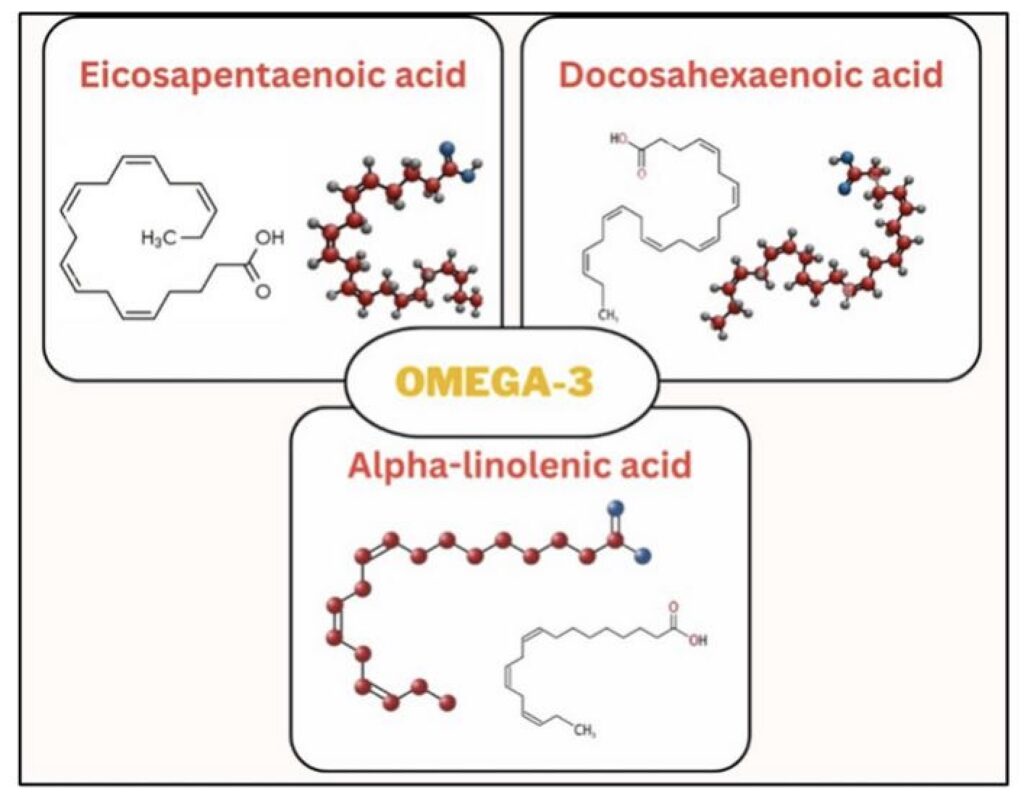
Omega-3s are polyunsaturated fatty acids, a peculiar category of lipids (or fats). Like all fatty acids, they consist of various chains of carbon and hydrogen atoms, terminating with a carboxyl group (COOH). Omega-3 fatty acids are generally long-chain (C > 12) or very long-chain (C ≥ 20), and have more than one double bond (i.e., polyunsaturated), with the unsaturation starting at the third carbon atom counting from the start of the chain. (1)
The main omega-3 fatty acids are the α-linolenic acid (ALA), eicosapentaenoic acid (EPA), and docosahexaenoic acid (DHA). While the former is obtained from plant sources and acts as a precursor for the synthesis of the other two fatty acids, the latter must be obtained through the diet from marine sources. Due to this requirement, they are also called 'essential fatty acids'.
The conversion paradox: why terrestrial plant sources are not enough?
It is fundamental to emphasize theinefficiency of the endogenous conversion process. Although the human organism uses the enzyme delta-6-desaturase to transform the precursor ALA into EPA and DHA, the conversion rate is extremely limited: it is estimated that less than 5-10% of ALA is converted to EPA and less than 1% to DHA. This biochemical limitation makes the direct consumption of preformed sources of EPA and DHA (fish or algal) crucial for achieving the tissue levels necessary for cardiovascular and neurological protection.
Foods and supplements: sources of omega-3
Omega-3 intake can occur through the consumption of foods that naturally contain these fatty acids, as well as through dietary supplements to compensate for systematic deficiencies as well as supplementary needs for these nutrients.
The main foods that contain EPA and DHA are fish (e.g., salmon, anchovies, tuna, sea bass, gilthead bream, microalgae (e.g., Schizochytrium sp.) and macroalgae, as well as marine invertebrates (e.g., krill), from which oils enriched or standardized in EPA and DHA can be extracted, alone or in combination. Among the main sources of ALA, flaxseed oil is one of the most common, along with nuts (i.e., walnuts), soy seeds, and chia.
Several food products can contain omega-3 following direct inclusion as an ingredient (e.g., microalgae, nuts, oil), or in microencapsulated form (generally oil added to milk or yogurt). In addition to meeting the requirements for the general population, omega-3 can be used in foods for specific groups targeted at particular consumer categories (e.g., infants, babies, subjects affected by a specific disease, disorder or diagnosed pathological condition or prolonged malnutrition), or asathletes, who according to theInternational Society of Sports Nutrition (ISSN) may require higher intake following deficiency due to continuous physical activity. (2)
Industrial frontiers: microencapsulation against lipid oxidation
From an industrial point of view, the enrichment of food products and the formulation of Supplements pose significant technological challenges. The high number of double bonds in omega-3s (see Fig. 1) makes these molecules extremely susceptible to lipid oxidation, which can lead to the formation of free radicals and the development of unpleasant 'off-flavors' (rancid or fishy odors) from a sensory perspective.
To overcome this, the industry is turning to advanced technologies such as microencapsulation and the addition of synergistic antioxidant complexes (e.g., tocopherols and ascorbic acid). Microencapsulation, in particular, acts as a physical barrier against oxygen and light, allowing the inclusion of EPA and DHA in complex matrices such as baked goods or dairy products, without altering their organoleptic properties and ensuring nutrient stability until the end of shelf life.
Beyond the heart: systemic effects on health and inflammation
Publications on the beneficial effects of omega-3s on health have increased in recent years, confirming what was already verified in previous periods and/or identifying new evidence aimed at further promoting the importance of an adequate intake of these fatty acids through foods and dietary supplements. Such uses can be intended for both prevention and treatment of numerous diseases. (3)
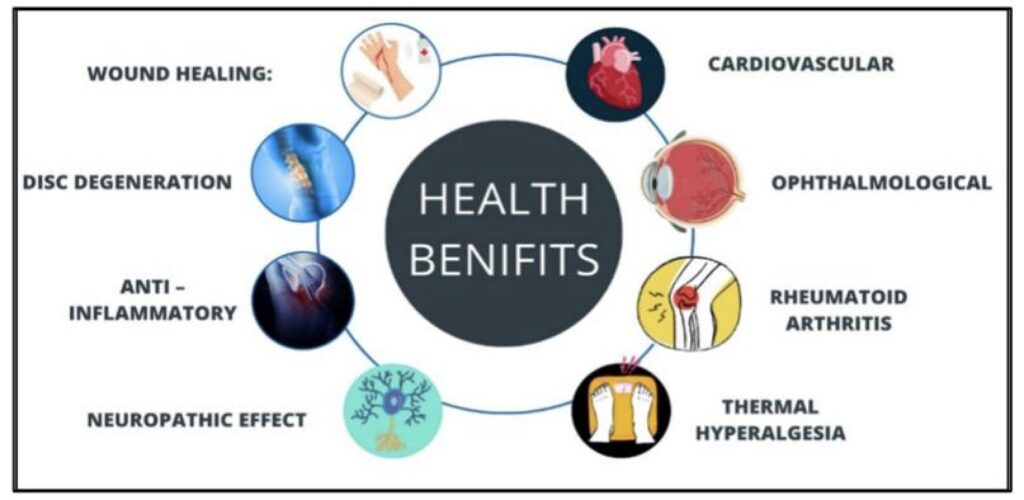
Regular intake of omega-3 presents numerous scientific findings – although the mechanisms still need to be fully elucidated, and EFSA has not yet been called to assess their relevance for additional ‘health claims’ beyond those already authorized under Regulation (EU) No 432/2012 (4) – on maintaining an optimal health status, affecting biological functions and disease prevention/mitigation. Among the main beneficial effects so far reported in scientific literature are:
- reduction of triglyceridemia, through a combination of induction of gene expression and lipid metabolism;
- prevention of cardiovascular diseases (CVD): numerous intervention studies (e.g., GISSI-P, VITAL, ASCEND, REDUCE-IT) suggest that omega-3 intake promotes the prevention of CVD. The effect depends on baseline dietary intake and the need for supplementation to reach sufficient levels for prevention;
- effects on the brain and central nervous system (CNS): diseases such as Alzheimer's and Parkinson's can be better prevented, as well as depressive symptoms in at-risk subjects. The stimulation of brain development and nervous activities is demonstrated in adults, but also in children who can increase cognitive and visual abilities if they take DHA in early growth stages;
- reduction of inflammations: omega-3s, particularly EPA and DHA, are the basis for the production of eicosanoids and docosanoids, from which oxylipins derive, which have anti-inflammatory action following competition with homologues derived from omega-6 (which instead promote inflammation). Therefore, it is important to balance the omega-6/omega-3 ratio (see next paragraph);
- tumors: the anti-inflammatory action is one of the factors contributing to the reduced risk of malignant neoplasms development, but there are other associated mechanisms such as the induction of apoptosis (programmed cell death) of tumor cells and the induction of reactive oxygen species (ROS) with equivalent action. Omega-3 supplementation appears to support the tolerability of chemotherapy treatments.
The Omega-3/Omega-6 ratio: the balance to extinguish inflammation
Thebalance between omega-3 (ALA) and omega-6 (linoleic acid) is dictated by a true biochemical competition: the two categories of fatty acids compete for the same set of enzymes (desaturases and elongases) to be converted into their biologically active forms.
A excess of omega-6 in the diet, typical of modern ‘plant-based’ eating habits, ‘sequesters’ these enzymes, drastically reducing the already limited capacity of the body to synthesize EPA and DHA.
Maintaining a balanced ratio is therefore not only a dietary recommendation, but a biochemical necessity to ensure that anti-inflammatory metabolic pathways are not saturated by pro-inflammatory precursors.
Regulatory framework: 'nutrition claim' and 'health claim' on labels
Food business operators may voluntarily use nutritional and health claims in labeling, presentation and advertising of food products – including food supplements – in compliance with Nutrition and Health Claims Regulation (EC) No 1924/2006. These conditions also extend to B2B commercial communications with health professionals (e.g. nutritionists, dietitians), if these may influence consumer choices and the purchase of food products following the professional’s advice (5,6).
The nutritional indications must therefore comply with the composition requirements indicated in the Annex of Reg. (EC) No 1924/2006, (7) while only health claims allowed are those expressly authorized at European level and listed in Regulation (EU) No. 432/2012. (4) They must be based on the principles of correctness, transparency and scientific validity.
Thenutritional indication currently authorized for omega-3 is as follows: ‘Source/rich in omega-3 fatty acids’ – the product contains at least 0.3/0.6 g of ALA or 40/80 mg of EPA + DHA per 100 g and 100 kcal. Food products and food supplements meeting these criteria may carry in labeling and advertising, as appropriate, the ‘health claim’ as follows:
- ‘ALA contributes to the maintenance of normal levels of cholesterol in the blood’;
- ‘ALA and linoleic acid (LA) are essential for normal growth and the development of children’;
- ‘EPA and DHA contribute to the normal heart function/to the maintenance of normal levels of triglycerides in the blood/to normal blood pressure’;
- ‘DHA contributes to the maintenance of normal brain function/of visual capacity normal/of normal levels of triglycerides in the blood’;
- ‘DHA contributes to the normal visual development of infants up to 12 months of age/to the normal development of the eyes and fetus of breastfed infants/to the normal brain development of the fetus and infants breastfed’ (EU regulation no. 432/12).
Average intake and ‘safe intake’ levels
A recent study compared the average intake of omega-3 (EPA/DHA) and their precursors in the European population, compared to vegetable oils, taking into account various forms (e.g. foods, food supplements, fortified foods). Researchers observed, in various countries of the European Economic Area, an average ratio of 50:1 in favor of vegetable oils (resulting in an imbalance favoring omega-6 over omega-3). It was also noted that the overall average intake of EPA + DHA is less than 250 mg/day, except for Iceland (EEA country) which exceeds 1,000 mg/day. (8)
The EFSA Panel on Nutrition, Dietetic Products and Allergens (NDA) published an opinion in 2012 to define a tolerable upper intake level (UL), that is the maximum level of total daily intake of a nutrient (e.g. omega-3) from all food sources that is not expected to pose a health risk to humans, for EPA, DHA and docosapentaenoic acid (DPA). In the 2012 conclusions, the panel indicated the impossibility of defining a UL value for any population group, and that it was only possible to define a value of safe level. The following values have been indicated as safe for the general population:
- supplemental intakes of EPA and DHA combined, up to 5 g/day;
- supplemental intake of EPA alone, up to 1.8 g/day;
- supplemental intake of DHA alone up to 1 g/day (9,10).
A review of this opinion was recently published to try to identify the UL value for DHA, following the extension of use of DHA oil from Schizochytrium limacinum (strain FCC-3204) that could determine a intake of DHA greater than 1 g/day. Even in this case, it was not possible to determine the UL value, and therefore the value already established for the general population was confirmed, which applies to DHA alone or with an EPA/DHA ratio < 0.3 added to foods and food supplements (e.g., ethyl esters, triacylglycerols, phospholipids) in any chemical form and from all sources (e.g., fish oil, krill, algae). (11)
Provisional conclusions
Integration with Omega-3 confirms itself as a strategic asset for modern prevention, provided that foods and supplements with high bioavailability of EPA and DHA are chosen. The challenge for the future lies in the industry's ability to preserve the integrity of these fragile molecules through protective technologies, while ensuring a proper balance with Omega-6 fatty acids. A conscious approach to diet and supplementation today represents the most solid strategy to promote health and well-beingneurological at every stage of life.
Dario Dongo and Andrea Adelmo Della Penna
Credit cover: Enervit
Notes
(1) Gutierres et al. (2025) The Role of Omega-3 and Omega-6 Polyunsaturated Fatty Acid Supplementation in Human Health. Foods 14(19):3299, https://doi.org/10.3390/foods14193299
(2) Jäger et al. (2025) International Society of Sports Nutrition Position Stand: Long-Chain Omega-3 Polyunsaturated Fatty Acids. Journal of the International Society of Sports Nutrition 22(1):2441775, https://doi.org/10.1080/15502783.2024.2441775
(3) Patted et al. (2024) Omega-3 fatty acids: a comprehensive scientific review of their sources, functions and health benefits. Future Journal of Pharmaceutical Sciences 10:94, https://doi.org/10.1186/s43094-024-00667-5
(4) Commission Regulation (EU) No 432/2012 of 16 May 2012 establishing a list of permitted health claims made on foods, other than those referring to the reduction of disease risk and to children’s development and health. Consolidated text: 20/08/2025 http://data.europa.eu/eli/reg/2012/432/2025-08-20
(5) Dongo D. (2023, 29 June). Nutrition and health claims, what tolerances on declared values? FT (Food Times). https://www.foodtimes.eu/it/consumatori-e-salute/nutrition-health-claims-tolleranze-valori-dichiarati/
(6) Judgment in case C-19/15 of the Court of Justice of the European Union (CJEU). It defined that a 'commercial communication' specifically refers to a communication carried out in the form of advertising food products, aimed, directly or indirectly, at promoting such products.
(7) Regulation (EC) No 1924/2006 of the European Parliament and of the Council of 20 December 2006 on nutrition and health claims made on foods. Consolidated text: 13/12/2014 http://data.europa.eu/eli/reg/2006/1924/2014-12-13
(8) Hearty et al. (2025) The intake of omega-3 oils and vegetable oils in the European Union. Food Additives & Contaminants: Part A 42(12):1625-1638, https://doi.org/10.1080/19440049.2025.2575458
(9) EFSA NDA Panel (2012) Scientific Opinion on the tolerable upper intake level of eicosapentaenoic acid (EPA), docosahexaenoic acid (DHA) and docosapentaenoic acid (DPA). EFSA Journal 10(7):2815, https://doi.org/10.2903/j.efsa.2012.2815
(10) Safe level of intake: when it is not possible to establish a UL, a safe level of intake represents the maximum level of nutrient intake at which it can reasonably be assumed that there are no adverse effects.
(11) EFSA NDA Panel (2026) Scientific Opinion on the tolerable upper intake level for supplemental docosahexaenoic acid. EFSA Journal 24(1):9858, https://doi.org/10.2903/j.efsa.2026.9858

Dario Dongo, lawyer and journalist, PhD in international food law, founder of WIISE (FARE - GIFT – Food Times) and Égalité.

Graduate in Food Technologies and Biotechnologies, qualified food technologist, follows the research and development area. With particular regard to European research projects (in Horizon 2020, PRIMA) in which the FARE division of WIISE S.r.l. benefit company participates.


