

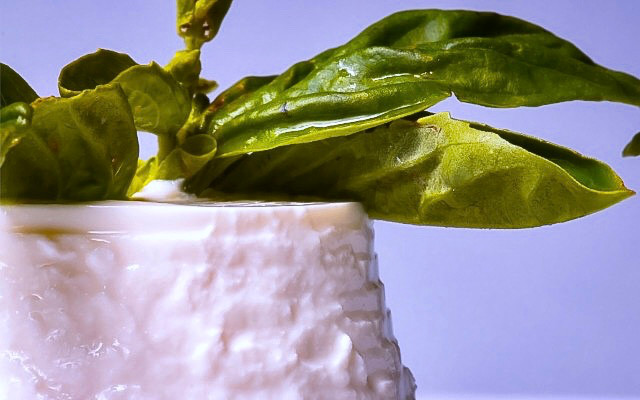
Ricotta By cow, buffalo, sheep e goat are among the most common ricotta varieties in the Italian cheesemaking tradition, each with organoleptic characteristics distinctive but also with unique nutritional profiles that vary according to the milk used and the animals' grazing.
This fresh dairy product, obtained from the whey remaining after cheese processing, stands out for its delicate flavor and the versatility in the kitchen.
Analyzing the nutritional profiles of each of these types is useful for promoting informed consumption choices, so that everyone can choose the ricotta best suited to their needs. Even in cases of food intolerances.
Methodology
The data presented in this analysis come from Food Composition Tables (2019 update) of CREA (Council for Agricultural Research and Economics), as well as from some scientific studies.
The CREA is the reference body in Italy for:
- the collection of experimental nutritional data;
- the analysis of the composition of foods consumed in Italy;
- the dissemination of reliable nutritional information.
Cow ricotta: nutritional profile
Average nutritional values per 100g
Macronutrients:
- Energy value: 146 kcal (7% of daily energy requirement*)
- Proteins: 8.8 g (18% PRI**)
- Total fats: 10.9 g (16% RI***)
- Carbohydrates: 3.5 g (of which lactose: 3.5 g)
- Fiber: 0 g.
Minerals and % of EU Reference Nutrient Values:
- Calcium: 295 mg (37% NRV)
- Phosphorus: 237 mg (34% NRV)
- Potassium: 119 mg (6% NRV)
- Sodium: 78 mg (3% NRV)
- Iron: 0.4 mg (3% NRV)
- Magnesium: 17 mg (5% NRV)
- Zinc: 0.50 mg (5% NRV)
- Selenium: 3.9 µg (7% NRV).
Vitamins and % of EU Reference Nutrient Values:
- Vitamin A: 128 µg (16% NRV)
- Vitamin E: 0.21 mg (2% NRV)
- Vitamin C: 0 mg (0% NRV).
Lipid profile:
- Saturated fatty acids: 68.01%
- Monounsaturated fatty acids: 27.52%
- Polyunsaturated fatty acids: 3.89%
- Polyunsaturated/saturated ratio: 0.06.
Main amino acids (% of proteins):
- Lysine: 9.02%
- Leucine: 11.33%
- Valine: 6.04%
- Isoleucine: 5.30%
- Methionine: 2.31%.
Average energy intake of 2000 kcal daily | *Population Reference Intake (Assunzioni di Riferimento per la Popolazione) | **Reference Intake (Assunzioni di Riferimento) | NRV = Nutrient Reference Values
Buffalo ricotta: a concentrate of nutrients
Average nutritional values per 100g
Macronutrients:
- Energy value: 212 kcal (11% of daily energy requirement) – the most caloric among all ricottas
- Proteins: 10.5 g (21% PRI)
- Total fats: 17.3 g (25% RI) – highest lipid content
- Carbohydrates: 3.7 g.
Minerals and % of EU Reference Nutrient Values:
- Calcium: 340 mg (43% NRV) – 15% higher than cow ricotta
- Phosphorus: 380 mg (54% NRV) – highest among all ricottas, surpassing cow ricotta by 60%
- Other minerals: Data not available (CREA, 2019).*
Vitamins:
- Vitamin C: 0 mg (0% NRV)
- Other vitamins: Data not available (CREA, 2019).*
Distinctive characteristics
- Higher energy and lipid supply compared to other ricottas (Addeo et al., 2004)
- Excellent source of calcium and phosphorus, particularly recommended for bone health support (Salvador et al., 2006)
- Particularly rich nutritional profile due to the unique characteristics of buffalo milk (Salvador et al., 2006)
Buffalo ricotta has limited data in the CREA database (CREA, 2019). Producers should provide nutritional information based on analytical data.
Sheep ricotta: nutritional balance
Average nutritional values per 100g
Macronutrients:
- Energy value: 157 kcal (8% of daily energy requirement)
- Proteins: 9.5 g (19% PRI)
- Total fats: 11.5 g (16% RI)
- Carbohydrates: 4.2 g.
Minerals and % of EU Reference Nutrient Values:
- Calcium: 166 mg (21% NRV)
- Phosphorus: 153 mg (22% NRV)
- Sodium: 85 mg (4% NRV)
- Potassium: 98 mg (5% NRV)
- Iron: 0.3 mg (2% NRV)
- Magnesium: 15 mg (4% NRV)
- Zinc: 0.20 mg (2% NRV)
- Copper: 0.05 mg (5% NRV).
Vitamins and % of EU Reference Nutrient Values:
- Vitamin A: 260 µg (33% NRV) – the highest among all ricottas
- Thiamine (B1): 0.03 mg (3% NRV) – only source among the ricottas analyzed
- Vitamin C: 0 mg (0% NRV).
Lipid profile:
- Saturated fatty acids: 69.57%
- Monounsaturated fatty acids: 23.63%
- Polyunsaturated fatty acids: 6.43% (the highest among the ricottas analyzed)
- Polyunsaturated/saturated ratio: 0.09 – higher than cow ricotta (0.06) (CREA, 2019).
Main amino acids (% of proteins):
- Lysine: 8.57%
- Leucine: 10.75%
- Valine: 6.05%
- Isoleucine: 5.09%
- Methionine: 2.13% (CREA, 2019).
Goat ricotta: the protein champion
Average nutritional values per 100g
Macronutrients:
- Energy value: 182 kcal (9% of daily energy requirement)
- proteins: 11.9 g (24% PRI) – the highest among all ricottas analyzed, 13% higher than cow ricotta
- Total fats: 14.3 g (20% RI)
- Carbohydrates: 1.5 g – the lowest among all ricottas, 57% lower than cow ricotta.
Minerals and % of EU Reference Nutrient Values:
- Calcium: 396 mg (50% NRV) – the highest content among all ricottas, 34% higher than cow ricotta and 16% higher than buffalo ricotta
- Phosphorus: 240 mg (34% NRV)
- Other minerals: Data not available (CREA, 2019).*
Vitamins:
- Vitamin C: traces (
- Other vitamins: Data not available (CREA, 2019).*
Distinctive characteristics
- Better protein profile among ricottas for amino acid completeness and digestibility (Salvador et al., 2006)
- Content of calcium exceptional (50% NRV), particularly bioavailable in goat milk (Salvador et al., 2006)
- Low carbohydrate content, optimal for diets low-carb and glycemic control (CREA, 2019)
- Traditionally produced with milk from Mediterranean pasture goats, source of medium-chain fatty acids benefits (Licitra et al., 2010)
Goat ricotta has limited data in the CREA databases (CREA, 2019). Specialized studies indicate unique nutritional properties of goat milk (Salvador et al., 2006).

Which ricotta to choose: a guide to nutritional needs
For those who want to reduce calories
Cow ricotta – Lower energy intake (146 kcal/100g), lower fat content (10.9g) and more favorable protein-calorie ratio (CREA, 2019)
For those looking for more protein
goat ricotta – The highest protein content (11.9 g/100g, 24% PRI) with high biological quality proteins and a complete amino acid profile (CREA, 2019; Salvador et al., 2006).
For those who need calcium
goat ricotta – 396 mg of calcium per 100g (50% RDI), the highest among all, with superior bioavailability thanks to the characteristics of goat milk (CREA, 2019; Salvador et al., 2006).
For those who are lactose intolerant
Sheep or goat ricotta – Potentially better options compared to cow ricotta which (apart from that produced with lactose-free milk) contains 3.5g of lactose per 100g. The production process reduces lactose by 60-70% compared to the starting milk (Licitra & Locci, 2014).
For those who want better quality fats
Sheep ricotta – Higher percentage of polyunsaturated fats (6.43%) and better polyunsaturated/saturated ratio (0.09), particularly beneficial from pasture with +40% omega-3 (CREA, 2019; Caprioli et al., 2019).
Impact of pasture quality and production on nutritional values
Nutritional variability related to farming
The nutritional quality of ricotta varies significantly depending on:
1. Type of livestock feeding
-
- Pastured animals produce milk richer in:
- omega-3 and beneficial fatty acids (200-300% increase);
- vitamins A and D (30-50% increase);
- natural antioxidants, particularly carotenoids and polyphenols (Carpino et al., 2004; Licitra et al., 2010).
- Pastured animals produce milk richer in:
2. Seasonality and pasture
-
- Spring and summer pasture ricotta presents:
- better lipid profile with higher presence of CLA (conjugated linoleic acid);
- higher content of fat-soluble vitamins (+25-35% compared to winter);
- yellowish color, due to beta-carotene from fresh forage (Piredda et al., 2021).
- Spring and summer pasture ricotta presents:
3. Breeds and genetics
-
- Autochthonous breeds at pasture (e.g. Siciliana, Comisana for sheep), according to some authors (Maniaci et al., 2013), produce ricotta with:
- superior amino acid profile, particularly rich in essential amino acids;
- higher concentration of minerals (+10-20% calcium and phosphorus);
- better protein digestibility (biological value increased by 15%).
- Autochthonous breeds at pasture (e.g. Siciliana, Comisana for sheep), according to some authors (Maniaci et al., 2013), produce ricotta with:
Example: Sicilian pasture ricotta
Ricotta produced with milk from grazing sheep in Sicily shows significant nutritional advantages (Mangione et al., 2025). Differences were estimated as:
- +40% polyunsaturated fatty acids compared to ricotta from animals fed with feed (Caprioli et al., 2019)
- 30% more vitamin A, thanks to beta-carotene present in pasture herbs (Caprioli et al., 2019)
- more complex aromatic profile with higher presence of natural terpenes (Caprioli et al., 2019)
- better omega-6/omega-3 ratio (1:4 vs 1:8 of industrial ricotta) (Caprioli et al., 2019).
Research shows that the extensive Mediterranean pasture gives Sicilian ricotta superior nutritional characteristics (Licitra et al., 2010; Carpino et al., 2004).
Ricotta, nutritional and health benefits
Bone health
Ricotta is an excellent source of nutrients for bones (Maniaci et al., 2013):
- calcium up to 50% NRV in 100g (goat ricotta) with high bioavailability (Salvador et al., 2006);
- phosphorus up to 54% NRV in 100g (buffalo ricotta) for an optimal calcium/phosphorus ratio (CREA, 2019);
- proteins, fundamental for the bone matrix, with a high chemical score (135-140) indicating high protein quality (CREA, 2019).
High biological value proteins
Ricotta provides superior proteins in quality and digestibility (Licitra & Locci, 2014):
- all essential amino acids in optimal proportions;
- high biological value with chemical index 135-140 (CREA, 2019);
- easy digestibility, particularly for goat and sheep ricottas (Salvador et al., 2006).
Essential micronutrients
- Vitamin A up to 33% NRV (sheep ricotta), increased by 30% in pasture products (CREA, 2019; Caprioli et al., 2019)
- calcium: 21-50% NRV per 100g, with greater bioavailability in goat ricottas (CREA, 2019; Salvador et al., 2006)
- phosphorus: 22-54% NRV per 100g (CREA, 2019)
- proteins: 18-24% PRI per 100g with complete amino acid profile (CREA, 2019).
Tips for consumption and storage
How to store ricotta
- in the refrigerator at +4°C to preserve nutritional quality (Licitra & Locci, 2014);
- close the container well to prevent oxidation of vitamins and fats (Salvador et al., 2006);
- consume within 3-5 days after opening to maintain optimal nutritional properties (CREA, 2019).
Ideas for optimal consumption
- as an ingredient in sweet and savory dishes to increase protein intake without exceeding energy value;
- in salads, to take advantage of bioavailable calcium and complete proteins (Salvador et al., 2006);
- as a snack with dried fruit to combine proteins and beneficial pasture-derived fatty acids (Caprioli et al., 2019);
- in baked preparations such as cheesecake, preserving nutritional qualities at moderate temperatures (Licitra & Locci, 2014).
Conclusions: to each their own ricotta
The choice of the ideal ricotta depends on each person's sensory needs. From the nutritional profile point of view, the different ricottas are summarized as follows:
- Cow ricotta. Perfect for those looking for a light product with a good basic nutritional profile (37% NRV calcium, 16% NRV vitamin A);
- buffalo ricotta. Ideal for those who want to maximize mineral intake – particularly calcium (43% NRV) and phosphorus (54% NRV), the highest among all ricottas;
- Sheep ricotta. Excellent for vitamin A (33% NRV, the highest) and quality fats with the best polyunsaturated/saturated ratio (0.09);
- goat ricotta. Excellent for protein (24% PRI, the highest) and calcium (50% VNR, the highest of all) (CREA, 2019).
Tips to maximize nutritional quality
- Favor pasture-raised products when available – they can provide up to 40% more polyunsaturated fatty acids (Caprioli et al., 2019)
- Check seasonality – spring/summer ricotta has superior nutritional profiles with +25-35% fat-soluble vitamins (Piredda et al., 2021)
- Choose local producers who specify the type of animal feeding and use native breeds for better nutritional quality (Licitra et al., 2010)
- Read the label – look for complete information on nutritional values and prefer products with declarations about the origin of the milk.
Ricotta represents a functional food which, especially if pasture-raised, can significantly contribute to the requirement of high biological quality proteins (chemical index 135-140), calcium (up to 50% NRV), phosphorus and fat-soluble vitamins, with scientific evidence demonstrating the nutritional superiority of Mediterranean pasture products (Carpino et al., 2004; Licitra et al., 2010).
Ricotta and diet, questions and answers
Does ricotta make you gain weight?
No. Cow ricotta provides only 7% of the daily energy requirement per 100g. It is rich in proteins (18% PRI) which increase satiety.
Which ricotta has the most protein?
Goat ricotta contains 11.9g of protein per 100g (24% PRI), followed by buffalo ricotta (21% PRI).
How to choose ricotta to maximize nutrients?
- For calcium: goat ricotta (50% NRV)
- For vitamin A: sheep ricotta (33% NRV)
- For proteins: goat ricotta (24% PRI)
- For quality fats: sheep ricotta (6.43% polyunsaturated)
Does pasture quality influence nutritional values?
Yes, significantly. Pasture ricotta can contain up to:
- 40% more polyunsaturated fatty acids
- 30% more vitamin A
- higher intakes of omega-3 fatty acids.
Can I consume ricotta if I am lactose intolerant?
Cow ricotta contains 3.5g of lactose per 100g, aside from lactose-free versions. Other varieties may contain less, considering that ricotta generally has less lactose than the starting milk, but in case of diagnosed lactose intolerance you should always check the label and choose lactose-free products.
Does ricotta have a good protein profile?
Yes, excellent. Ricottas provide complete proteins with high biological value (chemical index 135-140) and all essential amino acids (CREA, 2019). Goat ricotta offers the superior protein profile with 11.9g per 100g (24% PRI), while cow ricotta provides 8.8g per 100g (18% PRI) but with high bioavailability (Licitra & Locci, 2014).
Which ricotta is best for those who practice sports?
The goat ricotta is optimal for athletes thanks to its superior nutritional profile: maximum protein content (11.9g, 24% PRI), high calcium (50% NRV), and low carbohydrate content (1.5g), ideal for muscle recovery and body weight management (Salvador et al., 2006).
How does pasture affect nutritional quality?
Pasture significantly improves the nutritional profile. Sicilian pasture ricotta shows: 40% more polyunsaturated fatty acids, 30% more vitamin A, and a better omega-6/omega-3 ratio (1:4 vs 1:8 industrial) (Caprioli et al., 2019). Studies confirm that pasture animals produce milk with 200-300% more omega-3 and increases of 30-50% in vitamins A and D (Carpino et al., 2004; Piredda et al., 2021).
Dario Dongo
Bibliography and sources
- Addeo, F., Chianese, L., & Salzano, A. (2004). Buffalo cheese. In P. F. Fox, P. L. H. McSweeney, T. M. Cogan, & T. P. Guinee (Eds.), Cheese: Chemistry, physics and microbiology (Vol. 2, pp. 405–424). Academic Press
- Caprioli, G., Nzekoue, F. K., Fiorini, D., Scocco, P., Sagratini, G., & Catorci, A. (2019). The effects of feeding supplementation on the nutritional quality of milk and cheese from sheep grazing on dry pasture. International Journal of Food Sciences and Nutrition, 71(1), 50–62. https://doi.org/10.1080/09637486.2019.1613347
- Carpino, S., Mallia, S., La Terra, S., Melilli, C., Licitra, G., Acree, T. E., Barbano, D. M., & Van Soest, P. J. (2004). Composition and aroma compounds of Ragusano cheese: Native pasture and total mixed rations. Journal of Dairy Science, 87(3), 816-830. https://doi.org/10.3168/jds.S0022-0302(04)73226-9
- CREA. (2019). Food composition tables – 2019 update. Council for Agricultural Research and Analysis of the Agricultural Economy. https://www.alimentinutrizione.it/sezioni/tabelle-nutrizionali
- Licitra, G., & Locci, F. (2017). Dairy products from minor species. In Y. W. Park, G. F. W. Haenlein, & W. L. Wendorff (Eds.), Handbook of milk of non-bovine mammals (2nd ed., pp. 390–425). Wiley Blackwell
- Mangione, G., Musati, M., Caccamo, M., Bertino, A., Mangano, F., Cannone, M. S., Luciano, G., Priolo, A., & Natalello, A. (2025). Ricotta cheese quality as affected by season. Journal of Dairy Science. https://doi.org/10.3168/jds.2025-2644
- Piredda, G., Addeo, F., Manca, G., Pirisi, A., & Chianese, L. (2021). Effect of seasonal pasture quality on nutritional profile of traditional Italian dairy products. Journal of Dairy Research, 88(2), 156-164. https://doi.org/10.1017/S0022029921000650
- Regulation (EC) No 1925/2006 of the European Parliament and of the Council of 20 December 2006 on the addition of vitamins and minerals and of certain other substances to foods. Consolidated version: 17/07/2024 https://tinyurl.com/yhdfppjh
- Regulation (EU) No 1169/2011 of the European Parliament and of the Council of 25 October 2011, on the provision of food information to consumers. Consolidated version: 01/04/2025 https://tinyurl.com/mryep48y
- Salvador, A., Martínez, G., Alvarado, C., & Hahn, M. (2006). Composition of milk from crossbred Canary goats under tropical conditions. Tropical Animal Science, 24(3), 307-320.
- Shingfield, K. J., Bonnet, M., & Scollan, N. D. (2013). Recent developments in altering the fatty acid composition of ruminant-derived foods. Animal, 7(s1), 132–162. https://doi.org/10.1017/S1751731112001681
- Italian Society of Human Nutrition. (2024). LARN: Reference intake levels for nutrients and energy for the Italian population. 5th revision. Biomedia. ISBN 978-88-95159-39-9. https://tinyurl.com/taxtajyv
Methodological note: the reference values indicated by Regulation (EU) 1169/2011 (consolidated version 01/04/2025) and by the SINU (2024) recommendations refer to an average adult. These values vary according to age, sex, and level of physical activity.

Dario Dongo, lawyer and journalist, PhD in international food law, founder of WIISE (FARE - GIFT – Food Times) and Égalité.


