

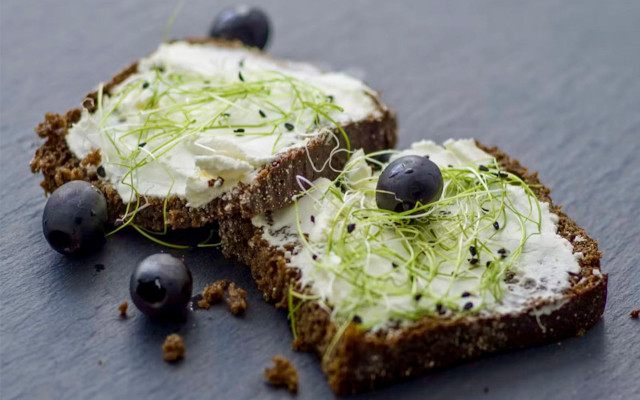
The spreadable fresh cheese represents one of the most dynamic categories in the dairy sector. Born from the industrial evolution of Norman Neufchâtel and spread globally as cream cheese, this acid-coagulated product has progressively won over Italian consumers, alongside traditional soft-curd preparations.
The evolution of consumption, driven by the search for high-protein variants and lactose-free segment, requires an updated analysis of the category. The comparison between the composition recorded by the official CREA tables, European regulatory parameters on nutritional indications, and scientific literature on the dairy matrix allows to outline the food's value.
The fresh cheeses sector ‘Made in Italy’
In 2025 the Italian milk supply chain achieved a total turnover of 31.9 billion euros, of which 28.5 billion was generated by the processing industry. It processed 13.5 million tons of cow’s milk (+2.1% compared to 2024), reducing the share of foreign milk used below the 6% threshold.
The Italian dairy sector is also recording a record export: 680,000 tons of cheese in 2025, with a value of 6.1 billion euros rising to 6.7 billion when considering the entire milk sector, with growth of +4.6% in volume and of +12.8% in value over 2024. And in the first three months of 2026, foreign sales increased by a further +3.8%. TheItaly thus became the first country in the European Union for volumes exported to extra-EU markets, surpassing Germany, and ranks second worldwide place by value and third by volume (Assolatte, assembly June 18, 2026).
On the front of domestic consumption, the first half of 2025 recorded for fresh cheeses an increase of +5.3% in volume and +8.6% in value, in a context of general recovery in domestic food spending (+5.2% over the first half of 2024) and greater purchase frequency (Ismea, Food Consumption Report, first half 2025). Within the segment of lactose-free cheeses, ISMEA data indicate in second place after mozzarella (which covers about 30% of volumes), followed by stracchino and ricotta, which together cover a significant share of the market lactose-free Italian.
Regarding the organic, there is no official statistical disaggregation specific to spreadable cheese, which generally falls under 'dairy products.' Overall, Italian organic agricultural land exceeded 2.5 million hectares in 2024 (+2.4% over 2023, equal to 20.2% of the national UAA), with a positive trend also in the bovine livestock sector (Ismea-CIHEAM-Masaf, Bio in Figures 2025).
On the consumption front, the household spending on organic products rose to 4.4 billion euros in 2025 (+9,2%, a pace almost triple the +3.7% of the entire agri-food sector), bringing the share of organic products in total spending to 4%; dairy products dairy products now account for 24.3% of total organic spending, the highest level in recent years, supported especially by fresh and aged cheeses (Ismea Markets, 2026).
From French origins to industrial development
The history of modern cream cheese has North American origins and digs its roots in a French recipe: the cream cheese is indeed born from the addition of cream to a preparation inspired by Neufchâtel, fresh Norman cheese.
Its industrial evolution, from 1870 to today, is reconstructed in detail by the reference monograph on the subject published in International Dairy Journal (Wolfschoon Pombo, 2021), which retraces the technological and productive stages of the product starting from the second half of the 19th century in the United States.
The ‘Philadelphia’ brand, linked to the cheese fame of that city, has over time become a generic synonym for fresh spreadable cheese in several European countries, including Italy, where the industrial product has been established since the Seventies of the twentieth century (Wolfschoon Pombo, 2021).
In Italy spreadable cheese has entered a market already accustomed to native fresh cheeses with similar characteristics — stracchino and crescenza, mascarpone, robiola — of which only the latter enjoys a Geographical Indication (Robiola di Roccaverano DOP, Murazzano DOP).
Acid coagulation and microgel structure
Spreadable cheese is a product with acid coagulation, belonging to the family of fresh unripened cheeses (Wolfschoon Pombo, 2021). The production process is structured in established phases:
- standardization of milk and cream to achieve the desired fat-to-protein ratio, generally above 30% fat in traditional versions;
- pasteurization of the mixture, to eliminate unwanted flora and ensure microbiological safety and organoleptic stability;
- homogenization, to reduce the size of fat globules improving texture and stability;
- acidification through lactic ferments — typically Lactococcus lactis subsp. cremoris, Lactococcus lactis subsp. lactis e Leuconostoc mesenteroides subsp. cremoris — which convert lactose into lactic acid, lowering the pH to about 4.6. In some processes a small amount of rennet is added to improve curd consistency (Wolfschoon Pombo, 2021);
- coagulation and drainage: at the isoelectric pH of casein a gel forms which is drained to separate the whey, thus obtaining the characteristic creamy consistency;
- salting and packaging in protective atmosphere, without an aging phase, which places the product among fresh cheeses with a relatively short shelf life.
From a structural point of view, spreadable cheese is described in the literature as a microgel composed of fat globules coated with proteins, with pores filled with whey, responsible for the characteristic spreadability (Wolfschoon Pombo, 2021). The content of moisture is generally between 55% and 70%; the fats exceed 30% in traditional versions while they are around 20-23% in reduced content variants (such as Neufchâtel).
Product innovation between lactose-free and protein formulations
A recent industrial trend concerns formulations high protein content, obtained through ultrafiltration and addition of whey or casein protein concentrates, often combined with lactose-free formulations.
These variants respond to the demand of sports consumers or generally those attentive to ensuring an adequate intake of proteins, which is particularly important during growth phases as well as in older age, to prevent and mitigate risks of sarcopenia.
This is a growing segment globally, in a market of cream cheese estimated to be expanding also due to the entrance of new industrial players oriented towards functional foods (Fortune Business Insights, 2025).
Nutritional values
The food composition tables indicated by CREA - Food and Nutrition Research Center (2019) refer to 'spreadable cream cheese', Cheese, spreadable, soft white, full fat the following nutritional values.
| Component | Quantity per 100 g |
| Energy | 1311 kJ / 313 kcal |
| fats | 31.0 g |
| of which saturated fatty acids | not reported in the CREA sheet. Typically 65-70% of total fats (equivalent to 20-22 g) |
| Carbohydrates | traces |
| of which sugars | traces |
| Fiber | 0 g |
| proteins | 8.6 g |
| Salt | 0.83 g (calculated from sodium 330 mg x 2.5) |
Nutritional indications on micronutrients
Applying the reference nutritional values in Annex XIII of Regulation (EU) No. 1169/2011 to the CREA sheet, spreadable fresh cheese can carry the nutrition claim ‘source of phosphorus‘ (130 mg per 100 g, equal to 18.6% of the NRV (700 mg), pursuant to reg. (EC) no. 1924/06.
No other micronutrient detected in the CREA sheet reaches the 15% NRV threshold that allows indicating its presence on the label and advertising of cream cheese. Only calcium (110 mg per 100 g, 13.8% of the NRV) and riboflavin (0.17 mg, 12.1% of the NRV) approach it.
Metabolic impact and role of cheese in the diet
Cardiovascular and metabolic health
Contrary to traditional concern related to saturated fat content, recent scientific evidence suggests neutral or favorable effects of dairy consumption, including full-fat products, on cardiovascular health. The multinational prospective cohort study PURE, conducted in 21 countries, found that total dairy consumption is not associated with an increased risk of cardiovascular disease or mortality, but inversely associated with overall mortality and major cardiovascular diseases (Dehghan et al., 2018).
A meta-analysis of cohort studies published in Scientific Reports analyzed the association between dairy subgroups and risk of atherosclerotic cardiovascular diseases, highlighting that cheese consumption is associated with a reduction in the risk of coronary heart disease, with a relative risk of 0.96 (95% confidence interval 0.93-0.98) for every 20 g/day increase in consumption. A different profile from whole milk, which in the same study was associated with a higher risk (Jakobsen et al., 2021). The authors attribute this difference to the food matrix of cheese, calcium content, and bioactive peptides generated during fermentation.
A systematic review and meta-analysis published in Advances in Nutrition confirmed, in 55 prospective cohort studies, an association between total dairy consumption and favorable outcomes for hypertension and coronary artery disease, with quality of evidence ranging from moderate to low depending on the outcome considered (Chen et al., 2022). A more recent contribution reiterates that dairy products, regardless of fat content, can be part of a healthy diet, provided that the overall intake of saturated fats from ultra-processed foods and meats is limited (Lamarche et al., 2025).
Probiotic effects and intestinal health
Being a product of lactic fermentation, cream cheese carries strains of potentially probiotic lactic bacteria. A systematic review published in 2026 on 51 randomized controlled clinical trials related to Lacticaseibacillus rhamnosus — one of the strains commonly used in lactic ferments — documents its ability to modulate the gut microbiota and improve certain related clinical outcomes, such as symptoms of irritable bowel syndrome (Yang et al., 2026).
Studies conducted specifically on cream cheese have shown that the choice of culture affects its cell viability during storage — maintained at high levels for 35 days with a single culture, not with a mixed one — as well as the profile of volatile compounds and the sensory acceptance of the product (Tologana et al., 2022). The use of protective matrices and encapsulation can in turn improve the survival of probiotics in dairy matrices, also affecting textural properties (Grujóvic et al., 2025).
Muscle protein synthesis
A randomized controlled trial published in The Journal of Nutrition has shown that ingestion of 30 g of protein provided in the form of cheese increases muscle protein synthesis rates both at rest and during post-exercise recovery, with effectiveness comparable to that of a milk protein concentrate in healthy young men (Hermans et al., 2022).
This study — although conducted on a small sample — confirms that full-fat dairy products, including cheese, can represent an effective protein source for maintenance of muscle mass, downsizing the idea that only protein isolates are effective in sports. A datum consistent with the industrial development of high-protein formulations previously described.
Oral health
A systematic review with meta-analysis of randomized clinical trials evaluated the effect of dairy products added with probiotics on oral and salivary parameters. Out of 32 studies included in the qualitative synthesis and 24 in the meta-analysis, the consumption of these products is associated with a reduction of the counts of Streptococcus mutans — bacterium associated with dental caries — while no significant variations emerge in the counts of lactobacilli and yeasts. The authors conclude that probiotic dairy products can represent a support to caries prevention strategies, not a substitute for them (Nadelman et al., 2018).
Gastronomic applications and local substitutions
The versatility of cream cheese makes it a recurring ingredient both in savory and sweet contexts:
- thesimplest pairing is with rice cakes or bread or other baked goods, including regional specialties such as carasau and the piadine. With a side of salad or other vegetables, thus making a complete and balanced meal;
- among the savory uses are creams and fillings for canapés and vol-au-vent, sauces and dressing to pair with smoked salmon, aromatic herbs, and spices, thanks to a homogeneous structure and a neutral flavor that make it a good vehicle for different aromas;
- In pastry it is the main ingredient of cheesecake, a dessert of American origin now also widespread in Italian versions.
In summary
Fresh spreadable cheese is a product of growing economic importance within the Italian dairy sector, which in 2025 set a new export record, surpassing Germany in volumes to non-EU markets. Nutritionally, the profile verified by CREA is that of a food with a predominant lipid and protein component, with only one micronutrient — phosphorus — justifying its qualification as a 'source of' according to European criteria.
On the scientific level, the peer-reviewed literature of the last ten years indicates a neutral or favorable role of dairy products, including cheese, in cardiovascular health, and a potential probiotic and protein role to be further explored in relation to next-generation functional formulations.
For importers, distributors and international buyers looking for quality Italian products, the team of GIFT (Great Italian Food Trade) supports the selection of reliable and certified suppliers.
Dario Dongo
Credit cover Elena Mozhvilo on Unsplash
References
Scientific sources (peer-reviewed)
Chen, Z., Ahmed, M., Ha, V., Jefferson, K., Malik, V., Ribeiro, P. A. B., Zuchinali, P., & Drouin-Chartier, J.-P. (2022). Dairy product consumption and cardiovascular health: A systematic review and meta-analysis of prospective cohort studies. Advances in Nutrition, 13(2), 439-454. https://doi.org/10.1093/advances/nmab118
Dehghan, M., Mente, A., Rangarajan, S., Sheridan, P., Mohan, V., Iqbal, R., et al. (2018). Association of dairy intake with cardiovascular disease and mortality in 21 countries from five continents (PURE): A prospective cohort study. The Lancet, 392(10161), 2288-2297. https://doi.org/10.1016/S0140-6736(18)31812-9
Grujóvic, M. Ž., Semedo-Lemsaddek, T., & Marković, K. G. (2025). Application of probiotics in foods: A comprehensive review of benefits, challenges, and future perspectives. Foods, 14(17), Article 3088. https://doi.org/10.3390/foods14173088
Hermans, W. J. H., Fuchs, C. J., Hendriks, F. K., Houben, L. H. P., Senden, J. M., Verdijk, L. B., & van Loon, L. J. C. (2022). Cheese ingestion increases muscle protein synthesis rates both at rest and during recovery from exercise in healthy, young males: A randomized parallel-group trial. The Journal of Nutrition, 152(4), 1022-1030. https://doi.org/10.1093/jn/nxac007
Jakobsen, M. U., Trolle, E., Outzen, M., Mejborn, H., Grønberg, M. G., Lyndgaard, C. B., Stockmarr, A., Venø, S. K., & Bysted, A. (2021). Intake of dairy products and associations with major atherosclerotic cardiovascular diseases: A systematic review and meta-analysis of cohort studies. Scientific Reports, 11(1), 1303. https://doi.org/10.1038/s41598-020-79708-x
Lamarche, B., Astrup, A., Eckel, R. H., Feeney, E., Givens, I., Krauss, R. M., Legrand, P., Micha, R., Michalski, M.-C., Soedamah-Muthu, S., Sun, Q., & Kok, F. J. (2025). Regular-fat and low-fat dairy foods and cardiovascular diseases: Perspectives for future dietary recommendations. American Journal of Clinical Nutrition, 121(5), 956-964. https://doi.org/10.1016/j.ajcnut.2025.03.009
Nadelman, P., Magno, M. B., Masterson, D., da Cruz, A. G., & Maia, L. C. (2018). Are dairy products containing probiotics beneficial for oral health? A systematic review and meta-analysis. Clinical Oral Investigations, 22(8), 2763-2785. https://doi.org/10.1007/s00784-018-2682-9
Tologana, R. D., Wikandari, R., Rahayu, E. S., Suroto, D. A., & Utami, T. (2022). Correlation between the chemical, microbiological and sensory characteristics of cream cheese using a mixed and single probiotic culture. Journal of Food Science and Technology, 60(1), 181-189. https://doi.org/10.1007/s13197-022-05603-0
Wolfschoon Pombo, A. F. (2021). Cream cheese: Historical, manufacturing, and physico-chemical aspects. International Dairy Journal, 117, Article 104948. https://doi.org/10.1016/j.idairyj.2020.104948
Yang, Y., Sui, J., Liao, W., Wang, S., Pan, D., Sun, G., Gao, P., Xiang, X., & Xia, H. (2026). Clinical evidence on the health benefits and safety of probiotic Lacticaseibacillus rhamnosus: A systematic review. Probiotics and Antimicrobial Proteins, 18(2), 2927-2941. https://doi.org/10.1007/s12602-025-10646-8
Institutional and market sources
CREA — Research Center for Food and Nutrition. Food composition tables, ‘Spreadable cream cheese’, code 162050. https://www.alimentinutrizione.it/tabelle-nutrizionali/162050
Ismea (2025). Report on family food consumption, first half 2025. https://www.ismeamercati.it/flex/cm/pages/ServeBLOB.php/L/IT/IDPagina/13673
Ismea-CIHEAM-Masaf (2025). Bio in Figures 2025. https://sinab.it/bionovita/bio-in-cifre-2025-il-rapporto-completo/
Ismea Mercati (2026). Organic: in 2025 family purchases soar to 4.4 billion euros. https://www.ismeamercati.it/flex/cm/pages/ServeBLOB.php/L/IT/IDPagina/13861
Regulation (EC) No 1924/2006 of the European Parliament and of the Council of 20 December 2006 on nutrition and health claims made on foods. Consolidated text: 13/12/2014. http://data.europa.eu/eli/reg/2006/1924/2014-12-13
Regulation (EU) No 1169/2011 of the European Parliament and of the Council of 25 October 2011 on the provision of food information to consumers. Consolidated text: 01/04/2025. http://data.europa.eu/eli/reg/2011/1169/2025-04-01
Industry and press sources
Assolatte (2026). Assolatte Assembly: Italy second world power in dairy export in 2025, June 18, 2026. https://informatorezootecnico.edagricole.it/economia-mercati/assemblea-assolatte-italia-seconda-potenza-mondiale-export-caseario-2025/
Fortune Business Insights (2025). Cream cheese market size, share | growth report [2026-2034]. https://www.fortunebusinessinsights.com/cream-cheese-market-115212

Dario Dongo, lawyer and journalist, PhD in international food law, founder of WIISE (FARE - GIFT – Food Times) and Égalité.


