
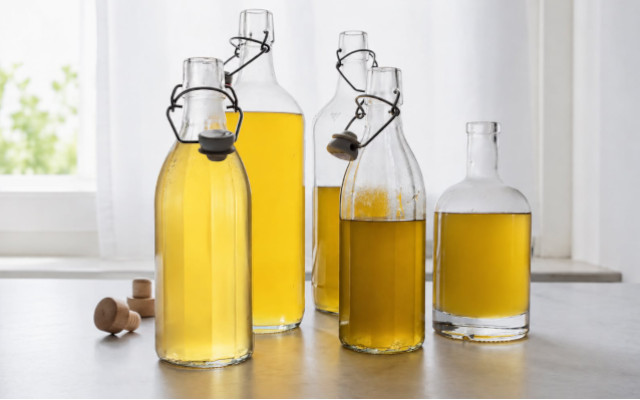
All vegetable oils provide the same energy intake, 899 kcal per 100 g according to the CREA tables. The differences that matter from a nutritional and health point of view, as well as a gastronomic one, relate to various parameters. The Fatty acid composition – which also determines heat resistance – and the Unsaponifiable fraction, that is, that small share of polyphenols, tocopherols, squalene and pigments that only virgin oils retain in full.
The Extra virgin olive oil is an oily juice extracted from the fruit by mechanical means only. The other vegetable oils used in cooking, including professional cooking, in Europe and worldwide, come from oilseeds (sunflower, high-oleic sunflower, rapeseed, sesame), from legume seeds (peanut, soy), from the germ and bran of cereals (maize, rice), from tree nuts (walnut, hazelnut), from the kernel of coconut and of the palm fruit (palm kernel), from the pulp of other fruits (avocado, palm), and they are often extracted with the aid of solvents, then refined.
Below is the comparison between the main edible oils used in Europe and worldwide, based on official CREA and USDA data, European and US rules as well as the most significant scientific studies of the last decade. This in-depth analysis is aimed both at HoReCa operators, retail top management and purchasing departments and attentive consumers, and at managers and heads of research and development in the food industries.
Vegetable oils worldwide
Production and consumption
The global market for vegetable oils is dominated by tropical and seed oils. The United States Department of Agriculture (USDA) estimates world consumption for the 2026/27 season at 237.4 million tonnes, including industrial and energy uses. Palm oil ranks first (78.0 million tonnes), followed by soybean (73.6), rapeseed (37.7) and sunflower (21.8). Further behind are palm kernel oil (8.8), groundnut (6.3), cottonseed (4.5) and coconut (3.6).Olive oil, with 3.1 million tonnes, accounts for about 1.3% of global consumption and remains a high-value product (USDA FAS, 2026).
Preferences by geographical area
In Europe sunflower dominates in Eastern countries, olive oil in the Mediterranean area and rapeseed in the North, with soybean also widely used. In the Mediterranean, virgin and extra virgin olive oil has always been used for frying as well. In Asia soybean oil is extremely widespread, while palm prevails in South-East Asia. In Africa palm is the main oil in sub-Saharan regions and groundnut in West Africa. In the Americas soybean is the most common oil, alongside rapeseed (canola) in Canada and palm in some areas of South America (Abrante-Pascual et al., 2024).
Plant matrices and extraction processes
Fruit pulp, seed and germ
The first distinction concerns the plant tissue from which the oil is extracted:
- olive oil, avocado oil and palm oil come from the fruit pulp, that is from the mesocarp;
- all the other oils considered come instead from the seed or from its parts.
The Codex Alimentarius standard for named vegetable oils precisely describes the origin of each:
- the oil of palm kernel from the kernel of the palm fruit;
- the oil of maize from the germ (the embryo of the caryopsis);
- the oil of Rice from the bran, hazelnut and walnut oils from the kernel (Codex Alimentarius Commission, n.d.).
the oil of coconut is in turn obtained from the kernel, the dried white flesh (copra), which in botany is the endosperm of the seed (Cassiday, 2016).
Mechanical extraction, solvents and refining
European food law reserves the designation of oil virgin to oil obtained from the fruit of the olive tree solely by mechanical means or other physical processes, under conditions that do not alter its composition, with no treatment other than washing, decantation, centrifugation and filtration (Regulation (EU) 1308/13, Annex VII, part VIII).
The extra virgin is the top category among the legal categories of olive oils, defined in detail by the marketing standards (Delegated Regulation (EU) 2022/2104).
The European legislator has so far not established sector-specific rules for virgin oils from sources other than the olive. In the absence of harmonised rules, Spain has recently introduced national legislation on the quality of edible vegetable oils other than olive oil and olive-pomace oil, which:
- defines ‘pressed oil‘ as that ‘obtained solely by mechanical means, through the pressing of oilseeds or oleaginous fruits, which may be purified exclusively by washing, settling, filtration or centrifugation’;
- requires the indication ‘refined’, alongside the sales denomination, for all oils subjected to refining;
- instead reserves, in a questionable manner, the use of the terms ‘virgin’ or ‘extra virgin’ to olive oils alone (Real Decreto 351/2025; Dongo, 2025).
In the European Union – outside Spain, in compliance with the principle of free movement of goods lawfully produced in other Member States, which is however limited by the possibility of defining the legal names of foods placed on their territories (Regulation (EU) 1169/11, Article 17.2) – the cold-pressed and unrefined oils may be designated as ‘virgin’, in compliance with the general criteria of fair information to the consumer (Regulation (EU) 1169/11, Articles 7 and 36).
The conventional seed oilare obtained by pressing and – in the vast majority of cases, apart from the rare instances of virgin oils, which account for a marginal share of the market, mainly limited to the organic segment – they are also extracted with a solvent, generally hexane, and subjected to refining through the following stages:
- degumming, to remove phospholipids;
- neutralisation of free fatty acids;
- bleaching of pigments;
- deodorisation of volatile compounds, along with part of the natural antioxidants.
The result is a neutral oil that is stable over time, but depleted of a variable share of the bioactive matrix.
Oleaceae, the olive tree
Extra virgin olive oil
The olive tree (Olea europaea L.) belongs to the Oleaceae family. Its fruit is a drupe, from whose pulp an oil is extracted with 76% oleic acid and an exclusive phenolic fraction, the source of bitterness and pungency (CREA, 2019g). Italy, with its vast heritage of cultivars, offers oils with very different sensorial and phenolic profiles.
Olive oil and other categories
The product designated as ‘Olive oil‘ is composed of refined and virgin oils and maintains an acid profile similar to extra virgin olive oil, with 74.5% oleic acid (CREA, 2019f). Refining, however, reduces most of the phenolic compounds, which in extra virgin olive oil represent the main distinguishing feature.
Asteraceae, the sunflower
Conventional sunflower oil
The sunflower (Helianthus annuus L.), of the Asteraceae family, provides the most widespread seed oil in Eastern European countries. Conventional oil is rich in linoleic acid (omega-6), with 53% polyunsaturated fatty acids, and holds the record for vitamin E – 68 mg per 100 g – among the oils analysed by CREA (CREA, 2019d).
High-oleic sunflower oil
Conventional plant breeding, without resorting to genetic engineering techniques, has made it possible to select varieties of sunflower with a high acid content oleic, also grown under organic farming.
In these cases oleic acid accounts for 75.0-90.7% of fatty acids, with 2.1-17.0% linoleic acid (Abrante-Pascual et al., 2024).
The fatty acid profile is therefore similar – sometimes even higher, in terms of oleic acid content, than extra virgin olive oil – with a oxidative stability markedly greater than that of conventional oil.
Brassicaceae, rapeseed
Rapeseed and canola oil
The rapeseed (Brassica napus L.) belongs to the Brassicaceae family, the same as cabbages. The edible oil comes from varieties with a low erucic acid content, marketed in North America under the name canola (Codex Alimentarius Commission, n.d.).
It combines an appreciable oleic acid content, 58%, with the highest level of linolenic acid (omega-3) and the omega-6/omega-3 ratio most favourable, around 2 (CREA, 2019c). There are also non-genetically modified high-oleic rapeseed varieties.
Pedaliaceae, sesame
Sesame oil
The sesame (Sesamum indicum L.) belongs to the Pedaliaceae family. The oil, very widespread in Asian cuisines also in the toasted seed version, has a balanced profile between monounsaturated (42%) and polyunsaturated (44%) fatty acids (CREA, 2019i).
Fabaceae, legumes
Peanut oil
The peanut (Arachis hypogaea L.) belongs to the Fabaceae family, the legumes. The oil, widely used for frying because of its neutral taste, contains 51% oleic acid and 28% linoleic acid, with no linolenic acid (CREA, 2019a).
Soybean oil
Soybean too soybean (Glycine max (L.) Merr.) is a legume. It is the second largest source of vegetable oil globally and the leading one in the Americas and in Asia. The oil contains 62% polyunsaturated fatty acids, with a significant share of omega-3, equal to 8% (CREA, 2019j). High-oleic varieties are also available.
Poaceae, cereals
Corn oil
The maize (Zea mays L.), of the Poaceae family, provides an oil extracted from the germ of the caryopsis (Codex Alimentarius Commission, n.d.). It is rich in linoleic acid, at 52%, and in vitamin E, with 34.5 mg per 100 g (CREA, 2019e).
Rice bran oil
the oil of Rice is obtained from the bran of Oryza sativa L. (Codex Alimentarius Commission, n.d.). According to USDA data it contains 39% monounsaturated and 35% polyunsaturated fatty acids, as well as a high share of vitamin E. Rice bran is also a source of γ-oryzanol and tocotrienols, bioactive compounds of growing interest (Park et al., 2024).
Juglandaceae and Betulaceae, tree nuts
Walnut oil
The walnut (Juglans regia L.) belongs to the Juglandaceae family. From its kernels a vegetable oil is extracted that is prized in French gastronomic tradition, particularly in the Périgord and Dauphiné regions.
It is the oil richest in polyunsaturated fatty acids among those considered, at 63% according to the USDA. In the kernels, linoleic acid ranges from 53.4% to 67.6% of fatty acids and alpha-linolenic acid (omega-3) from 2.5% to 12.8%, depending on the growing area (Ma et al., 2023).
Hazelnut oil
The hazel (Corylus avellana L.) belongs instead to the Betulaceae family. Hazelnut oil has a profile similar to that of extra virgin olive oil, with a high content of oleic acid – ranging between 76.0% and 84.8%, depending on the cultivar and the altitude of the crops of origin (Gülsoy et al., 2023) – and a high content of vitamin E, equal to 47.2 mg per 100 g according to the USDA.
Arecaceae, palms
Coconut oil
The coconut (Cocos nucifera L.) belongs to the Arecaceae family, the palms. The oil is extracted from copra and has the share of saturated fatty acids the highest of all, the 92% according to CREA (CREA, 2019b). The acid lauric – which accounts for about 45-53% of the fatty acids and determines most of its properties (Dayrit, 2015):
- is a medium-chain saturated fatty acid (C12:0), with twelve carbon atoms, which is rapidly absorbed and transported mainly directly to the liver. There it is converted into energy as well as into other metabolites, including ketone bodies, rather than being stored as fat;
- together with its monoglyceride, monolaurin, it has a documented antimicrobial activity, also exploited in commercial products (Dayrit, 2015);
- compared with carbohydrates, lauric acid increases HDL cholesterol – the so-called ‘good cholesterol’ – and is the only one, among the saturated fatty acids examined, to reduce the ratio of total cholesterol to HDL (Mensink, 2016).
Palm and palm kernel oils
The oil palm (Elaeis guineensis), also belonging to the Arecaceae family, provides two different oils from two parts of the same fruit:
- the oil of palm is extracted from the fleshy mesocarp of the fruit and contains about 48% of saturated fatty acids, mainly palmitic, and 39% oleic acid (CREA, 2019h). It is used above all refined and fractionated, with the liquid fractions (oleins) intended for frying (Abrante-Pascual et al., 2024)
- the oil of palm kernel is obtained instead from the seed of the same fruit and contains 81,5% of saturated, according to the USDA. Like coconut, it is a lauric oil, with about 46% By lauric acid,l (Cassiday, 2016). Its main use is industrial, in confectionery and creams.
Lauraceae, the avocado
Avocado oil
The avocado (Persea americana Mill.) belongs to the Lauraceae family, the same as the bay laurel. Its fruit is a berry with a single seed (Storey, n.d.). The virgin oil, mechanically extracted from the pulp, has a profile close to extra virgin olive oil, with about 68% By oleic acid. The scientific literature on its health effects, however, remains still limited (Flores et al., 2019).
Since 2024 avocado oil has been included in the standard of the Codex Alimentarius for named vegetable oils (Standard for Named Vegetable Oils, CXS 210-1999), with its own quality and purity criteria (WHO, 2024). The standard recognises avocado oil as having the merit of being a natural source of vitamin E as well as of other bioactive compounds. It is generally cold-pressed and filtered (WHO, 2024). In the same working session, the Codex Committee on Fats and Oils proposed also including in the standard camellia seed oil, sacha inchi oil (Plukenetia volubilis) and high-oleic soybean oil (USDA, 2024).
Fatty acid composition
CREA data
The food composition tables provided by CREA — Research Centre for Food and Nutrition (2019) report for vegetable oils the nutritional values set out below. All provide 899 kcal (3762 kJ) and 99.9 g of fat per 100 g.
Among vitamins and minerals, the CREA tables report only vitamin E, the only micronutrient that in oils reaches 15% of the nutrient reference values set out in Annex XIII to Regulation (EU) No 1169/2011 (CREA, 2019a-j). The oils are ordered by botanical family.
| Oil (species, family) | Saturated g | Monounsaturated g | of which oleic C18:1 g | Polyunsaturated g | of which linoleic C18:2 g | of which linolenic C18:3 g | C18:2/C18:3 ratio | Vitamin E mg/100 g (% NRV)
|
| Extra virgin olive (Olea europaea, Oleaceae) | 14,63 | 73,80 | 72,71 | 7,61 | 6,87 | 0,74 | 9,3 | 22.40 (187%) |
| Olive oil (Olea europaea, Oleaceae) | 15,61 | 71,90 | 71,10 | 8,54 | 7,58 | 0,96 | 7,9 | 18.50 (154%) |
| Sunflower (Helianthus annuus, Asteraceae) | 11,37 | 33,76 | 33,29 | 50,81 | 50,47 | 0,33 | 151 | 68.00 (567%) |
| Rapeseed (Brassica napus, Brassicaceae) | 6,22 | 60,64 | 55,03 | 29,20 | 20,25 | 8,95 | 2,3 | 22.20 (185%) |
| Sesame (Sesamum indicum, Pedaliaceae) | 13,24 | 40,35 | 39,95 | 42,47 | 42,17 | 0,31 | 138 | N/A |
| Peanut (Arachis hypogaea, Fabaceae; 009610) | 18,54 | 50,21 | 49,04 | 26,65 | 26,65 | 0 | n.c. | 19.10 (159%) |
| Soybean (Glycine max, Fabaceae) | 14,11 | 22,90 | 22,41 | 59,34 | 51,69 | 7,65 | 6,8 | 18.50 (154%) |
| Maize (Zea mays, Poaceae) | 14,98 | 30,70 | 29,91 | 50,48 | 49,88 | 0,60 | 83 | 34.50 (288%) |
| Coconut (Cocos nucifera, Arecaceae) | 86,52 | 6,23 | 6,23 | 1,59 | 1,59 | 0 | n.c. | 0.90 (7.5%) |
| Palm (Elaeis guineensis, Arecaceae) | 45,48 | 37,58 | 37,13 | 12,15 | 8,96 | 3,19 | 2,8 | 33.10 (276%) |
Note: fatty acids in grams per 100 g of oil. The values are calculated by multiplying the CREA percentages of total fatty acids by the lipid content (99.9 g) and by the FAO conversion factor from total lipids to fatty acids, equal to 0.956, or 0.942 for coconut oil (Greenfield & Southgate, 2003). ‘N/A’: data not reported in the CREA record, not equal to zero. ‘n.c.’: ratio not calculable, since CREA indicates a zero content of linolenic acid. The C18:2/C18:3 ratio and the percentages of the valuesof the reference nutritional values (12 mg of vitamin E) are GIFT elaborations. For oils, CREA does not report phytosterols, nor does it distinguish alpha-linolenic acid from the other C18:3 isomers. The reference portion indicated by CREA is 10 g.
Data analysis confirms:
- the distinctive nature of extra virgin olive oil olive oil, with 72.71 g of oleic acid per 100 g and a low share of polyunsaturates, equal to 7.61 g;
- sunflower, corn and soybean are rich in linoleic acid (omega-6);
- coconut and palm stand out for their high share of saturated fatty acids;
- all the oils for which CREA reports the figure, with the exception of coconut, widely exceed the 15% significance threshold of the nutrient reference values for vitamin E.
USDA data
High-oleic sunflower, rice, walnut, hazelnut, palm kernel and avocado oils do not appear in CREA's tables. The reference is therefore the FoodData Central database of USDA (United States Department of Agriculture), in the SR Legacy section. USDA attributes about 884 kcal per 100 g to oils, due to conversion factors that differ from the European ones.
| Oil (species, family; USDA, SR Legacy) | Saturated g | Monounsaturated g | Polyunsaturated g | Vitamin E mg/100 g (% NRV)
|
| High-oleic sunflower, 70% and over (Helianthus annuus, Asteraceae) | 9,75 | 83,59 | 3,80 | 41.08 (342%) |
| Rice (Oryza sativa, Poaceae) | .70 | 39,30 | 35,00 | 32.30 (269%) |
| Walnut (Juglans regia, Juglandaceae) | 9,10 | 22,80 | 63,30 | 0.40 (3.3%) |
| Hazelnut (Corylus avellana, Betulaceae) | 7,40 | 78,00 | 10,20 | 47.20 (393%) |
| Palm kernel (Elaeis guineensis, Arecaceae) | 81,50 | 11,40 | 1,60 | 3.81 (32%) |
| Avocado (Persea americana, Lauraceae) | 11,56 | 70,56 | 13,49 | N/A |
Notes: values per 100 g of oil. ‘N/A’: data not available in the source consulted. The percentages of the nutrient reference values defined in the European Union come from GIFT elaborations.
A few brief observations:
- The high-oleic sunflower and The hazelnut exceed extra virgin olive oil in monounsaturated content;
- the oil of walnut stands out for polyunsaturates;
- The palm kernel is the undisputed champion for saturated fat content (8.36 times as much as high-oleic sunflower);
- the oil of Rice has an intermediate profile, with a high share of Vitamin E.
High-oleic oils
The similarity between high-oleic oils and extra virgin olive oil stops at the saponifiable fraction. These oils are normally refined and do not contain hydroxytyrosol, oleocanthal and oleacein, the phenolic compounds typical of the olive.
The only health claim authorised in the European Union on polyphenols is in fact reserved for olive oil containing a minimum amount of them, as explained below.
They are therefore excellent technical oils for cooking, as set out in the discussion below, without however having the bioactive matrix of virgin olive oil.
Unsaponifiable fraction
Polyphenols in extra virgin olive oil
The minor fraction of extra virgin olive oil includes polyphenols (hydroxytyrosol, tyrosol, oleuropein, oleocanthal, oleacein), responsible for the bitter and pungent notes and endowed with antioxidant and anti-inflammatory activity (Pang & Chin, 2018). Alongside them are tocopherols, that is vitamin E, squalene, sterols and pigments, chlorophylls and carotenoids.
The phenolic content depends on cultivar, ripeness of the olives, extraction technology and storage (Jimenez-Lopez et al., 2020). The differences can be considerable. In a European clinical study the polyphenol-rich oil contained 366 mg/kg, compared with the 2.7 mg/kg of the low-polyphenol oil used as a comparison (Hernáez et al., 2014).
Minor compounds in other oils
Other oils too boast minor compounds of interest. Rice oil is a source of γ-oryzanol and tocotrienols (Park et al., 2024), avocado oil of vitamin E and other bioactive compounds, as also recognised within the Codex (WHO, 2024). Hazelnut and sunflower oils are particularly rich in vitamin E, as shown in the tables.
The effects of refining
The refining of seed oils removes most of the phenolic compounds and a share of the tocopherols. The oxidative stability of refined oils thus depends above all on the fatty acid profile and on the possible addition of antioxidants, such as tocopherols. In extra virgin olive oil, by contrast, the natural phenols contribute directly to protecting fatty acids from oxidation, also during cooking (Chiou & Kalogeropoulos, 2017).
Heat stability and frying
Smoke point and degradation indicators
The smoke point is the temperature at which a heated oil begins to emit visible smoke, a sign that its thermal decomposition has started. It is a first useful reference in choosing an oil, which studies supplement with indicators of the rate of degradation and of the formation of alteration products: the total polar compounds, aldehydes such as 4-hydroxy-2-nonenal and acrolein, and triglyceride dimers and polymers. National regulations generally set limits between 24% and 30% of polar compounds, beyond which the oil must be replaced (Abrante-Pascual et al., 2024). However, there is a lack of complete comparative studies measuring, on the same oils and under the same conditions, the smoke point as well as the degradation indicators.
Experimental trials
In home frying of potatoes at 175 °C,extra virgin olive oil reached the 25% polar compounds limit after more than 28 hours, compared with 18-20 hours for peanut and rapeseed oils, retaining its stability even when bioactive compounds decrease in the first hours (Santos et al., 2019). Without food, olive oil reached the same limit after about 33 hours, sunflower oil after 17, and linseed oil after about 4. 4-hydroxy-2-nonenal, present in sunflower oil, was not detected in olive oil (Abrante-Pascual et al., 2024).
Oils richer in polyunsaturates – such as walnut, sunflower, maize, soybean and linseed – are better suited to raw use, since with prolonged heating they generate toxic aldehydes in greater amounts and in shorter times than extra virgin olive oil. The phenomenon was verified on sunflower and linseed oil in an industrial fryer at 190 °C (Guillén & Uriarte, 2012).
The high-oleic sunflower stands at levels of stability exceptional, thanks to its low polyunsaturate content. In frying churros it exceeded the 25% polar compounds threshold after 48 hours, twice the time required by conventional sunflower oil (Álvarez Graña et al., 2025), confirming itself among the most stable oils in prolonged and repeated frying, as illustrated in our previous article on frying oils.
Palm and coconut withstand oxidation well thanks to their share of saturated fats (Abrante-Pascual et al., 2024), which however has a negative impact on the nutritional profile of the foods prepared with them. The reference intake for an average adult is 20 g of saturated fatty acids per day (Reg. EU 1169/11, Annex XIII, part B), while the World Health Organization recommends not exceeding 10% of total energy intake (WHO, 2023).
Outside the plant kingdom, the clarified butter – stripped by heating of water and most of the milk proteins – stands out in turn for its resistance to high temperatures, appreciated in frying and in haute cuisine cooking, while its higher cost compared to vegetable oils limits its use in everyday catering.
Water and oil emulsions in cooking
A piece of advice handed down for generations in some families in one of the homelands of the Mediterranean diet – Southern Italy – suggests preparing soffritti at low temperature with water and oil in equal parts. The principle, pointed out to the writer by an engineer friend from Bari (Apulia), is physical:
- as long as the water remains in the liquid state, the temperature in the pan stays close to 100 °C, well below the smoke point of any oil, and the oil is thus protected from overheating;
- care must be taken to combine the water with the oil when cold, since pouring it onto already hot oil causes violent evaporation, with dangerous splashes. The suggestion concerns cooking, not frying, which instead requires higher temperatures.
The research confirms the interest of these emulsion techniques, which would deserve further development:
- in the boiling of Mediterranean vegetables in a mixture of water and extra virgin olive oil, the cooking water was enriched with most of the phenols analysed, such as chlorogenic acid as well as the phenols exclusive to extra virgin olive oil (Ramírez-Anaya et al., 2019);
- literature reviews, on the other hand, indicate as preferable the use of extra virgin olive oil at low temperature and for short times, conditions to which emulsion with water contributes (Ambra et al., 2022).
Scientific evidence on health
Extra virgin olive oil and cardiovascular health
The randomised clinical trial PREDIMED, conducted in Spain on 7,447 people at high cardiovascular risk, observed a reduction in cardiovascular events 31% greater in the group assigned to the Mediterranean diet supplemented with extra virgin olive oil, compared with the low-fat diet (hazard ratio 0.69; 95% confidence interval 0.53-0.91). The correct reference is the 2018 republication, which replaced the original version after the review of deviations from the protocol (Estruch et al., 2018). In secondary prevention, the study CORDIOPREV, on 1,002 patients with coronary heart disease followed for 7 years, recorded with the Mediterranean diet rich in extra virgin olive oil a 25-28% reduction in events compared with the low-fat diet, more marked in men (Delgado-Lista et al., 2022).
The large US cohorts confirm these results also outside the Mediterranean area. Among over 92,000 adults followed for 24 years, the consumption of more than half a tablespoon of olive oil per day, with no distinction between its commercial categories, was found to be associated with a lower risk of coronary heart disease by 18% (Guasch-Ferré et al., 2020). In the same cohorts, followed for 28 years, consumption of more than 7 g per day was associated with a 19% lower total and cardiovascular mortality. Replacing margarine, butter, mayonnaise and dairy fats with olive oil was associated with lower mortality, whereas replacement with other vegetable oils showed no significant differences (Guasch-Ferré et al., 2022). In any case, these are associations observed in cohort studies, which do not demonstrate a cause-andeffect relationship.
Other oils and blood lipids
The randomised clinical trials on the effects of vegetable oils on blood lipids provide a nuanced picture:
- a network meta-analysis found that safflower, sunflower, rapeseed, flaxseed, corn, olive and soybean oils lower LDL cholesterol – the so-called ‘bad cholesterol’ – compared with butter, with the most marked effect for seed oils richest in polyunsaturated fats. Palm and coconut oils also proved more favourable than butter (Schwingshackl et al., 2018);
- rice bran oil reduced total cholesterol by 19.2 mg/dL and LDL cholesterol by 14.6 mg/dL in six randomised clinical trials (Park et al., 2024);
- coconut oil increases LDL cholesterol by about 10.5 mg/dL compared with non-tropical vegetable oils (Neelakantan et al., 2020);
- palm oil increases LDL cholesterol by 0.24 mmol/L compared with oils low in saturated fats (Sun et al., 2015).
LDL cholesterol is however an intermediate indicator, which does not exhaust the nutritional assessment of foods. Butter is in fact the subject of a recent reappraisal, already presented on GIFT, linked in particular to its content of butyric acid.
Polyphenols
I polyphenols add further value to extra virgin olive oil. In a randomised study on 47 healthy men, polyphenol-rich oil improved the ability of HDL lipoproteins to remove cholesterol from cells (Hernáez et al., 2014). A meta-analysis of clinical studies observed, with oils high in phenolic content, a reduction in malondialdehyde and oxidised LDL, markers of oxidative stress, compared with oils low in polyphenols (George et al., 2019). In 2025, however, EFSA (European Food Safety Authority)considered the evidence still insufficient to support two new health claims on olive oil polyphenols, concerning the maintenance of HDL cholesterol as well as the reduction of LDL cholesterol and systolic blood pressure. The effects on lipoproteins had in fact emerged in single three-week studies, which await confirmation with a consumption of at least eight weeks (EFSA NDA Panel et al., 2025a, 2025b).
The oil's minor compounds also promote greater biodiversity of beneficial gut bacteria. In animal studies, extra virgin olive oil favoured bacteria of the Clostridium XIVa group, producers of butyrate, a short-chain fatty acid with anti-inflammatory activity (Marcelino et al., 2019). In a randomised double-blind clinical study on 12 adults with high cholesterol, taking 25 ml per day for three weeks of virgin oil enriched with olive and thyme polyphenols increased the bifidobacteriain the gut, as well as reducing oxidised LDL in the blood (Martín-Peláez et al., 2017).
EU rules, Codex and FDA qualified health claims
European Union, categories, claims and allergens
In the European Union, the categories of olive oils are defined by the regulation on the common organisation of the markets (Reg. EU 1308/13, Annex VII, part VIII). The marketing standards set the chemical and organoleptic quality and purity parameters, the labelling rules and the optional indications (Del. Reg. EU 2022/2104). The Italian system of controls on olive oil has received positive assessments at European level.
The only health claim specific one authorised in the EU is:
- ‘The polyphenols of Olive oil contribute to the protection of blood lipids from oxidative stress’;
- it may be used only for oils containing at least 5 mg of hydroxytyrosol and its derivatives per 20 g;
- the consumer must also be informed that the effect is obtained with a daily intake of 20 g of oil (Reg. EU 432/12, Annex).
The rule does not distinguish between the commercial categories of olive oil, but the threshold, equal to 250 mg per kg, is normally reached only by virgin and extra virgin oils rich in polyphenols, since refining removes most of the phenolic compounds. Since not all extra virgin oils reach it, it represents an objective quality indicator.
The negative outcomes of the two applications examined by EFSA in 2025 have moreover fuelled a debate on the assessment criteria applied to traditional foods, which are required to provide evidence of efficacy comparable to that of medicines, in contrast with the more flexible approach adopted in the United States (Dongo, 2025). The 2012 claim therefore remains the reference. Oils that meet the conditions for claiming vitamin E content (Reg. EC 1924/06, Annex) may also use the relevant authorised claims (Reg. EU 432/12, Annex).
Some plant matrices are moreover among the allergens to be highlighted on the label with their specific name, as required in the European Union by the Food Information Regulation and in numerous other markets by food labelling regulations, collected in a database updated by the Food Allergy Research and Resource Program (FARRP) of the University of Nebraska-Lincoln, which compares the allergens to be declared in over 40 countries and regional areas (FARRP, 2026). This is the case of peanut, sesame, hazelnut and walnut oils. Fully refined soybean oil is insteadexcluded from the obligation (Regulation (EU) 1169/11, Annex II, points 5, 6, 8 and 11).
United States, qualified health claims
In the United States, the Food and Drug Administration (FDA) follows a different approach, based on the fatty acid profile. Since 2018 it has allowed a qualified health claim for oils with at least 70% oleic acid, such as olive oil and high-oleic sunflower, safflower and rapeseed oils.
The claim concerns the possible reduction of the risk By coronary heart disease with the daily consumption of about one and a half tablespoons (20 g), replacing fats higher in saturates and without increasing calorie intake, with the clarification that the evidence is supportive but not conclusive (FDA, 2018).
A 2020 update corrected the calculation of the minimum amount of oleic acid. Since the claim concerns only edible oils and their blends, which can also be used in a single meal, the dose of 20 g of oil, equal to about 15 g of oleic acid, is no longer to be split over four consumption occasions, as the original calculation of 5 g per serving provided (FDA, 2020). Similar qualified claims have concerned the monounsaturated fatty acids of olive oil since 2004, canola (rapeseed) oil since 2006, corn oil since 2007 and soybean oil since 2017 (FDA, n.d.).
Codex Alimentarius and International Olive Council
At international level, the Codex Alimentarius defines categories and purity criteria for olive oils in standard CXS 33-1981 and those for other vegetable oils in standard CXS 210-1999, both last updated in 2024 (Codex Alimentarius Commission, n.d.). The latter also covers palm kernel, rice, hazelnut, walnut and, since 2024, avocado oils.
The International Olive Council in turn periodically updates its own trade standard, whose latest revision dates back to June 2026 (International Olive Council, 2026). The difference in approach across the various geographical areas is clear: the European Union values the phenolic matrix exclusive to olive oil with a precise analytical threshold, while the United States rewards the fatty acid profile, which is shared also by high-oleic oils.
Guidance for operators and consumers
The comparison gives a clear picture. All unsaturated vegetable oils are a better choice than tropical oils for cardiovascular health. The Extra virgin olive oil (EVOO) is the only one to combine a profile rich in oleic acid, heat resistance and a bioactive fraction of polyphenols, also recognised by European legislation. High-oleic sunflower oil is the emerging champion for cooking stability, alongside EVOO. Rapeseed oil stands out for its omega-3s, conventional sunflower oil for its vitamin E. Hazelnut and walnut oils enrich raw dressings with aromas and vitamin E or omega-3. It is precisely the combination of these factors, more than any single parameter, thatjustifies its central role in the Mediterranean diet and its value on international markets.
Our team of WIISE benefit supports industries and startups, research bodies and consortia with a regulatory by design approach in designing clinical studies and submitting health claim authorisation applications, as well as in enhancing ingredients and products, including innovative ones, in compliance with the rules in force in EU and non-EU destination markets.
Dario Dongo
Frequently asked questions
Which parts of the plant are vegetable oils obtained from? Most oils come from the seed or parts of it: maize from the germ, rice from the bran, walnut and hazelnut from the kernel, coconut and palm kernel from the almond. Olive, avocado and palm oils, on the other hand, come from the pulp of the fruit.
Is high oleic sunflower oil equivalent to extra virgin olive oil? No. It has a similar acid profile, with 75-91% oleic acid, but it is normally refined and does not contain the polyphenols typical of olive, such as hydroxytyrosol and oleocanthal.
Does the smoke point indicate the best oil for frying? No. What matters is the formation of polar compounds, aldehydes and polymers. In home frying, extra virgin olive oil exceeded 28 hours of use, compared with the 18-20 hours of peanut and rapeseed oils.
Which vegetable oils are richest in omega-3? Among those analysed by CREA, rapeseed oil, with 8.95 g of linolenic acid per 100 g and an omega-6/omega-3 ratio of about 2. Walnut oil also contains significant amounts.
Can all extra virgin olive oils bear the polyphenol claim? No. Regulation (EU) 432/12 requires at least 5 mg of hydroxytyrosol and its derivatives per 20 g of oil, a threshold that not all oils reach.
Which vegetable oils must be declared as allergens? Peanut, sesame, hazelnut and walnut oils. Fully refined soybean oil is exempt from the obligation to be emphasised on the label.
References
European Union legislation
Commission Delegated Regulation (EU) 2022/2104 of 29 July 2022 supplementing Regulation (EU) No 1308/2013 of the European Parliament and of the Council as regards marketing standards for olive oil, and repealing Commission Regulation (EEC) No 2568/91 and Commission Implementing Regulation (EU) No 29/2012. Consolidated text: 10/06/2024. http://data.europa.eu/eli/reg_del/2022/2104/2024-06-10
Commission Regulation (EU) No 432/2012 of 16 May 2012 establishing a list of permitted health claims made on foods, other than those referring to the reduction of disease risk and to children’s development and health. Consolidated text: 20/08/2025. http://data.europa.eu/eli/reg/2012/432/2025-08-20
Regulation (EC) No 1924/2006 of the European Parliament and of the Council of 20 December 2006 on nutrition and health claims made on foods. Consolidated text: 13/12/2014. http://data.europa.eu/eli/reg/2006/1924/2014-12-13
Regulation (EU) No 1169/2011 of the European Parliament and of the Council of 25 October 2011 on the provision of food information to consumers. Consolidated text: 01/04/2025. http://data.europa.eu/eli/reg/2011/1169/2025-04-01
Regulation (EU) No 1308/2013 of the European Parliament and of the Council of 17 December 2013 establishing a common organisation of the markets in agricultural products. Consolidated text: 18/08/2026. http://data.europa.eu/eli/reg/2013/1308/2026-08-18
EFSA opinions on olive oil polyphenols
Dongo, D. (2025, 28 May). EFSA rejects health claim on olive oil polyphenols. Food Times. https://www.foodtimes.eu/it/consumatori-e-salute/efsa-claim-polifenoli-olio-oliva/
EFSA Panel on Nutrition, Novel Foods and Food Allergens (NDA), Turck, D., Bohn, T., Cámara, M., Castenmiller, J., de Henauw, S., Hirsch-Ernst, K.-I., Jos, A., Maciuk, A., Mangelsdorf, I., McNulty, B., Naska, A., Pentieva, K., Thies, F., Craciun, I., Fiolet, T., & Siani, A. (2025a). Olive oil polyphenols and the maintenance of normal HDL-cholesterol concentrations: Evaluation of a health claim pursuant to Article 13(5) of Regulation (EC) No 1924/2006. EFSA Journal, 23(5), e9372. https://doi.org/10.2903/j.efsa.2025.9372
EFSA Panel on Nutrition, Novel Foods and Food Allergens (NDA), Turck, D., Bohn, T., Cámara, M., Castenmiller, J., de Henauw, S., Hirsch-Ernst, K.-I., Jos, A., Maciuk, A., Mangelsdorf, I., McNulty, B., Naska, A., Pentieva, K., Thies, F., Drenjančević, I., Craciun, I., Fiolet, T., & Siani, A. (2025b). Phenolic compounds naturally present in olive oil and lowering of blood LDL-cholesterol and systolic blood pressure, therefore reducing the risk of coronary heart disease: Evaluation of a health claim pursuant to Article 14 of Regulation (EC) No1924/2006. EFSA Journal, 23(5), e9470. https://doi.org/10.2903/j.efsa.2025.9470
International standards and claims in the United States
Codex Alimentarius Commission. (n.d.). List of standards (CXS 33-1981, Standard for olive oils and olive pomace oils; CXS 210-1999, Standard for named vegetable oils). FAO/WHO. https://www.fao.org/fao-who-codexalimentarius/codex-texts/list-standards/en/
Food Allergy Research and Resource Program. (2026, April 7). Food allergens: International regulatory chart. University of Nebraska-Lincoln. https://farrp.unl.edu/IRChart
International Olive Council. (2026). Trade standard applying to olive oils and olive pomace oils (COI/T.15/NC No. 3/Rev. 22). https://www.internationaloliveoil.org/wp-content/uploads/2026/07/COI-T.15NC-No.-3Rev.-22-_TRADE-STANDARD-REV-22_EN.pdf
U.S. Department of Agriculture. (2024). Report of the United States delegate to the 28th session of the Codex Committee on Fats and Oils. https://usda.gov/sites/default/files/documents/us-delegate-report-ccfo28.pdf
U.S. Food and Drug Administration. (n.d.). Qualified health claims: Letters of enforcement discretion. https://www.fda.gov/food/nutrition-food-labeling-and-critical-foods/qualified-health-claims-letters-enforcement-discretion
U.S. Food and Drug Administration. (2018, November 19). FDA completes review of qualified health claim petition for oleic acid and the risk of coronary heart disease. https://www.fda.gov/Food/NewsEvents/ConstituentUpdates/ucm624758.htm
U.S. Food and Drug Administration. (2020, July 16). Letter updating the qualifying level of oleic acid for the oleic acid from edible oils and coronary heart disease (Corbion Biotech petition) qualified health claim (Docket FDA-2017-Q-0807). https://www.fda.gov/media/146894/download
World Health Organization. (2023). Saturated fatty acid and trans-fatty acid intake for adults and children: WHO guideline. https://www.who.int/publications/i/item/9789240073630
World Health Organization. (2024, November 25). Forty-seventh session of the FAO/WHO Codex Alimentarius Commission adopts new standards. https://www.who.int/news-room/events/detail/2024/11/25/default-calendar/47th-session-of-the-FAO-WHO-Codex-Alimentarius-Commission-adopts-new-standards
Composition databases and market statistics
CREA Research Centre for Food and Nutrition. (2019a). Food composition tables. Peanut oil (code 009610). https://www.alimentinutrizione.it/tabelle-nutrizionali/009610
CREA Research Centre for Food and Nutrition. (2019b). Food composition tables. Coconut oil (code 009620). https://www.alimentinutrizione.it/tabelle-nutrizionali/009620
CREA Research Centre for Food and Nutrition. (2019c). Food composition tables. Rapeseed oil (code 009630). https://www.alimentinutrizione.it/tabelle-nutrizionali/009630
CREA Research Centre for Food and Nutrition. (2019d). Food composition tables. Sunflower oil (code 009650). https://www.alimentinutrizione.it/tabelle-nutrizionali/009650
CREA Research Centre for Food and Nutrition. (2019e). Food composition tables. Corn oil (code 009660). https://www.alimentinutrizione.it/tabelle-nutrizionali/009660
CREA Research Centre for Food and Nutrition. (2019f). Food composition tables. Olive oil (code 009200). https://www.alimentinutrizione.it/tabelle-nutrizionali/009200
CREA Research Centre for Food and Nutrition. (2019g). Food composition tables. Extra virgin olive oil (code 009210). https://www.alimentinutrizione.it/tabelle-nutrizionali/009210
CREA Research Centre for Food and Nutrition. (2019h). Food composition tables. Palm oil (code 009680). https://www.alimentinutrizione.it/tabelle-nutrizionali/009680
CREA Research Centre for Food and Nutrition. (2019i). Food composition tables. Sesame oil (code 009690). https://www.alimentinutrizione.it/tabelle-nutrizionali/009690
CREA Research Centre for Food and Nutrition. (2019j). Food composition tables. Soybean oil (code 009700). https://www.alimentinutrizione.it/tabelle-nutrizionali/009700
Greenfield, H., & Southgate, D. A. T. (2003). Food composition data: Production, management and use (2nd ed.). Food and Agriculture Organization of the United Nations. https://www.fao.org/4/y4705e/y4705E22.htm
U.S. Department of Agriculture, Agricultural Research Service. (2018). FoodData Central, SR Legacy: Oil, avocado; Oil, sunflower, high oleic (70% and over); Vegetable oil, palm kernel; Oil, vegetable, rice bran; Oil, vegetable, walnut; Oil, vegetable, hazelnut. https://fdc.nal.usda.gov/
U.S. Department of Agriculture, Foreign Agricultural Service. (2026, November). Oilseeds: World markets and trade. https://apps.fas.usda.gov/psdonline/circulars/2026/11/oilseeds.pdf
Technical sources on plant matrices
Cassiday, L. (2016, May). Coconut oil boom. AOCS Lipid Library, American Oil Chemists’ Society. https://www.aocs.org/resource/coconut-oil-boom/
Storey, W. B. (n.d.). What kind of fruit is the avocado? University of California Riverside, Avocado Information. https://avocado.ucr.edu/what-kind-fruit-avocado
Clinical and epidemiological studies on olive oil
Delgado-Lista, J., Alcala-Diaz, J. F., Torres-Peña, J. D., Quintana-Navarro, G. M., Fuentes, F., Garcia-Rios, A., Ortiz-Morales, A. M., Gonzalez-Requero, A. I., Perez-Caballero, A. I., Yubero-Serrano, E. M., Rangel-Zuñiga, O. A., Camargo, A., Rodriguez-Cantalejo, F., Lopez-Segura, F., Badimon, L., Ordovas, J. M., Perez-Jimenez, F., Perez-Martinez, P., Lopez-Miranda, J., & CORDIOPREV Investigators. (2022). Long-term secondary prevention of cardiovascular disease with a Mediterranean diet and a low-fat diet (CORDIOPREV): A randomised controlledtrial. The Lancet, 399(10338), 1876-1885. https://doi.org/10.1016/S0140-6736(22)00122-2
Estruch, R., Ros, E., Salas-Salvadó, J., Covas, M.-I., Corella, D., Arós, F., Gómez-Gracia, E., Ruiz-Gutiérrez, V., Fiol, M., Lapetra, J., Lamuela-Raventos, R. M., Serra-Majem, L., Pintó, X., Basora, J., Muñoz, M. A., Sorlí, J. V., Martínez, J. A., Fitó, M., Gea, A., . . . Martínez-González, M. A. (2018). Primary prevention of cardiovascular disease with a Mediterranean diet supplemented with extra-virgin olive oil or nuts. New England Journal of Medicine, 378(25), e34. https://doi.org/10.1056/NEJMoa1800389
Guasch-Ferré, M., Li, Y., Willett, W. C., Sun, Q., Sampson, L., Salas-Salvadó, J., Martínez-González, M. A., Stampfer, M. J., & Hu, F. B. (2022). Consumption of olive oil and risk of total and cause-specific mortality among U.S. adults. Journal of the American College of Cardiology, 79(2), 101-112. https://doi.org/10.1016/j.jacc.2021.10.041
Guasch-Ferré, M., Liu, G., Li, Y., Sampson, L., Manson, J. E., Salas-Salvadó, J., Martínez-González, M. A., Stampfer, M. J., Willett, W. C., Sun, Q., & Hu, F. B. (2020). Olive oil consumption and cardiovascular risk in U.S. adults. Journal of the American College of Cardiology, 75(15), 1729-1739. https://doi.org/10.1016/j.jacc.2020.02.036
Studies on vegetable oils and blood lipids
Mensink, R. P. (2016). Effects of saturated fatty acids on serum lipids and lipoproteins: A systematic review and regression analysis. World Health Organization. ISBN 978 92 4 156534 9
Neelakantan, N., Seah, J. Y. H., & van Dam, R. M. (2020). The effect of coconut oil consumption on cardiovascular risk factors: A systematic review and meta-analysis of clinical trials. Circulation, 141(10), 803-814. https://doi.org/10.1161/CIRCULATIONAHA.119.043052
Park, S., Kim, Y., Park, M. J., & Kim, J. Y. (2024). Rice bran consumption improves lipid profiles: A systematic review and meta-analysis of randomized controlled trials. Nutrients, 17(1), 114. https://doi.org/10.3390/nu17010114
Schwingshackl, L., Bogensberger, B., Benčič, A., Knüppel, S., Boeing, H., & Hoffmann, G. (2018). Effects of oils and solid fats on blood lipids: A systematic review and network meta-analysis. Journal of Lipid Research, 59(9), 1771-1782. https://doi.org/10.1194/jlr.P085522
Sun, Y., Neelakantan, N., Wu, Y., Lote-Oke, R., Pan, A., & van Dam, R. M. (2015). Palm oil consumption increases LDL cholesterol compared with vegetable oils low in saturated fat in a meta-analysis of clinical trials. The Journal of Nutrition, 145(7), 1549-1558. https://doi.org/10.3945/jn.115.210575
Studies on olive oil polyphenols
George, E. S., Marshall, S., Mayr, H. L., Trakman, G. L., Tatucu-Babet, O. A., Lassemillante, A.-C. M., Bramley, A., Reddy, A. J., Forsyth, A., Tierney, A. C., Thomas, C. J., Itsiopoulos, C., & Marx, W. (2019). The effect of high-polyphenol extra virgin olive oil on cardiovascular risk factors: A systematic review and meta-analysis. Critical Reviews in Food Science and Nutrition, 59(17), 2772-2795. https://doi.org/10.1080/10408398.2018.1470491
Hernáez, Á., Fernández-Castillejo, S., Farràs, M., Catalán, Ú., Subirana, I., Montes, R., Solà, R., Muñoz-Aguayo, D., Gelabert-Gorgues, A., Díaz-Gil, Ó., Nyyssönen, K., Zunft, H.-J. F., de la Torre, R., Martín-Peláez, S., Pedret, A., Remaley, A. T., Covas, M.-I., & Fitó, M. (2014). Olive oil polyphenols enhance high-density lipoprotein function in humans: A randomized controlled trial. Arteriosclerosis, Thrombosis, and Vascular Biology, 34(9), 2115-2119. https://doi.org/10.1161/ATVBAHA.114.303374
Marcelino, G., Hiane, P. A., Freitas, K. de C., Santana, L. F., Pott, A., Donadon, J. R., & Guimarães, R. de C. A. (2019). Effects of olive oil and its minor components on cardiovascular diseases, inflammation, and gut microbiota. Nutrients, 11(8), 1826. https://doi.org/10.3390/nu11081826
Martín-Peláez, S., Mosele, J. I., Pizarro, N., Farràs, M., de la Torre, R., Subirana, I., Pérez-Cano, F. J., Castañer, O., Solà, R., Fernandez-Castillejo, S., Heredia, S., Farré, M., Motilva, M. J., & Fitó, M. (2017). Effect of virgin olive oil and thyme phenolic compounds on blood lipid profile: Implications of human gut microbiota. European Journal of Nutrition, 56(1), 119-131. https://doi.org/10.1007/s00394-015-1063-2
Studies on frying and thermal stability
Abrante-Pascual, S., Nieva-Echevarría, B., & Goicoechea-Oses, E. (2024). Vegetable oils and their use for frying: A review of their compositional differences and degradation. Foods, 13(24), 4186. https://doi.org/10.3390/foods13244186
Álvarez Graña, S., Abarquero, D., Claro, J., Combarros-Fuertes, P., Fresno, J. M., & Tornadijo, M. E. (2025). Behaviour of sunflower (Helianthus annuus L.) oil and high oleic sunflower oil during the frying of churros. Food Chemistry Advances, 6, 100899. https://doi.org/10.1016/j.focha.2025.100899
Ambra, R., Lucchetti, S., & Pastore, G. (2022). A review of the effects of olive oil-cooking on phenolic compounds. Molecules, 27(3), 661. https://doi.org/10.3390/molecules27030661
Chiou, A., & Kalogeropoulos, N. (2017). Virgin olive oil as frying oil. Comprehensive Reviews in Food Science and Food Safety, 16(4), 632-646. https://doi.org/10.1111/1541-4337.12268
Guillén, M. D., & Uriarte, P. S. (2012). Aldehydes contained in edible oils of a very different nature after prolonged heating at frying temperature: Presence of toxic oxygenated α,β unsaturated aldehydes. Food Chemistry, 131(3), 915-926. https://doi.org/10.1016/j.foodchem.2011.09.079
Ramírez-Anaya, J. P., Castañeda-Saucedo, M. C., Olalla-Herrera, M., Villalón-Mir, M., López-García de la Serrana, H., & Samaniego-Sánchez, C. (2019). Changes in the antioxidant properties of extra virgin olive oil after cooking typical Mediterranean vegetables. Antioxidants, 8(8), 246. https://doi.org/10.3390/antiox8080246
Santos, C. S. P., García, L. M., Cruz, R., Cunha, S. C., Fernandes, J. O., & Casal, S. (2019). Impact of potatoes deep-frying on common monounsaturated-rich vegetable oils: A comparative study. Journal of Food Science and Technology, 56(1), 290-301. https://doi.org/10.1007/s13197-018-3489-z
Studies on the composition of oils
Dayrit, F. M. (2015). The properties of lauric acid and their significance in coconut oil. Journal of the American Oil Chemists’ Society, 92(1), 1-15. https://doi.org/10.1007/s11746-014-2562-7
Flores, M., Saravia, C., Vergara, C. E., Avila, F., Valdés, H., & Ortiz-Viedma, J. (2019). Avocado oil: Characteristics, properties, and applications. Molecules, 24(11), 2172. https://doi.org/10.3390/molecules24112172
Gülsoy, E., Kaya, E. D., Türkhan, A., Bulut, M., Koyuncu, M., Güler, E., Sayın, F., & Muradoğlu, F. (2023). The effect of altitude on phenolic, antioxidant and fatty acid compositions of some Turkish hazelnut (Coryllus avellana L.) cultivars. Molecules, 28(13), 5067. https://doi.org/10.3390/molecules28135067
Jimenez-Lopez, C., Carpena, M., Lourenço-Lopes, C., Gallardo-Gomez, M., Lorenzo, J. M., Barba, F. J., Prieto, M. A., & Simal-Gandara, J. (2020). Bioactive compounds and quality of extra virgin olive oil. Foods, 9(8), 1014. https://doi.org/10.3390/foods9081014
Ma, X., Wang, W., Zheng, C., Liu, C., Huang, Y., Zhao, W., & Du, J. (2023). Quality evaluation of walnuts from different regions in China. Foods, 12(22), 4123. https://doi.org/10.3390/foods12224123
Pang, K.-L., & Chin, K.-Y. (2018). The biological activities of oleocanthal from a molecular perspective. Nutrients, 10(5), 570. https://doi.org/10.3390/nu10050570

Dario Dongo, lawyer and journalist, PhD in international food law, founder of WIISE (FARE - GIFT – Food Times) and Égalité.


