

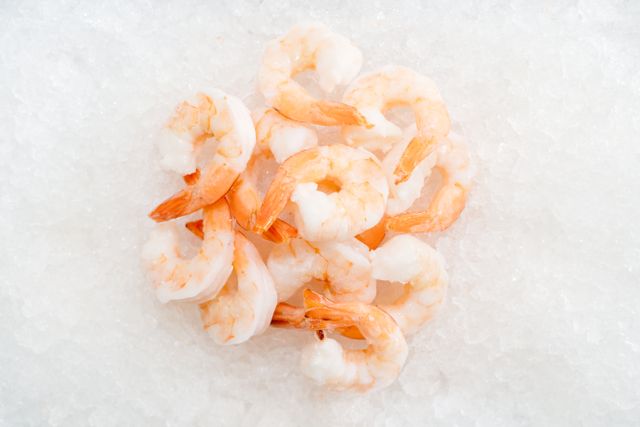
The frozen fish Made in Italy includes very different products: natural fillets, breaded portions, gastronomic preparations and complete dishes. Freezing allows them to be preserved for a long time and dosed as needed, with benefits for families and professional kitchens. Quality depends on the raw material, the speed of the treatment and the continuity of the cold chain, up to the final preparation (Duarte et al., 2020).
Frozen fish in Italy, market data
I consumption of frozen fish in Italy reached in 2025 104,000 tonnes — of which about 64,000 t of natural fish and 42,000 t of breaded and prepared products — on the retail channel alone retail, +3.5% over 2024. Data published by the Italian Frozen Food Institute (IIAS) based on NielsenIQ surveys do not however include values of out-of-home frozen fish consumption. (IIAS, 2026a).
The annual IIAS report presented in September 2026 shows total consumption of frozen products for 1,040,596 tonnes in 2025, up 1%, and a market of 6.1 billion euros (+3%). The retail accounts for 642,140 tonnes and 3.866 billion euros, out-of-home 398,456 tonnes and about 1.9 billion. In the first half of 2026 retail volumes grew by 3.4% compared to the same period in 2025 (ANSA, 2026). Fish is the second category among the best-selling frozen foods, after vegetables.
| Indicator | Period | Data | Perimeter |
| Natural and prepared frozen fish | 2025 | 104,000 t; +3.5% | Domestic consumption in Italy |
| All frozen foods | 2025 | 1,040,596 t; +1% | Total consumption in Italy |
| Value of all frozen foods | 2025 | 6.1 billion euros; +3% | Entire Italian market |
| Volumes of all frozen foods | First half 2026 | +3,4% | Retail; comparison with first half 2025 |
Sources: IIAS (2026a); ANSA (2026). The values represent consumption in Italy, not national production.
Italian raw material partly comes from aquaculture. In 2024, national fish farming produced 51,000 tons of fish, valued at 287.6 million euros, in over seven hundred sites. The trout leads with 28,700 tons, followed by gilthead seabream and European seabass with 9,900 and 5,100 tons, respectively (Italian Fish Farmers Association, 2025).
Import and export of fishery products
It is worth noting that the total fishery sector does not coincide with frozen products, and exports from Italy do not identify fish of Italian origin. The overall data confirm that also in this sector the processing of foods Made in Italy plays a central role in the supply chain, where in 2025 Italy recorded:
- import over 1.1 million tons of fishery products, valued at over 7.8 billion euros (+4.4% in volume and value);
- export 140,000 tons (+6%);
- trade balance fishery sector with a growing deficit, from 6.4 to 6.7 billion euros (BMTI, 2026a).
In the first ten months of 2025, imports of frozen products, distinct customs items, included 101,567 tons of cephalopods (squid and cuttlefish), 67,596 tons of shrimp, 40,100 tons of octopus, and 21,903 tons of tuna (BMTI, 2026b).
History of frozen fish in Italy, from freezer ships to fish sticks
Italian ocean fishing with onboard freezing dates back to the 1930s. Genepesca, founded in 1935 based in Livorno, outfitted fishing boats for the Atlantic, launched in 1940, where the catch was cleaned, boxed and immediately frozen at temperatures below −18 °C (Bertozzi, 2022).
The industrial frozen food establishes itself in Italy in the Sixties of the last century. In 1963 the main companies in the sector set up the Italian Institute of Frozen Foods (IIAS, n.d.-a). In 1964 Findus started the plant in Cisterna di Latina, with an initial capacity of 15,000 tons per year; in 1967 production began of the fish sticks . (Findus, n.d.). Law no. 32 of 27 January 1968 regulates the retail sale of frozen foods and is subsequently amended by Legislative Decree 110/1992, which implements Directive 89/108/EEC (Legislative Decree 110/1992, Articles 11 and 14).
. On the Adriatic coast, the corporate reconstruction of ESCA, born at the San Benedetto del Tronto fish market, documents a first low-temperature cold storage room in 1960, the foundation of the industry in 1968, and vacuum-packed frozen trays from 1971. The production transfer to Abruzzo, along the Tronto, took place between 1980 and 1983 (ESCA, n.d.-a).
In , Tuscany, Panapesca was founded in 1972, after a family business launched in fresh fish trade in 1965; in the second half of the Seventies its trade in frozen seafood products grew (Panapesca, n.d.-b). In , Sicily , the fleet of Mazara del Vallo develops the treatment and freezing system onboard for the red shrimp, which from a species without a market becomes a flagship product (RSI, 2026).
Frozen and deep-frozen, what are the differences?
The , freezing is a specific form of deep-freezing, characterized by technological and legal requirements:
- The freezing , allows quickly passing, depending on the nature of the food, through the zone of maximum crystallization. After thermal stabilization, the temperature must be maintained at all points of the product at values equal to or below −18 °C, subject to tolerances provided by law (Legislative Decree 110/1992, Articles 2 and 4);
- The freezing includes both industrial and domestic processes, with different cooling rates. Freezing can also be rapid: the distinction therefore does not, by itself, imply a judgment on product quality. The common domestic freezer is suitable for freezing food and storing already frozen items, but it does not guarantee quick freezing (IIAS, n.d.-b).
Quick freezing, thanks to the rapid formation of smaller ice crystals, helps to preserve the cellular structure of the food e a retain liquids inside it, reducing loss during thawing.
Thermal fluctuations during storage can also promote recrystallization and compromise this result (Duarte et al., 2020). It is therefore essential to ensure continuity of the ‘cold chain’ during logistics and distribution, and by the consumer after purchase.
Where frozen fish is produced in Italy
The sector's geography includes processing and preparation plants, as well as the territories that supply raw materials.
In the Lazio, in Cisterna di Latina, the Findus factory - part of the Nomad Foods group since 2015 - produces around 80% of the volumes that the brand sells in Italy (Findus, s.d.; Quotidiano Nazionale, 2025).
In , Tuscany, Massa e Cozzile, in the province of Pistoia, hosts the headquarters and main factory of Panapesca, a group with over 650 employees and factories also in Thailand and Morocco (Panapesca, s.d.-a).
Between Marche and Abruzzo, the link with San Benedetto del Tronto finds an industrial example in the ESCA factory in Controguerra, in the province of Teramo (ESCA, s.d.-a; ESCA, s.d.-b).
In Emilia-Romagna in Morciano di Romagna, in the Rimini area, Il Faro Quality Fish — controlled by Panapesca since 2020 — develops and produces frozen ready meals and gastronomic specialties for catering (Panapesca, 2020; Panapesca, s.d.-a).
In Friuli-Venezia Giulia, San Vito al Tagliamento it is the headquarters of Bofrost Italia, the second company in the Italian frozen food market and the first in home sales, where packaging and storage take place at −24 °C; the products are then distributed by a network of branches (Il Nord Est, 2025).
Other well-known brands operate in Italy without national establishments. FRoSTA, present since 1989, acquired the Surgela and Mare Fresco brands from Nestlé in 2017, without acquiring Italian plants. Pescanova Italia is the commercial company of the Spanish group Nueva Pescanova: it carries out wholesale trading activities of frozen fish products, without having production plants in Italy (Pescanova Italia, n.d.; Ufficiocamerale, 2026).
Innovations and ready meals, levels of service
Part of the innovation concerns the way of preserving and portioning. Individual quick freezing, in English Individually Quick Frozen (IQF), treats each piece separately, with high-speed cold air or liquid nitrogen, before packaging: fillets, shrimp, squid rings or mussels do not stick together and the consumer takes the necessary amount, resealing the package.
The vacuum packaging and cling film packaging, called skin, organize the offer in portions, limit contact with oxygen and protect against surface dehydration; ESCA documents the adoption of skin since 1997 (ESCA, n.d.-b). The glazing – a thin protective layer of ice – performs a similar function on whole fish and mollusks or fillets, slowing fat oxidation (Méndez et al., 2023).
The levels of service vary, from ready to eat (RTE) to those to be prepared:
- products to be consumed after only thawing, such as cooked shrimp or pre-cooked seafood cocktails, smoked salmon and frozen tartare: safety depends on processing and the cold chain, as the consumer does not apply any heat treatment;
- products to be heated, such as fish sauces, soups, first courses and fully cooked dishes: heating serves taste and serving temperature;
- products to be cooked, such as breaded, battered, marinated or already seasoned fillets, often ‘to be cooked without thawing‘: cooking is the step that guarantees safety;
- natural frozen raw material, whole or in fillets, often IQF, intended for kitchen preparation.
Gastronomic innovation emerges in fish sauces, first courses, and preparations for catering. ESCA indicates 2001 as the launch year of the first frozen ready-made fish sauces in Italy, the Condipresto line; Il Faro offers frozen ready meals for the professional channel (ESCA, n.d.-a; Panapesca, n.d.-a).
What distinguishes frozen fish Made in Italy
The production value Made in Italy lies in the selection of raw materials, but above all in the processing and recipes that express Italian cuisine, also recognized by UNESCO. The documented hubs show diverse skills: portioning, packaging, sauces, and dishes for domestic or professional consumption. This processing capacity uses both national fish and international supplies, as shown by import data of frozen cephalopods, shrimp, and octopus (ESCA, n.d.-b; Panapesca, n.d.-a; BMTI, 2026b).
The decisive factors are the species, freshness of the fish at the time of freezing (or deep freezing), management of the entire process, from thermal shock phase to storage, until thawing and cooking (Duarte et al., 2020; Jia et al., 2022).
When the origin of the food is indicated voluntarily and that of the primary ingredient is different, the rules on the declaration of the origin of the primary ingredient or its diversity apply (Regulation EU 1169/2011, art. 26.3; Reg. EU 2018/775).
Frozen fish, how to choose it
For gourmets
The fish naturally frozen, whole or in fillets, as well as frozen crustaceans and mollusks, must show on the label the same information fresh fish: commercial and scientific name, production method ('caught' or 'farmed'), fishing area or country of farming, category of fishing gear and, where required, the indication 'defrosted' (Regulation EU 1379/2013, art. 35.1 and Annex I). These obligations do not apply to prepared and preserved products, such as breaded items and ready meals, which may report them voluntarily (Regulation EU 1379/2013, art. 39).
In glazed products, the ice layer must not be included in the declared net weight (EU Reg. 1169/2011, Annex IX, point 5). For preparations and breaded products, assess ingredients and fish percentage, when due: two packages of the same weight may offer different quantities of fish raw material (EU Reg. 1169/2011, art. 22 and Annex VIII).
Buy frozen foods at the end of shopping, use a thermal bag and quickly store them in the freezer. Slow thawing in the refrigerator is recommended for large pieces, while many products are cooked directly from frozen; a thawed frozen food should never be refrozen, save its preparation with cooking, because slow refreezing forms larger crystals that break the cells of the food (IIAS, n.d.-b; Ministry of Health, n.d.). Freezing stops bacterial multiplication but does not eliminate it: oneImproper thawing allows the resumption of microbial activity (Ministero della Salute, n.d.).
For professional buyers
Define a specification for species, origin, cut, size, presence of skin and bones, and net quantity (without glazing). Request information about the facility and check the freezing dates or, if the product has been frozen multiple times, the date of the first freezing, which is mandatory for unprocessed fishery products (Reg. EU 1169/2011, Annex III, point 6).
Then compare the cost of the served portion through yield tests at thawing and cooking, rather than limiting yourself to the price per kilogram. A specification may include tolerances on size and verifiable sensory criteria. Practical testing allows choosing the format suitable for the menu without assuming a universal yield of the frozen product.
For ready meals, clarify whether cooking is necessary for safety, check allergens and instructions, and organize procedures after opening or thawing. Ready-to-eat products without heat treatment fall under specific microbiological criteria for Listeria monocytogenes (Reg. EC 2073/2005, Annex I, Chapter 1).
Conclusions
Frozen fish Made in Italy can enhance the work of the processing industry and national aquaculture, offering practical portions and gastronomic preparations.
For families, it matters to buy a product suitable for the recipe and store it properly. For catering, the actual yield of the portion also counts.
Dario Dongo
References
Peer-reviewed scientific studies
Duarte, A. M., Silva, F., Pinto, F. R., Barroso, S., & Gil, M. M. (2020). Quality assessment of chilled and frozen fish—Mini review. Foods, 9(12), 1739. https://doi.org/10.3390/foods9121739
Jia, H., Roy, K., Pan, J., & Mráz, J. (2022). Icy affairs: Understanding recent advancements in the freezing and frozen storage of fish. Comprehensive Reviews in Food Science and Food Safety, 21, 1383–1408. https://doi.org/10.1111/1541-4337.12883
Méndez, L., Zhang, B., & Aubourg, S. P. (2023). Enhancement of lipid stability of frozen fish by octopus-waste glazing. Foods, 12(12), 2298. https://doi.org/10.3390/foods12122298
European Union regulatory sources
Regulation (EU) No 1169/2011 of the European Parliament and of the Council of 25 October 2011 on the provision of food information to consumers. Consolidated text: 01/04/2025. http://data.europa.eu/eli/reg/2011/1169/2025-04-01
Regulation (EU) No 1379/2013 of the European Parliament and of the Council of 11 December 2013 on the common organisation of the markets in fishery and aquaculture products. Consolidated text: 27/11/2024. http://data.europa.eu/eli/reg/2013/1379/2024-11-27
Commission Regulation (EC) No 2073/2005 of 15 November 2005 on microbiological criteria for foodstuffs. Consolidated text: 01/07/2026. http://data.europa.eu/eli/reg/2005/2073/2026-07-01
Commission Implementing Regulation (EU) 2018/775 of 28 May 2018 laying down rules for the application of Article 26(3) of Regulation (EU) No 1169/2011 as regards the rules for indicating the country of origin or place of provenance of the primary ingredient of a food. Consolidated text: 09/06/2019. http://data.europa.eu/eli/reg_impl/2018/775/2019-06-09
Italian regulatory sources
Legislative Decree 27 January 1992, no. 110. Implementation of Directive 89/108/EEC on frozen foodstuffs intended for human consumption. Regulatory. Last update to the published document: 11/03/2021. https://www.normattiva.it/eli/id/1992/02/17/092G0147/CONSOLIDATED
Institutional and supply chain publications
Italian Fish Farmers Association. (2025, November 10). Italian aquaculture 2024. Production data 2024. https://www.acquacoltura.org/dati-produttivi-2024/
BMTI. (2026a). Fish market yearbook 2025. FEAMPA Program 2021-2027, Masaf. https://filieraittica.bmti.it/wp-content/uploads/2026/07/Annuario-ittico-2025_DEF2.pdf
BMTI. (2026b). Quarterly analysis of prices and markets of fishery and aquaculture products, January 2026. https://filieraittica.bmti.it/wp-content/uploads/2026/06/Analisi-trimestrale-ittico-gen-26.pdf
Italian Frozen Food Institute. (2026a, February 25). Frozen foods: in 2025 the growth of consumption in Italian households continues +1.1% compared to 2024, for a total of over 642 thousand tons consumed. https://www.istitutosurgelati.it/surgelati-nel-2025-continua-la-crescita-dei-consumi-nelle-case-degli-italiani-11-rispetto-al-2024-per-un-totale-di-oltre-642-mila-tonnellate-consumate/
Istituto Italiano Alimenti Surgelati. (n.d.-a). Who we are. Consulted on October 11, 2026. https://www.istitutosurgelati.it/chi-siamo/
Istituto Italiano Alimenti Surgelati. (n.d.-b). FAQ. Consulted on October 11, 2026. https://www.istitutosurgelati.it/faq/
Ministry of Health. (n.d.). FAQ—Storing food with cold. Consulted on October 11, 2026. https://www.salute.gov.it/new/it/faq/faq-conservare-gli-alimenti-col-freddo/
Corporate documentation
ESCA. (n.d.-a). Who we are. Consulted on October 11, 2026. https://www.esca.it/it/company/
ESCA. (n.d.-b). Company profile. Consulted on October 11, 2026. https://www.esca.it/en/pages/company-profile-137/
Findus. (n.d.). Findus: the history of frozen foods in Italy. Press dossier. Consulted on October 11, 2026. https://cdn.uc.assets.prezly.com/dc8df222-c3c2-4df1-babf-ca59be726cac/-/inline/no/
Panapesca. (2020, May 4). Panapesca and Il Faro Quality Fish together from today to grow in the Italian and international fish products market. Press release. https://www.panapesca.eu/sites/panapesca.eu/files/comunicato-stampa-maggio2020.pdf
Panapesca. (n.d.-a). Plants and offices worldwide. Panapesca Group. Consulted on October 11, 2026. https://www.panapesca.eu/chi-siamo/il-gruppo/
Panapesca. (n.d.-b). Our history, since 1972. Consulted on October 11, 2026. https://www.panapesca.eu/chi-siamo/la-storia/
Pescanova Italia. (n.d.). Pescanova, high-quality frozen fish. Consulted on October 12, 2026. https://www.pescanova.it/
Ufficiocamerale. (2026). Pescanova Italia S.r.l., VAT number 04291580373. Consulted on October 12, 2026. https://www.ufficiocamerale.it/7335/pescanova-italia-srl
Press
ANSA. (2026, September 3). Frozen foods, over 1 million tons consumed in 2025. https://www.ansa.it/sito/notizie/economia/2026/09/03/alimenti-surgelati-oltre-1-milione-le-tonnellate-consumate-nel-2025_279a9302-a4b0-4d84-b966-79b529b4fe76.html
Bertozzi, G. (2022, 11 October). The birth of modern fishing in Italy: mechanical fishing, part III. Ocean4Future. https://www.ocean4future.org/savetheocean/archives/76645
Il Nord Est. (2025, March 8). Bofrost revenues at 300 million, technology and AI to help sales. https://www.ilnordest.it/economia/imprese/ricavi-bofrost-tecnologia-ai-vendite-x2h1c7mr
Quotidiano Nazionale. (2025, December 2). Sofficini, Carletto and the changing Italy. Findus' strategy in the words of country manager Renato Roca. https://www.quotidiano.net/economia/money-vibez/i-sofficini-carletto-e-litalia-che-cambia-la-strategia-di-findus-nelle-parole-del-country-manager-renato-roca-iimkt78x
RSI. (2026, May 19). Red prawn 'from Mazara': what does a name tell us about the menu? https://www.rsi.ch/food/extra/ambiente/Gambero-rosso-%E2%80%9Cdi-Mazara%E2%80%9D-cosa-ci-dice-un-nome-sul-menu–3723972.html

Dario Dongo, lawyer and journalist, PhD in international food law, founder of WIISE (FARE - GIFT – Food Times) and Égalité.


