

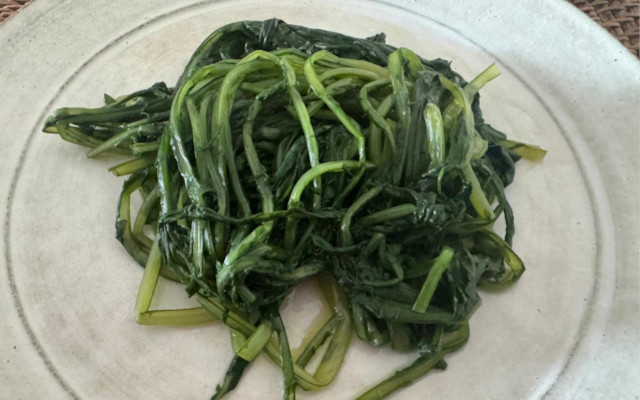
The chicory (Cichorium intybus L.) is an emblematic case of how a vegetable from the Mediterranean tradition can transform into a strategic asset for nutraceuticals and the modern food industry. Beyond the gastronomic value rooted in Italian regional cuisines, this Asteraceae stands out for a unique biochemical profile, dominated by the presence of inulin e phenolic compounds. Contemporary research confirms its role in supporting the intestinal microbiota and managing metabolic risk, outlining new market opportunities for organic productions and excellent local supply chains.
Botanical and cultural evolution of the genus Cichorium
Chicory has accompanied the food history of humanity for millennia. Its origins trace back to the Mediterranean basin and the Near East: already in ancient Egypt it was used for food and medicinal purposes, while classical authors such as Galen and Pliny the Elder described it as a digestive and purifying food. The Latin name Cichorium probably derives from the Arabic chicouryeh, confirming the pre-medieval diffusion of the plant in the cultures of the Near East.
During the Middle Ages it spread in European monasteries, where it was grown for fresh consumption and medicinal preparations. In the 18th century, particularly in the Netherlands and Belgium, agronomic selections began that led to the birth of modern head lettuces and radicchio. Root chicory, variety C. intybus var. sativum, was systematically cultivated in France and Belgium from the late 18th century to extract a coffee substitute.
A historic turning point occurred in the 19th century, when the roasted chicory root was widely used as an alternative to coffee during the Napoleonic commercial blockades and, subsequently, in the two world wars. In Italy this use was especially consolidated in the South. Still today, the 'chicory drink' — caffeine-free and rich in antioxidants produced by the Maillard reaction — represents a growing niche market in the health and organic sector (Birsa & Sarbu, 2023).
A further step is linked to the birth of theinulin: since the late 19th century, chicory roots have become the main industrial source of this prebiotic fiber, extracted on a global scale.
Varieties and seasonality: biodiversity on the plate
Chicory belongs to the genus Cichorium, which includes six species and numerous cultivated and wild varieties (Birsa & Sarbu, 2023). The main commercial types in Italy include:
- catalogna chicory (C. intybus var. foliosum), including the famous puntarelle;
- cutting chicory, used in salads and as baby leaf;
- wild chicory, gathered in the open field or cultivated;
- witloof chicory (Belgian), forced in the dark to reduce bitterness;
- root chicory (C. intybus var. sativum), source of industrial inulin.
The plant presents leaves elongated and serrated of intense green color, with variable presence of white latex (responsible for the bitter taste). From an agronomic point of view it is a rustic species, adaptable to different climatic conditions and relatively resistant to water stress compared to other leafy vegetables. Prefers well-drained soils rich in organic matter.
Seasonality varies depending on the variety and geographical area: the autumn-winter chicories represent the most widespread production in Italy; the puntarelle reach their quality peak in the cold months (from September to May in Apulia); some cutting varieties are available almost all year round thanks to protected crops and crop succession.
Terroir, supply chain and sustainability
Chicory is grown in many Italian regions, with particular concentration in Apulia, Lazio, Veneto, Campania, Abruzzo and Emilia-Romagna. Apulia is the main national production hub: the Molfetta puntarelle, currently in the process for PGI recognition, are cultivated on over 1,500 hectares in total between the Bari coastal strip and Salento, with an estimated economic value exceeding 10 million euros for the Molfetta-Bisceglie area alone.
I Mediterranean terroirs, characterized by marked temperature excursions and moderately fertile soils, encourage the development of crispy and aromatically intense leaves. The most prized productions come from manual harvesting, limited use of nitrogen fertilizers, controlled irrigation and short supply chains. From the environmental point of view, chicory presents favorable elements: low water requirements, high yield per hectare, good adaptability to sustainable crop rotations. The organic cultivation is growing, driven by European demand for foods free of chemical residues and with high health value.
From field to table: the production method
The fresh chicory intended for food consumption consists exclusively of the edible parts of the plant — mainly leaves, shoots and stalks — without additives or added ingredients. The production stages include: soil preparation (plowing, milling and organic fertilization); direct sowing or transplanting; controlled irrigation management; integrated or organic phytosanitary monitoring; manual or mechanical harvesting; selection, washing and packaging.
In the case of puntarelle the artisanal processing involves the separation of the inner shoots (stalks), the traditional cutting into thin strips and immersion in cold water to reduce bitterness and provide the characteristic crunchiness. The ready-to-eat product (IV range) in 250 g trays today represents a growing share of commercialization, especially in Lazio and Northern Italy.
For the production of chicory for beverage and inulin, the roots are harvested at the end of summer, washed, sliced and dried; the slices intended for chicory coffee are then roasted at controlled temperatures (between 160 and 200 °C), triggering the Maillard reaction and the development of melanoidins with antioxidant activity. The roots intended for industrial extraction of inulin they are instead processed by enzymatic hydrolysis or hot aqueous extraction, obtaining fractions with different degrees of polymerization - native inulin, oligofructose, FOS (fructo-oligosaccharides) — with specific technological and nutraceutical applications (Perović et al., 2021).
Inulin and phytochemical compounds: the nutritional identity card
Chicory is a vegetable with very low energy content and high nutritional density. According to CREA Food Composition Tables, 100 g of raw chicory provide on average:
- energy: 17 kcal;
- proteins, 1.4 g;
- lipids, 0.2 g;
- sugars, 0.7 g;
- dietary fiber: 3.6 g.
This vegetable is characterized as a source of vitamin A, in the form of carotenoids (especially beta-carotene): 219 μg per 100 g, equal to 27% of the Nutritional Reference Value indicated in Annex XIII to Regulation (EU) No. 1169/11.
The phytochemical composition varies significantly between the parts of the plant:
- the leaves are rich in chicoric acid, chlorogenic and isochlorogenic acids, ferulic acid and flavonols (quercetin, myricetin, kaempferol);
- the sesquiterpene lactones (lactucin and lactucopicrin) responsible for the characteristic bitter taste concentrate in the leaves and latex;
- hydroxycoumarins and esculetin are present both in the leaves and in the roots;
- inulin is concentrated in exceptionally high amounts (between 11 and 20 g per 100 g of fresh weight) in the chicory root, which represents the main source of this prebiotic fiber. It is also present, in more modest amounts, in the leaves and stems, as well as in the shoots (puntarelle).
All these compounds contribute to the antioxidant and anti-inflammatory properties of the plant (Birsa & Sarbu, 2023; Perović et al., 2021).
Health focus: the action of inulin on intestine and metabolism
The only currently authorized 'health claim' in the European Union concerns inulin extracted from chicory:
- ‘inulin from chicory contributes to normal bowel functions thanks to an increase in evacuation frequency’;
- this indication can be used in the commercial information of foods that ‘provide a daily intake of at least 12 g of inulin extracted from chicory, an unfractionated mixture of monosaccharides (< 10 %), disaccharides, inulin-type fructans, and inulin extracted from chicory with an average degree of polymerization ≥ 9’;
- ‘the consumer must be informed that the beneficial effect is obtained with the daily intake of 12 g of inulin from chicory’ (EU regulation no. 432/12).
Scientific literature also attributes numerous potentially beneficial properties to chicory – supported by systematic reviews and, in some cases, clinical studies – which deserve further investigation.
Prebiotic effect and intestinal microbiota
The inulin contained mainly in the root is not hydrolyzed by human digestive enzymes, but is selectively fermented in the colon by microbiota bacteria, producing short-chain fatty acids (SCFA) such as butyrate. The latter – of which butter is a privileged source – plays a crucial role in intestinal mucosa health and mitochondrial energy metabolism. This mechanism selectively stimulates the growth of Bifidobacterium spp. and Lactobacillus spp., contributing to the balance of the microbiota (Roberfroid, 2005; Pouille et al., 2022).
Body weight control
A meta-analysis published in the American Journal of Clinical Nutrition examined numerous randomized controlled clinical trials, concluding that supplementation with inulin-type fructans from chicory root (median dose: 10 g/day for 12 weeks) is associated with clinically significant reductions in body weight, BMI, fat mass, and waist circumference (Reimer et al., 2024). The authors attribute these effects to modulation of the intestinal microbiota and to enhancement of satiety signals mediated by anorexigenic hormones secreted by the intestine after meals (GLP-1, Glucagon-Like Peptide-1 and PYY, Peptide YY).
Antioxidant activity
Polyphenols, flavonols, and melanoidins from roasted chicory show significant antioxidant activity both in vitro and in experimental models, with a potential protective role against oxidative stress and chronic degenerative diseases (Birsa & Sarbu, 2023).
Liver and digestive health
Traditionally, chicory has been used as a choleretic and hepatoprotective agent. Classical phytotherapy recognizes its digestive properties, partially confirmed by scientific literature associating some compounds — esculetin, cicorioside — with possible protective effects on liver function (Nwafor et al., 2017). Clinical evidence in humans remains limited and requires confirmation in randomized studies.
Effects on carbohydrate metabolism
The bioactive compounds of chicory — particularly chicoric acid and inulin — show hypoglycemic properties in clinical studies, with possible improvement in insulin sensitivity and postprandial glycemic response (Pouille et al., 2022; Nishimura et al., 2015). This profile is of particular interest for the management of metabolic risk.
It is worth remembering that health effects depend on the overall context of the diet, lifestyle, and the actual dose consumed.
Uses in cooking and the food industry
Chicory is used in numerous culinary preparations: side dishes, pasta, risottos, soups, broths, savory pies and raw salads. The Roman puntarelle — traditionally seasoned with extra virgin olive oil, garlic and anchovies — represent one of the most iconic preparations of Italian cuisine. Wild chicory is highly appreciated in southern Italy, often paired with legumes (the classic Apulian dish ‘broad beans and chicory’) or with stale bread and pecorino cheese.
The roasted root is used for coffee alternatives (caffeine-free and rich in antioxidants), as a functional ingredient in baked goods, and in the formulation of prebiotic supplements. The food industry uses inulin extracted from chicory as a technological ingredient (fat substitute and partly sugar, texture improver) and nutraceutical in a wide range of products: dairy, baked goods, energy bars, functional beverages (Reimer et al., 2024).
Conclusions
The rediscovery of chicory integrates the protection of agricultural biodiversity with modern public health needs. The transition towards IGP recognition for local varieties, such as Apulian puntarelle, and the technical use of extractive inulin demonstrate the versatility of a resource capable of combining environmental sustainability and profitability. Enhancing this supply chain means promoting a food model that recognizes food not only as a caloric intake but as a determining factor for the balance of the microbiota andsystemic well-being.
Dario Dongo
Credit cover Dario Dongo
References
- Birsa, M. L., & Sarbu, L. G. (2023). Health benefits of key constituents in Cichorium intybus L. Nutrients, 15(6), 1322. https://doi.org/10.3390/nu15061322
- Commission Regulation (EU) No 432/2012 of 16 May 2012 establishing a list of permitted health claims made on foods: Consolidated text: 20/08/2025 http://data.europa.eu/eli/reg/2012/432/2025-08-20
- CREA. (2019). Food composition tables – field chicory, raw. Council for agricultural research and analysis of agricultural economy, CREA Food and Nutrition. https://www.alimentinutrizione.it/tabelle-nutrizionali/005240
- Nishimura, M., Ohkawara, T., Kanayama, T., Kitagawa, K., Nishimura, H., & Nishihira, J. (2015). Effects of the extract from roasted chicory (Cichorium intybus L.) root containing inulin-type fructans on blood glucose, lipid metabolism, and fecal properties. Journal of Traditional and Complementary Medicine, 5(3), 161–167. https://doi.org/10.1016/j.jtcme.2014.11.016
- Nwafor, I. C., Shale, K., & Achilonu, M. C. (2017). Chemical composition and nutritive benefits of chicory (Cichorium intybus) as an ideal complementary and/or alternative livestock feed supplement. The Scientific World Journal, 2017, 7343928. https://doi.org/10.1155/2017/7343928
- Perović, J., Tumbas Šaponjac, V., Kojić, J., Krulj, J., Moreno, D. A., García-Viguera, C., Bodroža-Solarov, M., & Ilić, N. (2021). Chicory (Cichorium intybus L.) as a food ingredient — nutritional composition, bioactivity, safety, and health claims: A review. Food Chemistry, 336, 127676. https://doi.org/10.1016/j.foodchem.2020.127676
- Pouille, C. L., Ouaza, S., Roels, E., Behra, J., Tourret, M., Molinié, R., Fontaine, J.-X., Mathiron, D., Gagneul, D., Taminiau, B., Daube, G., Ravallec, R., Rambaud, C., Hilbert, J.-L., Cudennec, B., & Lucau-Danila, A. (2022). Chicory: Understanding the effects and effectors of this functional food. Nutrients, 14(5), 957. https://doi.org/10.3390/nu14050957
- Regulation (EU) No 1169/2011 of the European Parliament and of the Council of 25 October 2011 on the provision of food information to consumers. Consolidated text: 01/04/2025 http://data.europa.eu/eli/reg/2011/1169/2025-04-01
- Reimer, R. A., Theis, S., & Zanzer, Y. C. (2024). The effects of chicory inulin-type fructans supplementation on weight management outcomes: Systematic review, meta-analysis, and meta-regression of randomized controlled trials. The American Journal of Clinical Nutrition, 120(5), 1245–1258. https://doi.org/10.1016/j.ajcnut.2024.09.019
- Roberfroid, M. B. (2005). Introducing inulin-type fructans. British Journal of Nutrition, 93(S1), S13–S25. https://doi.org/10.1079/BJN20041350
- Street, R. A., Sidana, J., & Prinsloo, G. (2013). Cichorium intybus: Traditional uses, phytochemistry, pharmacology, and toxicology. Evidence-Based Complementary and Alternative Medicine, 2013, 579319. https://doi.org/10.1155/2013/579319

Dario Dongo, lawyer and journalist, PhD in international food law, founder of WIISE (FARE - GIFT – Food Times) and Égalité.


