

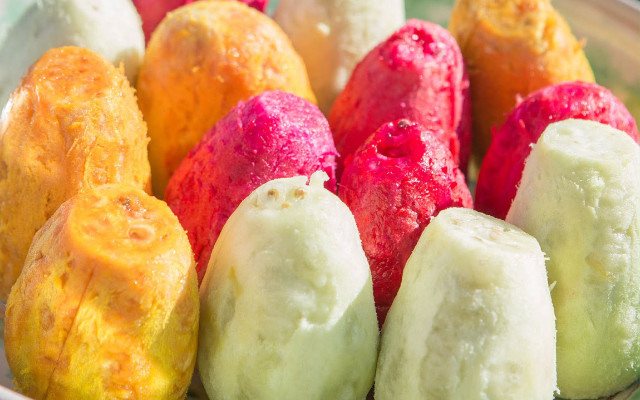
The prickly pear represents the symbol of agriculture in Sicily and the most natural response to drought Mediterranean, yet the official Italian statistics still overlook its real coverage in the territory. A strict re-examination of the primary sources—from Qualivita surveys to MASAF regulations, up to the most recent evidence on Microbiota —allows us to clarify the untapped potential of the supply chain and the two DOPs, as well as on the nutritional and functional opportunities of the crop.
The void of official statistical data
Anyone looking for the Italian surface area planted with prickly pear finds the same figure repeated for ten years: 7,000-8,000 hectares. This is not an updated census figure. TheIstat classifies the species among the ‘fresh fruit of subtropical origin’, together with pineapple, avocado, mango, and papaya, and does not publish a disaggregated series. There is not even an autonomous customs code, which makes isolating exports impossible.
This anomaly is actually widespread at an international level. The most recent scientometric review on the species, conducted on 518 indexed articles between 1990 and 2023, indicates among the priority gaps in research the fact that no country has an exact figure on the hectares cultivated with cacti, and recommends the use of remote sensing and geoinformatics to fill this gap (Naorem et al., 2024).
The quantitative references that can be used are therefore derived from bibliographic sources. TheItaly accounts for 12,2% of world production, behind Mexico (45%) and ahead of South Africa (3.7%), and is the first exporter worldwide, with 7,000-8,300 hectares for 78,000-87,000 tons per year (Naorem et al., 2024).
The economic comparison is more interesting than the volume: the production cost per hectare is 4,055.10 euros in Italy, compared to 9,453.77 in Spain and 939.77 in Mexico (Andreu-Coll et al., 2020). Italy is exactly in the middle between a high capital intensity model and a very low labor cost model: a position that allows competing on quality rather than price, provided it is equipped with tools capable of making that quality recognizable and rewarded.
Economy and volumes of the Etna DOP prickly pear
The only certified figures available are those collected by the Qualivita Foundation at control bodies. For the Etna DOP prickly pear, which counts 31 operators registered, the five-year series is as follows:
| Year | Certified production (kg) | Revenue (thousands of euros) | Implicit price |
| 2019 | 1.012.944 | 644 | 0.64 €/kg |
| 2020 | 1.248.794 | 838 | 0.67 €/kg |
| 2021 | 1.209.356 | 806 | 0.67 €/kg |
| 2022 | 1.022.603 | 577 | 0.56 €/kg |
| 2023 | 1.301.684 | 781 | 0.60 €/kg |
The production value fluctuates between 577 and 838 thousand euros per year. The ratio between revenue and volume, processed by the author with Qualivita data, returns a price ranging between 0.56 and 0.67 euros per kilogram. 2022 marks the minimum, with volumes down 18% and value down 28% compared to 2021; 2023 recovers in quantity (+27%), confirming a demand capable of absorbing increasing volumes. The margin for improvement, if any, lies in the price.
Theexport The prickly pear of Etna DOP does not appear in any of the five years considered. For a product of which Italy is the world’s leading exporter, it is a space entirely to be developed: the certified product has the requirements to accompany the export that today travels without denomination, starting from size, sugar content, and shelf life up to five weeks.
The comparison with national estimates gives a measure of the available space: 1,301.7 certified tons in 2023 are worth between 1.5% and 1.7% of an estimated Italian production of 78,000-87,000 tons. Beyond the 98% of the Italian prickly pear thus travels without a designation of origin, and it is the natural basin from which the two DOPs can draw.
San Cono, a model to review
The case of the second denomination must be read by placing two sets of numbers side by side: those of the territory and those of certification:
- on one side the territory. At the talk ‘Prickly pear, a lever for the territory’, held as part of the 39th Festival of Prickly pear of San Cono in October 2025, the supply chain presented its data: 2,000 hectares of specialized cultivated area, yields between 150 and 200 quintals per hectare, beyond 250 producers, a cooperative active since 2014, a dry residue of 16 degrees Brix and a average price declared around 1.20 euro/kg (double that derivable from the certification statistics of Etna DOP), with growth estimates up to 1.60-1.80.
The area would theoretically represent about 60% of the specialized Sicilian area, making it the main European hub of the sector. Specialized cultivation was born there in the Seventies on two thousand square meters, following the intuition of some farmers who had noticed that a fruit used to feed livestock sold well at retail;
- on the side of certification, the San Cono DOP prickly pear counts 23 operators registered. Statistics record 130 kg in 2019 and 15.7 tons in 2022, without data for 2020, 2021, and 2023. In 2019 the denomination formally risked cancellation due to lack of branded commercialization, then averted.
Two thousand hectares at 150-200 quintals theoretically produce between 30,000 and 40,000 tons. The denomination has so far intercepted a minimal fraction. It is not a market problem — the product sells, and well — but of participation of the production base to the instrument: a supply chain with over 250 producers and 23 certified operators must face a path of aggregation for survival, even before promotion.
The operational advantages of conversion to organic
In the report Organic in figures 2025, curated by Ismea with CIHEAM Bari for MASAF, the prickly pear does not even have its own category as it falls under 'other subtropical fruit', which in 2024 accounts for 3,354 hectares in Italy, down 12.5% (-477 hectares) from 2023, of which 2,674 are converted and 680 in conversion. The entire category 'subtropical zone fruit' falls to 10,175 hectares (-8.7%).
The picture in Sicily is that of a leading region in a phase of adjustment: 402,779 hectares organic in 2024, equal to 16.0% of the national organic area but declining (-2.5%); 13,520 certified farms (+1.9%); the area for organic fruit region is instead marginal, 4,752 hectares, and records a significant reduction (-1,040 ha). At the national level organic reaches 2,514,596 hectares, 20.2% of the UAA (Ismea & CIHEAM Bari, 2025).
The cultivation of prickly pear, moreover, is naturally suited to organic farming: minimal irrigation needs, no requirement for intensive fertilization, xerophytic rusticity. The conversion to organic pursuant to theOrganic Production Regulation (EU) 2018/848 therefore appears to be the most feasible way to grant the prickly pear of Sicily a recognizable attribute in foreign markets. Moreover, the organic regime is the only one to completely exclude chemical weeding, which is still permitted in the San Cono protocol.
Historical evolution of the crop in Sicily
The most solid historical reconstruction is indicated in Article 6 of the Etna protocol, where Denis Mack Smith is cited, according to whom at the end of the sixteenth century the Spaniards introduced in Sicily the prickly pear coming from tropical America, and the plants were planted 'to break the lava' on the slopes of Etna.
References to the 'cultivated area of Etna' already appear in the time of Spallanzani (1792). In the 1827 Salvatore Coppoler publishes On the prickly pear, its cultivation in Sicily and the method to obtain late fruits ('scuzzulari'). W. H. Bartlett, in the Pictures from Sicily of 1853, observes that of all the plant productions of the lower Etna mountain the prickly pear is perhaps the one that develops best.
The disciplinary of San Cono adds the testimony of the French agronomist Adrien De Gasparin, who in the 1840 defines the prickly pear ‘the manna, the providence of Sicily', comparing it to what the banana represents for equatorial countries. The transformation into intensive cultivation then takes place in the mid-Seventies of the twentieth century, as documented by Alberghina (1988), Basile (1991) and in the treatise by Barbera and Inglese (1993).
Instead, they should be abandoned, as they lack support in primary sources, both the attribution of the introduction to San Francesco di Paola and the Minor Friars, and the literary citation 'of celestial stone'.
Technique of detaching and harvesting calendars
Opuntia ficus-indica belongs to the Cactaceae. The stem is made up of flattened cladodes that perform a photosynthetic function and of water reserve; the leaves are reduced to glochids, the tiny spines which make despinning necessary.
the brushing consists, in the literal definition of the Etna disciplinary regulations, in removing flowers, newly set fruits and young cladodes, to induce a second flowering and shift the ripening to late autumn, when the product has few competitors on the market.
The two disciplinary regulations treat it differently:
- San Cono makes it mandatory within a precise window, from May 10 to June 30, adjustable according to climatic conditions and the fruit load on the plant (disciplinary regulation, article 5);
- Etna instead limits itself to recording it as a common but not mandatory practice, from May to June, depending on the production areas and climatic trend (disciplinary regulation, article 5).
Hence the commercial distinction, which depends on the flowering of origin:
- the fruits of the first flowering are the August fruits, also called Latini on Etna and classified as Quality A in San Cono;
- those of the second flowering, obtained after brushing, are the brushed fruits, called bastardoni on Etna and Quality B o late fruits in San Cono.
I calendars of harvest in turn, they differ slightly: Etna foresees harvesting from August for the August fruits and from September to December for the brushed fruits; San Cono fixes narrower terms, from August 20 to September 30 and from September 10 to December 31. The climatic compression is already visible in the records: in 2024, after the declaration of a state of emergency for severe drought by the Sicilian Region, a report from the Di3A Department of the University of Catania established that average winter temperatures and summer peaks had anticipated ripening by several weeks, and MASAF temporarily modified the disciplinary regulations for the 2024 production year only.
the despinning, mandatory in both denominations, takes place with brushers equipped with rollers with special bristles. Hot water treatment is excluded to protect the shelf life of the DOP fruits.
Revision of the Etna DOP regulations
The designation Etna DOP prickly pear is registered by Commission Regulation (EC) No 1491/2003. The current text is disciplinary consolidated annexed to the MASAF decree of August 27, 2025, following the ordinary amendment procedure of article 24.9 of regulation (EU) 2024/1143 and Commission regulation (EU) 2025/27. The approval communication was published in the Official Journal of the European Union, series C, on December 15, 2025.
The disciplinary is composed of eight articles. In summary:
- the area is included between 150 and 750 meters above sea level in the municipalities of Bronte, Adrano, Biancavilla, Santa Maria di Licodia, Ragalna, Camporotondo Etneo, Belpasso and Paternò;
- the cultivars allowed are the Yellow (‘Sulfarina’ or ‘Nostrale’), the Red (‘Sanguigna’) and the White (‘Muscaredda’ or ‘Sciannarina’), with a maximum of 5% of other ecotypes; the ‘Trunzara’ or ‘Pannittera’ selections are considered premium variants (disciplinary, article 2);
- maximum density of 600 plants per hectare for a maximum of 35 tons per hectare (disciplinary, article 5);
- i fruits, when released for consumption, must have: weight not less than 90 grams; pulp not less than 60% of the fresh weight; refractometric degree not less than11%;
- storage and initial processing must take place within the delimited area.
The 2025 updates concern the. For bulk sale a. For bulk sales a adhesive label with the logo of the designation, at least 2×2 centimeters, to be applied on at least 70% of the fruits present in the sales package. This measure addresses the most serious practical problem of this PDO — the dispersion of identification at the counter — and is the technical premise to intercept the share of product currently not certified. The wording ‘Prickly Pear from Etna‘ (disciplinary, article 8).
At the institutional level, the Consortium for protection, based in Biancavilla, was recognized by ministerial decree of 30 November 2023 (GU no. 287 of 9 December 2023), closing a historical fragmentation between three competing entities. The new three-year position at the Experimental Zooprophylactic Institute of Sicily 'A.' began on 28 March 2026. Mirri' as public supervisory authority, at the request of the Consortium itself.
Quality parameters for the PDO of San Cono
Registered with the Commission Regulation (EU) No 225/2013, the second PDO concerns the territories between 200 and 600 meters above sea level of the municipalities of San Cono and San Michele di Ganzaria (CT), Piazza Armerina (EN) and Mazzarino (CL). The specification is more prescriptive than that of Etna:
- the plantations must be exclusively specialized, with a density from 200 to 650 plants per hectare, spacings from 5 to 8 meters between rows and from 1 to 6 meters within the row; the maximum permitted production is 250 quintals per hectare, less than one third of the Etna limit. This figure is interesting in view of the declared yields of the supply chain, ranging between 150 and 200 quintals: the regulatory limit is not binding in current practice;
- the classification commercial is based on sizes: B from 105 to 140 grams, C from 140 to 190, D from 190 to 270, with a 5% tolerance, in Extra and I categories of the Codex Alimentarius;
- for market release require refractometric degree not less than 14% e flesh hardness not less than 5 kg/cm² (disciplinary, article 2). The average 16 Brix degrees declared by the supply chain comfortably place the product above the threshold;
- allowed packages range from 500 grams to 5 kilograms; the wording ‘Fiorone‘ is allowed only on packages containing fruits between 105 and 130 grams.
The territorial link is described with pedological precision: alluvial soils with sand content not less than 50%, pH between 6.9 and 8.1, valleys open from east to west that favor irradiation and the ingress of breezes (disciplinary, article 6).
However, the disciplinary expressly allows the chemical weeding with glyphosate, for a maximum of two applications per year, one in autumn after harvest and one in spring before topping (disciplinary, article 5). One more reason to steer choices towards certified organic products, where such practice is prohibited pursuant to theOrganic Production Regulation (EU) 2018/848.
From July 1, 2026 the control body is CSQA Certifications, which has incorporated the regulated certification activities of Check Fruit.
Traditional Agri-food Products
National recognitions of some Traditional Agri-food Products (PAT), including the Indian Fig of the Belice Valley, the Indian Fig of the Torto Valley and the Bastarduna of Calatafimi.
These recognitions have merely cultural value, as they are not based on third-party certifications for verifying the conformity of the products designated as such and have no legal effect.
Nutritional composition of the fresh fruit
The following table reports the nutritional values reported by CREA – Research Center for Food and Nutrition for 100 grams of edible part of prickly pear. It is worth noting that the edible part represents about 64% of the fruit: to obtain 100 grams of pulp therefore 156 grams of whole fruit are needed.
| Nutrient | Per 100 g | Per serving (150 g) |
| Water | 83.2 g | 124.8 g |
| Energy | 63 kcal / 263 kJ | 95 kcal / 396 kJ |
| Proteins | 0.8 g | 1.2 g |
| Lipids | 0.1 g | 0.2 g |
| Available carbohydrates | 13.0 g | 19.5 g |
| of which sugars | 13.0 g | 19.5 g |
| Dietary fiber | 5.0 g | 7.5 g |
Nutrition claims allowed in the EU: fiber and vitamin C
The product marketed in the European Union may bear, on the label and in advertising, the indication ‘high fiber content‘ — or other expressions of equivalent meaning for the consumer, such as ‘rich in fiber’ — pursuant to Nutrition and Health Claims Regulation (EC) No 1924/2006. Their quantity is indeed well above the threshold of 6 g per 100 kcal (5 g per 63 kcal = 7.9 g per 100 kcal).
With regard to micronutrients, the prickly pear presents significant amounts only of vitamin C, 18 mg per 100 g of edible portion, corresponding to 22,5% of the Nutrient Reference Value established in Annex XIII, part A, of the Food Information Regulation (EU) No 1169/2011.
Referring to the portion a 150 gramsas suggested by CREA, vitamin C rises to 27 mg, equal to 33.8% of the NRV, exceeding the 30% threshold that allows the declaration ‘ahigh vitamin C content‘; potassium is 285 mg, equal to 14.3%, just below the threshold. No other nutrient exceeds 15% even per portion.
Results of clinical and preclinical research
Clinical studies
Clinical studies on humans regarding the potential health benefits associated with the intake of prickly pears show promising results, which deserve further investigation:
- inflammation. One randomized controlled crossover study on 28 healthy volunteers, with 200 grams of ‘Surfarina’ cultivar pulp twice a day for two-week periods, compared to an isocaloric diet with equivalent fruit. Statistically significant reductions of TNF-α, IL-1β, IFN-γ, IL-8, C-reactive protein and erythrocyte sedimentation rate; increase of IL-10 and skin carotenoids (Attanzio et al., 2018);
- glycemia. A systematic review registered on PROSPERO clarified that it is the cladodes and some derivatives that reduce serum glucose and insulin, while the fruit itself mostly does not produce significant effects (Gouws et al., 2019). The antidiabetic properties could therefore concern the extracts of the fruit’s pads;
- lipids. The subsequent review by the same group, which methodologically separates fruit and cladode, finds promising but not conclusive evidence, with high heterogeneity (Gouws et al., 2020);
- microbiota. A randomized double-blind placebo-controlled trial evaluated a prebiotic extract in subjects with dysbiosis, with 16S rDNA sequencing (Mellai et al., 2024). This is a standardized extract, not the fresh fruit;
- neuromodulation. A preliminary study compared fruits yellow rich in indicaxanthin with fruits white lacking the pigment used as placebo, measuring cortical excitability with transcranial magnetic stimulation and anodal direct current (Gambino et al., 2022).
Effects of the fruit on the gut microbiota
A research group from the University of Palermo published on August 5, 2026, in Frontiers in Nutrition, a study on animal models suggesting the potential benefits of prickly pear — to be further explored with appropriate clinical studies — for the health of the intestinal microbiota (Calvi et al., 2026):
- 32 C57BL/6 mice in four groups of eight were fed for 16 weeks with standard diet, high-fat diet, high-fat diet supplemented with fruit, and high-fat diet with fruit plus a broad-spectrum antibiotic cocktail to eliminate the intestinal microbiota;
- the tested product is whole fruit of the yellow cultivar of San Cono, freeze-dried with 2.5% β-cyclodextrin for food use, administered at 12 g per kg of diet;
- the dose was calibrated on a consumption corresponding for humans to 75 grams of freeze-dried, equivalent to about four fruits per day.
Themicrobiota analysis showed — in subjects undergoing supplementation with prickly pear of the high-fat diet — a reduction in the ratio Firmicutes/Bacteroidota and enrichment of genera such as Duncaniella, Paramuribaculum, Akkermansia e Parabacteroides, positively correlated with cerebral indices.
Supplementation allowed prevention of brain weight reduction induced by the high-fat diet, preserved cortical architecture and neuronal density, and partially improved cognitive performance. At the transcriptional level, the intervention modulated 38 genes in the cortex (28 upregulated, 10 downregulated) and 11 in the hippocampus, on pathways related to amyloid-β metabolism, synaptic function, and lipid metabolism. All these effects disappeared in mice treated with antibiotics.
The same research group had documented improvement of insulin resistance from fruit consumption in obese mice (Terzo et al., 2025), as well as the effect of isolated indicaxanthin on glucidic dysmetabolism (Terzo et al., 2022) and neuronal damage (Terzo et al., 2026). A parallel group, also from Palermo, observed effects on cognitive functions, oxidative stress, and lipid dysmetabolism in rats with metabolic syndrome, at 14 mg/kg twice daily for one month (Di Majo et al., 2024).
There is no at the moment authorized health indication pursuant to Nutrition and Health Claims Regulation (EC) No 1924/2006, neither for the prickly pear nor for indicaxanthin. However, the process exists and is defined: articles 13.5 and 14 of the regulation allow applications for new authorizations health claim based on generally accepted scientific evidence, and the preclinical data collected by the groups from Palermo and Catania could constitute a starting point to design the necessary clinical studies. Our team of to DO (Food and Agriculture Requirements) is at the disposal of sector operator representatives and research consortia interested in designing clinical studies useful to prepare the related authorization requests.
Water efficiency and carbon balance
Here the primacy of the species is not rhetorical and is quantified. As a plant with acid metabolism of Crassulaceae, Opuntia ficus-indica uses from 4 to 10 millimoles (mmol) of CO₂ per mole of water, compared to 1-3 mmol for C3 and C4 plants. It takes 330 millimeters of water to produce 16,210 kg of dry matter per hectare, measurement obtained using the energy balance technique by an Italian group. A single cladode contains 36.2% carbon, equivalent to about 166 kg of CO₂ per adult plant and an annual fixation rate of 8.29 kilograms (data reported and discussed in Naorem et al., 2024).
The same review documents improvements in organic matter, moisture, and vegetation cover under Opuntia in Algeria, Morocco, and Ethiopia, with increasing effects as the plantation ages. It also highlights Italy's leading role in scientific research: theUniversity of Palermo is the second institution in the world for the number of articles on this species in agriculture, and Italy is the leading country for total citations, with 1,918.
In the post-harvest phase, the optimal storage è at 2 °C and 90% relative humidity up to 28 days; at 20 °C the fruit lasts three days (Andreu-Coll et al., 2021). The Etna DOP prickly pear, kept between 6 and 8 °C, is preserved up to five weeks from the harvest.
Prevention of phytosanitary risks in the Mediterranean
the the carmine cochineal, Dactylopius opuntiae (Cockerell), sucks the sap from the phloem of cladodes causing yellowish areas, tissue necrosis, fruit drop and plant drying. The EPPO bulletin of January 2026 updates the Mediterranean map: first detection in Spain in 2009, then Lebanon 2012, Israel 2013, Morocco 2014, Cyprus 2016, Jordan 2019, Algeria in 2021 in the Tlemcen region and in 2024 in that of Oran, where it is now considered widespread and harmful in the northwest, Tunisia in 2024 and Libya from May 2024 (EPPO, 2026).
Italy is not listed among the countries with reports. The Sicilian regional phytosanitary service has adopted a prevention program with D.R.S. no. 1987 of May 23, 2022, which provides official controls on specialized companies, nurseries of Opuntia ornamental and retailers. In Morocco the insect has infested 30,000 hectares in four years.
It should be noted that there are no registered and effective synthetic insecticides on the crop for this phytophage. Research has focused on biorational methods such as mineral oil, black soap, extract of Nicotiana glauca, the entomopathogenic fungus Alternaria murispora, in combination with pruning, tested in the field in Morocco between 2022 and 2024.
Two thousand hectares concentrated in a single district, with a genetically homogeneous monoculture and no registered chemical means, are an ideal target. The proximity of North African hotspots is a systemic risk.
Industrial valorization and parallel markets
Domestic consumption remains predominantly fresh. Industrial processing produces syrups, jellies, Jams, sorbets (not coincidentally born in Sicily), candied fruits and liqueurs, including rosolio.
In the Sicilian repertoire remain central the mustard of prickly pear, the jelly that exploits the natural pectin of the fruit, and, in the San Cono area, the savory preparations: the fruit blanched in salad, stuffed with provola cheese and onion and fried, or as a condiment for spaghetti and rice.
Two lines of enhancement deserve attention because they shift value away from fresh products:
- the first is the mucilage: applied as an edible coating on slices of 'Hayward' kiwi, it improved quality parameters during storage (Allegra et al., 2016);
- the second is thepulp extract as a natural preservative for meats, object of studies coordinated by Rosa Palmeri of the University of Catania. These are the two fronts on which a supply chain that sells at 0.60-1.20 euros per kg can build margin and stability, reducing dependence on the fresh market.
On the non-food front, seed oil for cosmetic purposes and the use of cladode fiber as an alternative to leather are highlighted.
the functional ingredients derived from cladodes, seeds and processing by-products represent the front with the widest margins. If they were not significantly consumed within the Union before 15 May 1997, such derivatives may fall within the scope of Novel Food Regulation (EU) 2015/2283 and require prior authorization, based on a safety dossier evaluated by EFSA. Our FARE team (Food and Agriculture Requirements) is also available for this type of activity.
Guidelines for consumer choice
- Look for the label, not the word. From 2025, bulk-sold Etna prickly pear DOP must bear the label with the logo on at least 70% of the fruits. It is the most reliable indication to recognize the certified product, which today represents a still limited share of the supply.
- Size and season say almost everything. the August fruits are smaller and less sweet; the brushed fruits autumn ones have larger size and higher refractometric degree. Over 190 grams, for San Cono, it is size D.
- Organic must be verified, not presumed. DOP certification and organic certification respond to two distinct regulations: the EU organic logo is the only reference for the absence of chemical weeding and glyphosate residues.
- Cold is a friend, but in moderation. Optimal storage at 2 °C and 90% relative humidity; the Etnean product lasts up to five weeks between 6 and 8 °C.
- Look at the base of the fruit. The specification requires harvesting with a thin portion of cladode at the base: it is an indication of correct harvesting and not of tearing.
Conclusions
The prickly pear is a strategic resource for the island's agriculture, boasting exceptional photosynthetic efficiency, leading export status, and solid research activities. The consolidation of the two PDOs, focus on organic production, potential requests for specific health claims, and development of high value-added derivatives are key guidelines to ensure full profitability of the supply chain.
Dario Dongo
Credit cover La Deliziosa Producers' Organization
References
Regulatory sources
Commission Delegated Regulation (EU) 2025/27 of 30 October 2024 supplementing Regulation (EU) 2024/1143 of the European Parliament and of the Council with rules concerning the registration and the protection of geographical indications, traditional specialities guaranteed and optional quality terms and repealing Delegated Regulation (EU) No 664/2014. OJ L, 2025/27, 15.1.2025. http://data.europa.eu/eli/reg_del/2025/27/oj
Commission Implementing Regulation (EU) No 225/2013 of 6 March 2013 entering a name in the register of protected designations of origin and protected geographical indications (‘Ficodindia di San Cono’ (PDO)). OJ L 72, 15.3.2013, p. 8. http://data.europa.eu/eli/reg_impl/2013/225/oj
Commission Regulation (EC) No 1491/2003 of 25 August 2003 supplementing the Annex to Regulation (EC) No 2400/96 (‘Ficodindia dell’Etna’ and others). OJ L 214, 26.8.2003. https://eur-lex.europa.eu/legal-content/EN/TXT/HTML/?uri=CELEX:32003R1491
Ministry of Agriculture, Food Sovereignty and Forests. (2025, August 27). Ordinary amendment to the production specification of the protected designation of origin ‘Ficodindia dell’Etna’ [Decree]. Official Gazette of the Italian Republic, General Series No. 204 of 4 September 2025. https://www.masaf.gov.it/flex/cm/pages/ServeAttachment.php/L/IT/D/1%252F4%252F5%252FD.c6ada0364944772557ab/P/BLOB%3AID%3D18907/E/pdf
Ministry of Agricultural, Food and Forestry Policies. (n.d.). Production specification of the protected designation of origin ‘Ficodindia di San Cono’. https://www.masaf.gov.it/flex/cm/pages/ServeBLOB.php/L/IT/IDPagina/2005
Sicilian Region, Regional Phytosanitary Service. (2022, 23 May). Program for the prevention of introduction and spread of the cochineal Dactylopius opuntiae (Cockerell) in Sicily — 2022 (D.R.S. no. 1987). https://www.regione.sicilia.it/sites/default/files/2022-05/DRS%20n.%201987%20del%2023-05-2922%20(3).pdf
Regulation (EC) No 1924/2006 of the European Parliament and of the Council of 20 December 2006 on nutrition and health claims made on foods. Consolidated text: 13/12/2014. http://data.europa.eu/eli/reg/2006/1924/2014-12-13
Regulation (EU) No 1169/2011 of the European Parliament and of the Council of 25 October 2011 on the provision of food information to consumers. Consolidated text: 01/04/2025. http://data.europa.eu/eli/reg/2011/1169/2025-04-01
Regulation (EU) 2015/2283 of the European Parliament and of the Council of 25 November 2015 on novel foods. Consolidated text: 27/03/2021. http://data.europa.eu/eli/reg/2015/2283/2021-03-27
Regulation (EU) 2018/848 of the European Parliament and of the Council of 30 May 2018 on organic production and labelling of organic products and repealing Council Regulation (EC) No 834/2007. Consolidated text: 25/03/2025. http://data.europa.eu/eli/reg/2018/848/2025-03-25
Regulation (EU) 2024/1143 of the European Parliament and of the Council of 11 April 2024 on geographical indications for wine, spirit drinks and agricultural products, as well as traditional specialities guaranteed and optional quality terms for agricultural products. Consolidated text: 18/03/2026. http://data.europa.eu/eli/reg/2024/1143/2026-03-18
Databases and statistical reports
CREA – Research Centre for Food and Nutrition. (2019). Prickly pears, fresh (food code 007080). Food composition tables. https://www.alimentinutrizione.it/tabelle-nutrizionali/007080
EPPO. (2026). Update on the situation of Dactylopius opuntiae in the Mediterranean Basin. EPPO Reporting Service, 2026(1), Article 2026/012. https://gd.eppo.int/reporting/article-8308
Fondazione Qualivita. (2026). Etna DOP prickly pear [Product sheet and statistics]. Qualigeo. https://www.qualigeo.eu/prodotto-qualigeo/ficodindia-delletna-dop/
Fondazione Qualivita. (2026). Prickly Pear of San Cono PDO [Product sheet and statistics]. Qualigeo. https://www.qualigeo.eu/prodotto-qualigeo/ficodindia-di-san-cono-dop/
Ismea & CIHEAM Bari. (2025). Organic in figures 2025. SINAB – Masaf. https://sinab.it/wp-content/uploads/2025/12/Rapporto-BIC-ISMEA-2025-web_17_12.pdf
Peer-reviewed literature
Allegra, A., Inglese, P., Sortino, G., Settanni, L., Todaro, A., & Liguori, G. (2016). The influence of Opuntia ficus-indica mucilage edible coating on the quality of ‘Hayward’ kiwifruit slices. Postharvest Biology and Technology, 120, 45–51. https://doi.org/10.1016/j.postharvbio.2016.05.011
Andreu-Coll, L., Cano-Lamadrid, M., Noguera-Artiaga, L., Lipan, L., Carbonell-Barrachina, Á. A., Rocamora-Montiel, B., et al. (2020). Economic estimation of cactus pear production and its feasibility in Spain. Trends in Food Science & Technology, 103, 379–385. https://doi.org/10.1016/j.tifs.2020.07.003
Andreu-Coll, L., García-Pastor, M. E., Valero, D., Amorós, A., Almansa, M. S., Legua, P., et al. (2021). Influence of storage on physiological properties, chemical composition, and bioactive compounds on cactus pear fruit (Opuntia ficus-indica (L.) Mill.). Agriculture, 11(1), 62. https://doi.org/10.3390/agriculture11010062
Attanzio, A., Tesoriere, L., Vasto, S., Pintaudi, A. M., Livrea, M. A., & Allegra, M. (2018). Short-term cactus pear [Opuntia ficus-indica (L.) Mill] fruit supplementation ameliorates the inflammatory profile and is associated with improved antioxidant status among healthy humans. Food & Nutrition Research, 62, Article 1262. https://doi.org/10.29219/fnr.v62.1262
Calvi, P., Terzo, S., Giardina, M., Timeo, S., Palumbo, L., Ricciardi, N., Gambino, G., Sardo, P., Massaro, A., Nuzzo, D., Picone, P., Mulè, F., & Amato, A. (2026). Neuroprotective effects of Opuntia ficus-indica fruit in high-fat-diet-induced obese mice: Evidence for a role of the gut microbiota. Frontiers in Nutrition, 13, Article 1909657. https://doi.org/10.3389/fnut.2026.1909657
Di Majo, D., Ricciardi, N., Di Liberto, V., Allegra, M., Frinchi, M., Urone, G., et al. (2024). The remarkable impact of Opuntia ficus-indica fruit administration on metabolic syndrome: Correlations between cognitive functions, oxidative stress and lipid dysmetabolism in the high-fat, diet-fed rat model. Biomedicine & Pharmacotherapy, 177, Article 117028. https://doi.org/10.1016/j.biopha.2024.117028
Gambino, G., Brighina, F., Allegra, M., Marrale, M., Collura, G., Gagliardo, C., Attanzio, A., Tesoriere, L., Di Majo, D., Ferraro, G., Sardo, P., & Giglia, G. (2022). Modulation of human motor cortical excitability and plasticity by Opuntia ficus indica fruit consumption. Nutrients, 14(22), 4915. https://doi.org/10.3390/nu14224915
Giraldo-Silva, L., Ferreira, B., Rosa, E., & Dias, A. C. P. (2023). Opuntia ficus-indica fruit: A systematic review of its phytochemicals and pharmacological activities. Plants, 12(3), 543. https://doi.org/10.3390/plants12030543
Gouws, C. A., Georgousopoulou, E. N., Mellor, D. D., McKune, A., & Naumovski, N. (2019). Effects of the consumption of prickly pear cacti (Opuntia spp.) and its products on blood glucose levels and insulin: A systematic review. Medicina, 55(5), 138. https://doi.org/10.3390/medicina55050138
Gouws, C., Mortazavi, R., Mellor, D., McKune, A., & Naumovski, N. (2020). The effects of prickly pear fruit and cladode (Opuntia spp.) consumption on blood lipids: A systematic review. Complementary Therapies in Medicine, 50, Article 102384. https://doi.org/10.1016/j.ctim.2020.102384
Mellai, M., Allesina, M., Edoardo, B., Cascella, F., Nobile, V., Spina, A., Amone, F., Zaccaria, V., Insolia, V., Perri, A., Lofaro, D., & Puoci, F. (2024). A randomized, double-blind, placebo-controlled trial: Efficacy of Opuntia ficus-indica prebiotic supplementation in subjects with gut dysbiosis. Nutrients, 16(5), 586. https://doi.org/10.3390/nu16050586
Naorem, A., Patel, A., Hassan, S., Louhaichi, M., & Jayaraman, S. (2024). Global research landscape of cactus pear (Opuntia ficus-indica) in agricultural science. Frontiers in Sustainable Food Systems, 8, Article 1354395. https://doi.org/10.3389/fsufs.2024.1354395
Terzo, S., Attanzio, A., Calvi, P., Mulè, F., Tesoriere, L., Allegra, M., et al. (2022). Indicaxanthin from Opuntia ficus-indica fruit ameliorates glucose dysmetabolism and counteracts insulin resistance in high-fat-diet-fed mice. Antioxidants, 11(1), 80. https://doi.org/10.3390/antiox11010080
Terzo, S., Calvi, P., Restivo, I., Massaro, A., Tesoriere, L., Fernández-Real, J. M., et al. (2025). Opuntia ficus-indica fruit consumption improves insulin resistance in mice with diet-induced obesity. Journal of the Science of Food and Agriculture, 105, 7868–7880. https://doi.org/10.1002/jsfa.70038
Terzo, S., Amato, A., Calvi, P., Giardina, M., Nuzzo, D., Picone, P., et al. (2026). Positive impact of indicaxanthin from Opuntia ficus-indica fruit on high-fat diet-induced neuronal damage and gut microbiota dysbiosis. Neural Regeneration Research, 21(1), 324–332. https://doi.org/10.4103/NRR.NRR-D-23-02039
Industry sources
Cronache di Gusto. (2025, October 9). San Cono and the prickly pears: two thousand hectares, yields and prices. ‘This is how this fruit creates wealth in the territory’. https://www.cronachedigusto.it/scenari/il-ficodindia-di-san-cono-dop-protagonista-del-talk-un-volano-per-il-territorio/
Fondazione Qualivita. (2019). San Cono prickly pear PDO, the PDO brand saved at the last minute. https://www.qualivita.it/news/ficodindia-di-san-cono-dop-salvato-in-extremis-il-marchio-dop/
Fondazione Qualivita. (2026, July 16). CSQA incorporates regulated certification activities of Check Fruit. https://www.qualivita.it/news/csqa-incorpora-le-attivita-di-certificazione-regolamentata-di-check-fruit-salgono-a-98-le-filiere-a-indication-geografica-controlled
Italiafruit News. (2023, December 21). The Consortium for the protection of Etna Prickly Pear DOP is a reality. https://www.italiafruit.net/il-consorzio-di-tutela-del-ficodindia-delletna-dop-e-realta
Terrà – Sicilian Region. (2026, March 31). Etna Prickly Pear DOP: the Zooprophylactic Institute of Sicily confirmed as the controller. https://terra.regione.sicilia.it/ficodindia-delletna-dop-listituto-zooprofilattico-della-sicilia-confermato-alla-regia-dei-controlli/

Dario Dongo, lawyer and journalist, PhD in international food law, founder of WIISE (FARE - GIFT – Food Times) and Égalité.


