

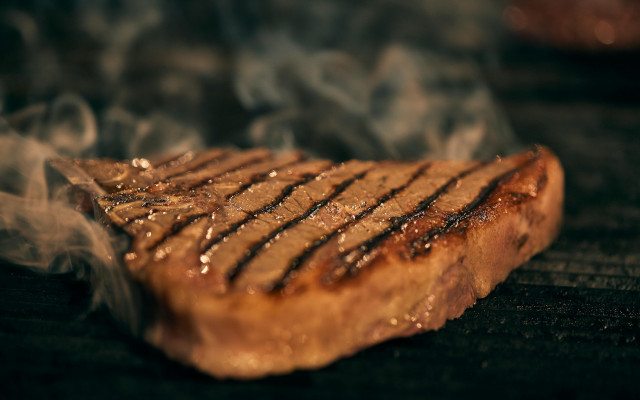
The scottona holds a prominent place in the livestock sector for its peculiar organoleptic properties. Often confused with a breed, it actually represents a precise physiological stage of the young cow: a natural condition that results in meat with fine marbling and superior tenderness. We analyze the biological factors, nutritional evidence and market dynamics that reward certified quality and animal welfare.
According to the most recent analyses by ISMEA (2025) and European Commission (2025), the beef market in the 2025/2026 biennium shows:
- European production: slight contraction (-1.2% compared to 2023) with 6.8 million tonnes;
- Per capita consumption in Italy: stable at 15.8 kg/year, with increasing polarization towards premium segments (+4.2% in value);
- certified quality demand: growth of 7.5% in PDO/PGI and organic products;
- Italian export: contained volumes (38,000 tons), but unit value increasing (+11% to EU markets);
- target markets: growing interest from the Middle East, Hong Kong and Singapore for products traceable and of high quality.
Specific data on scottona cannot be disaggregated, as they fall within the general category of quality fresh beef.

The Emilian roots of scottona
The term ‘scottona’ is rooted in the Italian zootechnical tradition, where it identified young female bovines destined for slaughter before first calving. The origin of the name derives from the Emilian-Romagnol dialect, where ‘scòtta‘ indicated a female not yet covered.
Already in 19th-century zootechnical treaties the qualitative superiority of this meat compared to other bovine categories was recognized.
In the modern zootechnical supply chain, the scottona has established itself as a category premium, subject of growing scientific interest for its peculiar organoleptic characteristics, determined by hormonal balance and optimal slaughter age.
Biological identity and physiology of the young bovine
The scottona is a young female bovine (generally between 15 and 22 months old) that has never calved and is in a physiological phase characterized by high estrogen levels. This endocrine condition favors an optimal distribution of intramuscular fat (marbling) which is decisive for the sensory qualities of the meat (Hocquette et al., 2010).
Hormonal composition indeed influences:
- deposition of intramuscular fat with fine and homogeneous distribution;
- tenderness of muscle fibers, thanks to the young age and lower physical activity compared to working cattle;
- color bright vivid red, indicator of optimal myoglobin;
- ideal post-mortem pH for aging.

Genetic heritage among native and international breeds
Italian native breeds
Italian beef cattle breeds are distinguished by genetic quality and environmental adaptation:
- Chianina: originally from Val di Chiana (Tuscany), it is the largest bovine breed in the world (bulls up to 1,800 kg). The meat is characterized by a high percentage of lean muscle, fine and uniform marbling, bright red color and excellent tenderness;
- Marche region: native breed of the Marche, distinguished by optimal balance between muscle mass, intramuscular fat infiltration and slaughter yield (>60%);
- Romagnola: rustic breed from the Romagna-Marches Apennines, with excellent grazing ability, compact musculature and meat with intense flavor and excellent aging aptitude;
- Piemontese: characterized by a natural mutation in the myostatin gene that leads to a substantial increase in muscle mass (+20-25%) and the particular leanness of the meat, also tender (McPherron & Lee, 1997).
International breeds
- Aberdeen Angus: Scottish naturally polled breed, recognized for exceptional marbling due to early intramuscular fat deposition, intense flavor and superior tenderness;
- Hereford: English breed with red coat and white head and limbs, characterized by early development, environmental adaptability and consistent meat quality with good marbling;
- Charolais: French breed with white-cream coat, selected for exceptional muscle development and lean but tender meat;
- Limousine: French breed with wheat-blond coat, characterized by lean meat with low external fat but good intramuscular infiltration.
Breeding standards and feeding strategies
The animal welfare is a determining factor for the final quality. The best breeders adopt systems extensive or semi-extensive, with access to pasture, adequate spaces and low stocking densities.
Strategic feeding
Thefeeding of animals directly influences the composition and quality of the meat:
- quality forages (alfalfa, clover, ryegrass) provide polyunsaturated fatty acids, particularly α-linolenic acid (precursor of omega-3). In the rumen, these lipids undergo transformations that contribute to the formation of bioactive fatty acids such as CLA (conjugated linoleic acid) in animal tissues (Daley et al., 2010);
- selected cereals (corn, barley, oats) provide energy easily usable by the animal which supports intramuscular lipid deposition, favoring marbling;
- mineral integration (zinc, selenium) contributes to the activity of endogenous antioxidant systems, improving the oxidative stability of the meat and thus shelf-life and sensory quality;
- in the systems certified organic, animal feeding excludes GMOs, while the use of antibiotics is allowed exclusively for therapeutic purposes and subject to strict limitations, pursuant to regulation (EU) 2018/848.
The ‘grain finishing‘ (grain finishing) in the last 60-90 days before slaughter optimizes intramuscular fat deposition, improving palatability and tenderness (Raes et al., 2004).
Quality systems and protected Italian designations
Several Italian PGI may include scottona meat:
- Central Apennine White Steer PGI: Chianina, Marchigiana and Romagnola breeds;
- Piedmontese Steer of the Thigh PGI: certified Piedmontese breed.
These quality schemes ensure high production standards, complete traceability and independent controls throughout the supply chain.
Biochemical analysis and nutritional composition
According to the CREA food composition tables (2019), 100 g of adult beef provide on average:
- proteins: 21.3 g;
- lipids: 6.1 g (of which 2.4 g saturated fatty acids).
Beef is also characterized by richness and presence of micronutrients, such as:
- vitamin B12: 2 µg, equal to80% of the Nutrient Reference Value (2.5 µg) indicated in Annex XIII to regulation (EU) No 1169/11 (Wyness et al., 2016);
- niacin (vitamin B3): 4.2 mg, equal to 26% of the NRV (16 mg);
- zinc: 3.3 mg per 100 g, equal to 33% of the NRV (10 mg);
- phosphorus: 172 mg, equal to 25% of the NRV (700 mg);
- potassium: 313 mg, equal to 16% of the NRV (2000 mg);
- iron: 1.3 mg, equal to 9% of the NRV (14 mg).
Health benefits: evidence from scientific literature
Essential nutrients and bioavailability
Scottona meat represents a concentrated source of essential nutrients hardly found in other foods:
- high quality proteins, with a PDCAAS score (Protein Digestibility Corrected Amino Acid Score) equal to 0.92, among the highest in foods (Raes et al., 2004);
- vitamin B12: contributes to normal energy metabolism, normal functioning of the nervous system and psychological function, reduction of tiredness and fatigue; normal homocysteine metabolism; normal formation of red blood cells; normal immune system function. It also intervenes in the process of cell division (EU regulation no. 432/2012);
- niacin (vitamin B3): contributes to normal energy metabolism, normal functioning of the nervous system and psychological function; reduction of tiredness and fatigue; maintenance of mucous membranes and skin (EU regulation no. 432/2012);
- zinc: contributes to normal protein synthesis, metabolism (acid-base, carbohydrates, macronutrients and fatty acids, vitamin A); cognitive function; immune system; protection of cells from oxidative stress; DNA synthesis; fertility, reproduction, maintenance of normal testosterone levels in the blood; maintenance of normal bones, skin, nails and hair; cell division (EU regulation no. 432/2012);
- heme iron: the form present in meat has a bioavailability 2-3 times higher than non-heme plant iron, essential for the prevention of anemia (Abbaspour et al., 2014).
Nutritional implications for specific populations
The scientific literature highlights the favorable role of quality beef, with particular regard to nutritional contexts of:
- pregnancy and breastfeeding: bioavailable source of zinc, iron, vitamin B12 and essential fatty acids, critical nutrients for fetal and neonatal development (Wyness, 2016);
- children and adolescents: beef represents a concentrated source of critical nutrients for growth. The heme iron present in meat has a bioavailability 2-4 times higher than non-heme plant iron (20-30% vs 5-15%) and also enhances the absorption of non-heme iron from cereals, legumes and vegetables consumed in the same meal;
- athletes: support for muscle recovery and protein synthesis thanks to the high concentration of essential amino acids (Wyness, 2016);
- elderlyHigh biological value proteins in beef, rich in branched-chain amino acids, may help slow the progression of sarcopenia (reduction of muscle mass, resulting in loss of strength and functionality) and maintain quality of life (Wyness, 2016; Bradlee et al., 2018).
Role of quality consumption in human health
It is increasingly evident that not all red meats are nutritionally equivalent. The quality of meat depends on:
- animal feedingsupplementation with polyphenol-rich forage (clover, alfalfa) improves the antioxidant properties of the meat. Grain finishing in the last 60-90 days, practiced in both extensive and intensive systems, optimizes marbling but can modify the fatty acid profile (Inserra et al., 2022; Daley et al., 2010);
- farming system: pasture-raised animals (grass-fed) can produce meat with a more favorable lipid profile (higher omega-3 and CLA content) compared to intensive systems (Daley et al., 2010);
- slaughter age and agingoptimal age (15-22 months) ensures tender muscle fibers, while controlled aging (14-28 days at 1-4°C) activates endogenous proteolytic enzymes (cathepsins, calpains) that degrade myofibrillar proteins, improving protein digestibility and palatability (Dashdorj et al., 2016).
The quality scottona, produced according to strict regulations that value animal welfare and natural feeding, thus representing a nutritionally superior choice compared to other products.
Uses in cooking: from fine dining to home grilling
The culinary versatility of scottona makes it ideal for:
- noble cuts on the grill: rib steak, Florentine steak, entrecôte, cooked medium or rare to enhance juiciness;
- tagliataafter grilling or pan-cooking, the meat must rest for 5-8 minutes covered with aluminum foil. During this rest, muscle fibers relax and the juices, pushed to the center by cooking, redistribute evenly. The meat is then sliced across the muscle fibers, resulting in juicier and more tender meat;
- slow cooking: braised, stewed, ragouts to enhance less prized cuts;
- gourmet raw preparations: carpaccio, tartare, hand-chopped steak.
Buying guide: quality criteria for professionals and consumers
For gourmets and professional buyers
- Certifications: prioritize organic meat for the best guarantee of animal welfare, IGP to support short supply chains;
- Traceability: consider information about origin, breed, feeding;
- marbling: visually assess fat infiltration (white-cream fat, fine distribution);
- aging: prefer meat aged at least 14 days;
- color: bright vivid red (optimal pH 5.4-5.8).
GIFT support for international buyers
The team of GIFT (Great Italian Food Trade) offers qualified assistance to international buyers in selecting certified suppliers, facilitating access to Italian products compliant with the highest quality and sustainability.
Conclusions
Enhancing scottona means rewarding a supply chain that integrates zootechnical expertise and scientific rigor. Its properties – from vitamin B12 to zinc and heme iron – define a food with high nutritional density, useful to support well-being at different stages of life. A careful choice of meat is essential to guarantee an excellent gastronomic experience, rooted in the territory and attentive to sustainability.
Dario Dongo
Credit cover Mohamed Olwy
Bibliography
- Abbaspour, N., Hurrell, R., & Kelishadi, R. (2014). Review on iron and its importance for human health. Journal of Research in Medical Sciences, 19(2), 164–174.
- Bradlee, M. L., Mustafa, J., Singer, M. R., & Moore, L. L. (2018). High-protein foods and physical activity protect against age-related muscle loss and functional decline. The Journals of Gerontology: Series A, 73(1), 88–94. https://doi.org/10.1093/gerona/glx070
- Commission Regulation (EU) No 432/2012 of 16 May 2012 establishing a list of permitted health claims made on foods, other than those referring to the reduction of disease risk and to children’s development and health. Consolidated text: 20/08/2025 http://data.europa.eu/eli/reg/2012/432/2025-08-20
- CREA – Council for Agricultural Research and Economics (2019). Food composition tables. Beef. https://www.alimentinutrizione.it/tabelle-nutrizionali/101150
- European Commission. (2025). EU agricultural outlook for markets and income 2025-2035. Publications Office of the European Union. https://op.europa.eu/en/publication-detail/-/publication/2d8980f6-ed09-11f0-8d3c-01aa75ed71a1
- Daley, C. A., Abbott, A., Doyle, P. S., Nader, G. A., & Larson, S. (2010). A review of fatty acid profiles and antioxidant content in grass-fed and grain-fed beef. Nutrition Journal, 9(1), 10. https://doi.org/10.1186/1475-2891-9-10
- Dashdorj, D., Tripathi, V. K., Cho, S., Kim, Y., & Hwang, I. (2016). Dry aging of beef: Review. Journal of Animal Science and Technology, 58(1), 20. https://doi.org/10.1186/s40781-016-0101-9
- Hocquette, J. F., Gondret, F., Baéza, E., Médale, F., Jurie, C., & Pethick, D. W. (2010). Intramuscular fat content in meat-producing animals: development, genetic and nutritional control, and identification of putative markers. Animal, 4(2), 303–319. https://doi.org/10.1017/S1751731109991091
- Inserra, L., Priolo, A., Biondi, L., Lanza, M., Bognanno, M., Gravador, R., & Luciano, G. (2022). Dietary citrus pulp reduces lipid oxidation in lamb meat. Meat Science, 113, 321–328. https://doi.org/10.1016/j.meatsci.2015.09.015
- ISMEA. (2025). Beef trends no.1/2025 – October 2025. https://www.ismeamercati.it/flex/cm/pages/ServeBLOB.php/L/IT/IDPagina/13648
- Johnston, B. C., Zeraatkar, D., Han, M. A., Vernooij, R. W. M., Valli, C., El Dib, R., Marshall, C., Stover, P. J., Fairweather-Taitt, S., Wójcik, G., Bhatia, F., de Souza, R., Brotons, C., Meerpohl, J. J., Patel, C. J., Djulbegovic, B., Alonso-Coello, P., Bala, M. M., & Guyatt, G. H. (2019). Unprocessed red meat and processed meat consumption: dietary guideline recommendations from the Nutritional Recommendations (NutriRECS) Consortium. Annals of Internal Medicine, 171(10), 756–764. https://doi.org/10.7326/M19-1621
- Leroy, F., Brengman, M., Ryckbosch, W., & Scholliers, P. (2020). Meat in the post-truth era: Mass media discourses on health and disease in the attention economy. Appetite, 125, 374–381. https://doi.org/10.1016/j.appet.2018.02.028
- McPherron, A. C., & Lee, S. J. (1997). Double muscling in cattle due to mutations in the myostatin gene. Proceedings of the National Academy of Sciences, 94(23), 12457–12461. https://doi.org/10.1073/pnas.94.23.12457
- Raes, K., De Smet, S., & Demeyer, D. (2004). Effect of dietary fatty acids on incorporation of long chain polyunsaturated fatty acids and conjugated linoleic acid in lamb, beef and pork meat: a review. Animal Feed Science and Technology, 113(1-4), 199–221. https://doi.org/10.1016/j.anifeedsci.2003.09.001
- Regulation (EU) 2018/848 of the European Parliament and of the Council of 30 May 2018 on organic production and labelling of organic products and repealing Council Regulation (EC) No 834/2007. Consolidated text: 25/03/2025 http://data.europa.eu/eli/reg/2018/848/2025-03-25
- Wyness, L. (2016). The role of red meat in the diet: nutrition and health benefits. Proceedings of the Nutrition Society, 75(3), 227–232. https://doi.org/10.1017/S0029665115004267

Dario Dongo, lawyer and journalist, PhD in international food law, founder of WIISE (FARE - GIFT – Food Times) and Égalité.


