

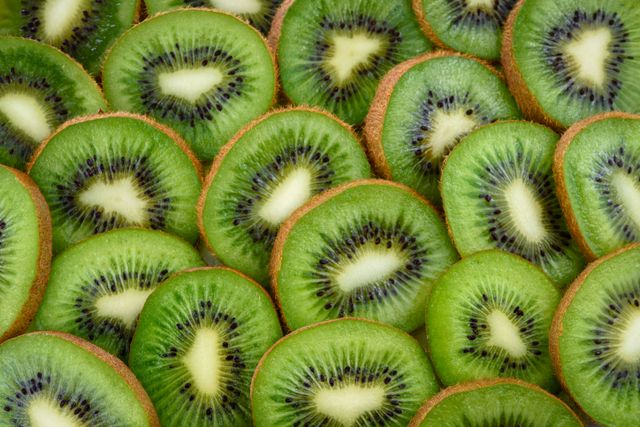
The Italian kiwi strengthens its leading role in the global fruit and vegetable sector during a phase of profound regulatory and agronomic transformation. The relaunch of the sector is driven by the recent implementing regulation (EU) 2025/1560, which authorized the first European health claim for a fresh fruit, scientifically validating the benefits of the Hayward cultivar on intestinal functionality. This scientific-legal breakthrough occurs within a dynamic macroeconomic context, where the strong expansion of organic and yellow-flesh varieties responds to growing international competition and complex phytosanitary challenges in the territory.
Global market numbers and European competition
According to the most recent FAOSTAT data (2023) — referring to the gross production of the calendar year — theItaly è third largest producer in the world of kiwi with 391,100 tonnes (about 8.8% of the total), after China (2,362,658 t, over half of the global supply) and New Zealand (662,744 t); followed by Greece (317,080 t) and Iran (295,142 t), in a world production of 4,433,060 t (FAOSTAT, 2025).
On the front ofexport, theItaly ranks at second place in volume after New Zealand. According to Fruitimprese analyses on ISTAT data, Italian exports rose from about 270,000 tons in 2022 to over 300,000 tons in 2023, with a value increasing from about 500 to over 600 million euros (+24%) (UN ECE, 2024).
CSO Italy estimates for the season 2025/2026 a marketable national volume — net of waste and off-market sizes — from about 341,000 tonnes, +17% on 2024/25 (particularly poor season):
- 208,000 t of green kiwi (+11%);
- 128,000 t of yellow kiwi (+27%);
- over 4,000 t of red kiwi (+10%) (CSO Italy, 2025).
TheEuropean supply overall nearly reaches 844,500 tonnes (+14%). Italy, Greece and France, according to Eurostat, concentrate over 90% of EU production. And for the first time Greece could surpass Italy, with a marketable volume expected at about 367,000 t (CSO Italy, 2025).
The map of Italian production between varieties and organic
The national surface area is around 24,900 hectares, with a distribution concentrated in Lazio (about 33%, especially in the province of Latina), in Piedmont and Emilia-Romagna (17% each), followed by Calabria (11%) and Veneto (10%) (UN ECE, 2024).
Advances decisively the yellow kiwi: Italy produces about 100,000 t per year, second in the world after New Zealand, thanks to the progressive conversion of Hayward green plantings (Fruitnet, 2025).
The organic confirms its dynamism: the Italian organic actinidia area — over 5,400 hectares already in 2017 (SINAB) — has surpassed 7,000 hectares, with an increase of about 30% in five years (UN ECE, 2024). A trend consistent with Italy's leadership in organic farming, first in Europe by area with over 2.5 million hectares, accounting for 20.2% of the national Utilized Agricultural Area (ISMEA, 2025).
The historical stages of the actinidia, from China to Italy
TheActinidia has grown wild for millennia in the Chinese mountain forests; but it was New Zealand, at the beginning of the twentieth century, that selected the Hayward cultivar and renamed the fruit after the country's emblematic bird. Due to its high vitamin C content, in Italy the kiwi quickly gained the reputation of ‘fruit of health’ (Richardson et al., 2018).
The first plantations in Italy date back to the Seventies of the last century, when the Agro Pontino proved to be an ideal land for actinidia, soon imitated by the foothill wine-growing areas of the North. The extraordinary adaptability of the plant to the temperate Mediterranean climate allowed in a few decades to reach 400,000 tons in the early 2000s, with peaks over 500,000 tons in the 2010s (FAOSTAT, 2025).
Botanical characteristics and harvest calendar
Kiwi belongs to the family Actinidiaceae, genus Actinidia (about 54 species). Two species are commercially grown:
- Actinidia deliciosa, with green pulp, which includes the Hayward with brown and tomentose skin and sweet-acid flavor;
- Actinidia chinensis, with yellow or red pulp, smoother skin and a tropical aromatic profile.
It is a deciduous and dioecious vine, with male and female flowers on separate plants, requiring cross-pollination (usually one male specimen every 5-8 females). The cycle includes:
- winter rest;
- bud break and flowering between April and May;
- summer fruit development;
- harvest between October and November, based on soluble solids (°Brix).
Being climacteric, kiwi ripens after harvest: storage in controlled atmosphere extends availability until the following spring.
Soil management and strategies against kiwi 'dieback'
The success of kiwi in Italy is linked to the variety of terroir:
- The Lazio southern, with well-drained volcanic and alluvial soils and exposure to sea winds;
- the hill areas of Piedmont, with strong temperature variation;
- the area of Faenza, in Emilia-Romagna, which has become a cooperative hub of reference;
- the expanding areas of Calabria and Veneto.
Agronomic practices are based on trellis, drip irrigation, targeted fertilization based on leaf analysis and integrated pest management (IPM).
The most serious challenge remains the 'kiwi dieback' (Kiwifruit Vine Decline Syndrome, KVDS), which appeared in 2012 in the Veronese area and then spread to Piedmont, Lazio, Friuli and other regions. CSO Italy estimates about 4,500 hectares the soil yields no longer productive from 2012 to today (Fruitnet, 2025). Peer-reviewed research indicates a multifactorial genesis: the interaction between soil pathogens and root asphyxia conditions caused by water stagnation, aggravated by climate change, triggers decline (Savian et al., 2020).
The sector's response focuses on sustainable soil management (drainage, plant covers, reduction of tillage), selection of rootstocks tolerant to water stagnation and varietal diversification towards yellow and red, less exposed to the syndrome. In this perspective, the organic – with competitive yields and documented quality – is confirmed as a resilience lever rather than a constraint (UN ECE, 2024).
The territorial primacy of Kiwi Latina IGP
Italy has only one Protected Geographical Indication for kiwi. The Kiwi Latina PGI, registered in 2004 with Regulation (EC) No 1486/2004, is reserved for the fruits of Actinidia deliciosa cultivar Hayward, a emerald green pulp, grown in 24 municipalities of the provinces of Latina and Rome. The regulations, subject to minor modification in 2018, define area, quality parameters and practices (MASAF, 2018).
The typicality derives from the combination of soils of alluvial and volcanic origin, temperate-humid climate almost frost-free and low incidence of water stress. The PGI guarantees traceability and certified quality, offering producers in the Pontine area a lever for market enhancement. There are no specific PDOs for Italian kiwi.
Nutritional profile and vitamin C concentration
According to the food composition tables published by CREA (2019), 100 grams of green kiwi (edible part) provide on average the following nutritional values.
| Value: | Fresh green kiwi (100 g) |
| Energy | 48 kcal |
| Proteins | 1.2 g |
| Lipids | 0.6 g |
| Carbohydrates | 9.0 g (of which sugars 9 g) |
| Dietary fiber | 2.2 g |
From the standpoint of micronutrients, the kiwi stands out because:
- ‘rich in vitamin C‘: 85 mg per 100 g of product, equal to 106% of the Nutrient Reference Value (NRV). The yellow variety SunGold, according to Richardson et al. (2018), presents even higher vitamin C values (~130-160 mg/100 g);
- -‘source of potassium’: 400 mg, equal to 20% of the NRV.
Vitamin C is protected by the peel and the chlorophyll of the pulp, which slow down its oxidation. The fibers (2.2 g/100 g), balanced between soluble and insoluble, support intestinal function. Small seeds provide oil rich in alpha-linolenic acid (omega-3) (Richardson et al., 2018).
Health properties, between evidence and European claims
The properties of kiwi have been the subject of numerous peer-reviewed studies over the last decade. However, a premise is needed method: the strongest results concern the intestine and vitamin C functions, while for other areas the evidence is promising but still preliminary, often based on small samples.
The first ‘health claim’ authorized in the EU on a fresh fruit
The most robust line concerns the intestinal function. An international randomized controlled trial demonstrated that the consumption of two green kiwis per day clinically significantly increases complete spontaneous bowel movements (at least +1.5 per week) and improves gastrointestinal comfort in people with functional constipation or irritable bowel syndrome, with efficacy comparable to psyllium (Gearry et al., 2023). These effects are attributed to fibers, water retention capacity, modulation of the microbiota and the proteolytic enzyme actinidin (Richardson et al., 2018).
On this basis, in 2021 EFSA recognized a cause-effect relationship between the consumption of green kiwi and the maintenance of normal defecation (EFSA, 2021). Commission Regulation (EU) 2025/1560 thus authorized the first health claim relating to fresh fruits:
- ‘the consumption of green kiwi contributes to normal intestinal function by increasing the frequency of bowel movements‘,
- this indication is allowed for the Hayward cultivar and foresees a daily intake of 200 g of fresh pulp.
Vitamin C, immune defenses and antioxidant action
The contribution of kiwi to vitamin C status is well documented and supports the normal function of the immune system, as established in specific ‘health claims’ authorized in the European Union (Reg. EU 432/2012).
The fruit also provides lutein and zeaxanthin, carotenoids useful for eye health (Richardson et al., 2018).
An Italian study on Hayward kiwifruit grown in the Latina area confirmed that the antioxidant capacity hydrophilic is closely correlated to the ascorbic acid content, highlighting the influence of the terroir on nutritional quality (D’Evoli et al., 2015).
Sleep and mood
An emerging chapter concerns sleep e mood tone. In elite athletes, the intake of two green kiwis one hour before bedtime for four weeks improved sleep quality, duration, and efficiency, reducing awakenings (Doherty et al., 2023). A crossover study on healthy men observed improvements in vigor and alertness upon waking, associated with an increase in the urinary metabolite of serotonin (5-HIAA), suggesting a possible role of serotonin (Kanon et al., 2023). However, the samples remain small and the evidence needs to be consolidated.
Heart and metabolism
A systematic review with meta-analysis of randomized trials found a single statistically significant change: a reduction in LDL cholesterol (-9.3 mg/dL).
No significant effects were found, however, on blood pressure, fasting glucose, triglycerides, body weight, or waist circumference (Pam et al., 2024).
Uses in cooking and pairings
Kiwi lends itself to multiple uses: fresh consumption, fruit salads, smoothies and smoothies (excellent with spinach, citrus, and berries), desserts (sorbets, tarts, cheesecakes), savory preparations (sauces for white meats, tartare, pairings with raw fish) and preserves. Theactinidin makes it a natural meat tenderizer but discourages pairing with milk and gelatin, whose proteins would be degraded by the enzyme.
Practical guide to purchase and management for mass retail
For consumers: favor seasonal, local, and preferably organic, reducing the carbon footprint of transport; check the Kiwi Latina PGI; assess ripeness (a ripe kiwi yields slightly to finger pressure) and accelerate it, if necessary, in a bag with an apple or banana.
For professional buyers: diversify supply between green and yellow/red varieties, intercepting demand premium growing (organic and yellow variety, +27% estimated in 2025/26); overseeing the systems of traceability and the certifications of sustainability.
Conclusions
The evolution of kiwi in Italy demonstrates the ability of the national agri-food system to enhance exotic species through theexcellence of the territories and Thevarietal innovation. If the advance of yellow varieties and the primacy of organic surfaces offer effective tools against foreign competition and soil diseases, the recent recognition of thehealth claim on intestinal health marks a turning point for transparency towards consumers. The sector's resilience will depend on the ability to maintain constant scientific rigor, translating regulatory protections and sustainable agronomic protocols into shared economic value throughout the entire supply chain.
Dario Dongo
Credit cover AS Photography
Scientific references
D’Evoli, L., Moscatello, S., Lucarini, M., Aguzzi, A., Gabrielli, P., Proietti, S., Battistelli, A., Famiani, F., Böhm, V., & Lombardi-Boccia, G. (2015). Nutritional traits and antioxidant capacity of kiwifruit (Actinidia deliciosa Planch., cv. Hayward) grown in Italy. Journal of Food Composition and Analysis, 37, 25–29. https://doi.org/10.1016/j.jfca.2014.06.012
Doherty, R., Madigan, S., Nevill, A., Warrington, G., & Ellis, J. G. (2023). The impact of kiwifruit consumption on the sleep and recovery of elite athletes. Nutrients, 15(10), 2274. https://doi.org/10.3390/nu15102274
EFSA Panel on Nutrition, Novel Foods and Food Allergens (NDA). (2021). Green kiwifruit (Actinidia deliciosa var. Hayward) and maintenance of normal defecation: Evaluation of a health claim pursuant to Article 13(5) of Regulation (EC) No 1924/2006. EFSA Journal, 19(6), e06641. https://doi.org/10.2903/j.efsa.2021.6641
Gearry, R., Fukudo, S., Barbara, G., Kuhn-Sherlock, B., Ansell, J., Blatchford, P., Eady, S., Wallace, A., Butts, C., Cremon, C., Barbaro, M. R., Pagano, I., Okawa, Y., Muratubaki, T., Okamoto, T., Fuda, M., Endo, Y., Kano, M., Kanazawa, M., … Drummond, L. (2023). Consumption of 2 green kiwifruits daily improves constipation and abdominal comfort—Results of an international multicenter randomized controlled trial. American Journal of Gastroenterology, 118(6), 1058–1068. https://doi.org/10.14309/ajg.0000000000002124
Kanon, A. P., Giezenaar, C., Roy, N. C., McNabb, W. C., & Henare, S. J. (2023). Acute effects of fresh versus dried Hayward green kiwifruit on sleep quality, mood, and sleep-related urinary metabolites in healthy young men with good and poor sleep quality. Frontiers in Nutrition, 10, 1079609. https://doi.org/10.3389/fnut.2023.1079609
Pam, P., Goudarzi, M. A., Ghotboddin Mohammadi, S., Asbaghi, O., Aghakhani, L., Clark, C. C. T., Hashempur, M. H., & Haghighat, N. (2024). The effects of kiwifruit consumption on anthropometric and cardiometabolic indices in adults: A systematic review and meta-analysis. Food Science & Nutrition, 12(10), 7017–7032. https://doi.org/10.1002/fsn3.4385
Richardson, D. P., Ansell, J., & Drummond, L. N. (2018). The nutritional and health attributes of kiwifruit: A review. European Journal of Nutrition, 57(8), 2659–2676. https://doi.org/10.1007/s00394-018-1627-z
Savian, F., Ginaldi, F., Musetti, R., Sandrin, N., Tarquini, G., Pagliari, L., Firrao, G., Martini, M., & Ermacora, P. (2020). Studies on the aetiology of kiwifruit decline: Interaction between soil-borne pathogens and waterlogging. Plant and Soil, 456(1–2), 113–128. https://doi.org/10.1007/s11104-020-04572-3
Regulatory, statistical and institutional sources
Commission Implementing Regulation (EU) 2025/1560 of 30 July 2025 authorising a health claim made on foods. http://data.europa.eu/eli/reg_impl/2025/1560/oj
Commission Regulation (EC) No 1486/2004 of 20 August 2004 supplementing the Annex to Regulation (EC) No 2400/96 on the entry of certain names in the Register of protected designations of origin and protected geographical indications (Farinheira de Estremoz e Borba, Domfront, Kiwi Latina, Valle del Belice and Noix du Périgord). http://data.europa.eu/eli/reg/2004/1486/oj
CREA. (2019). Food Composition Tables – Kiwi, fresh (code 007570). https://www.alimentinutrizione.it/tabelle-nutrizionali/007570
CSO Italy. (2025). Kiwi estimates 2025/26 – IKO Vigo (FreshPlaza). https://www.freshplaza.com/north-america/article/9772139/
Eurostat. (2026). Crop production in EU standard humidity [database]. https://ec.europa.eu/eurostat/databrowser/view/apro_cpsh1/default/table?lang=en
FAO. (2025). FAOSTAT: Crops and livestock products – Kiwi fruit (item 592), production quantity (t), year 2023 [database]. Food and Agriculture Organization of the United Nations. https://www.fao.org/faostat/en/#data/QCL
Fruitnet. (2025). Italian kiwifruit business enters its golden age. https://www.fruitnet.com/eurofruit/italian-kiwifruit-business-enters-its-golden-age/269528.article
ISMEA. (2025). Organic in figures 2025. https://www.ismea.it
MASAF – Ministry of Agriculture, Food Sovereignty and Forestry. (n.d.). Production regulations: Kiwi Latina PGI. https://www.masaf.gov.it/flex/cm/pages/ServeBLOB.php/L/IT/IDPagina/3343
SINAB – National Information System on Organic Agriculture. (2018). Organic farming areas and productions – Actinidia. https://www.sinab.it
UN ECE. (2024). Kiwifruit: Standard and quality in Europe. https://unece.org/sites/default/files/2024-05/ECE_CTCS_WP.7_GE.1_2024_INF-02E.pdf

Dario Dongo, lawyer and journalist, PhD in international food law, founder of WIISE (FARE - GIFT – Food Times) and Égalité.


