

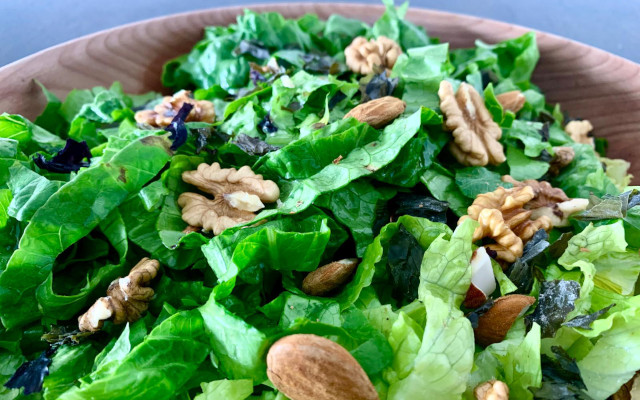
The lettuce (Lactuca sativa L.) represents a central resource of Italian fruit and vegetable sector, able to combine a solid economic value with a biochemical profile of great interest for health. Often considered a simple low-calorie food, this herbaceous plant contains a complexity of bioactive compounds whose distribution varies significantly among different cultivars. The analysis of the Italian supply chain highlights its technological evolution and ability to meet modern nutritional needs.
History and botanical evolution from origins to Renaissance cookbooks
Lettuce cultivation – derived in its earliest forms from the wild species Lactuca serriola, native to the Mediterranean area and Western Asia – was already known to the Egyptians over 4,000 years ago. In ancient Egypt it was associated with Min, fertility deity, probably due to the presence of white latex, emitted from the cut stem, which earned it the Latin name Lactuca, from the term milk (milk).
Pliny the Elder describes various varieties in Naturalis Historia, attributing digestive and calming properties to the vegetable. A well-known Roman legend tells that Emperor Augustus, healed from a serious illness thanks to the regular consumption of lettuce, had a commemorative statue erected for it. In the Medieval period the cultivation remained present in European monastic and peasant gardens, until it became one of the symbolic vegetables of modern Mediterranean cuisine.
Already in the 15th and 16th centuries Italian and Flemish merchants spread the head varieties in Northern Europe, while in the Renaissance Italian cookbooks carefully distinguished butterhead lettuce from romaine and gentile — types that are still found on the stalls of farmers' markets and large-scale retail trade.
Characteristics of the main Italian commercial varieties
Lettuce belongs to the family of . It is an annual herbaceous plant characterized by leaves arranged in a rosette with shapes, colors, and textures extremely variable depending on the varietal type. The main Italian commercial types include:. It is an annual herbaceous plant characterized by leaves arranged in a rosette with extremely variable shapes, colors and consistencies depending on the varietal type. The main Italian commercial typologies include:
- romaine (Cos): elongated, crunchy leaves, rich in folate and carotenoids; also excellent grilled;
- butterhead: compact head, tender leaves, delicate flavour; the most cultivated in greenhouses in Campania and Lazio in winter;
- iceberg: very compact variant, leader in retail and fresh-cut sales (Plantgest, 2021);
- gentilina e baby lettuce: soft and wavy leaves, short cycle, suitable for scalar production;
- blond and red Lollo: characteristic wrinkling of the leaves, high concentration of anthocyanins in the red variety;
- baby leaf for cutting: multi-variant mix for fresh-cut produce, continuous production both in open fields and in vertical farming.
The content of bioactive compounds varies significantly according to the color leaf color: red or dark green leaf varieties are generally richer in polyphenols, anthocyanins, and carotenoids compared to light varieties (Kim et al., 2016; Shi et al., 2022).
Lettuce prefers cool temperate climates. High temperature and water stress promote bolting (bolting) and the accumulation of bitter compounds (lactucin, lactucopicrin). In Italy availability is practically year-round thanks to the combination of open field and greenhouse crops, with excellent productions in the spring and autumn seasons.
Economic trend of the supply chain and export growth
Fruit and vegetables represent one of the pillars of the Italian agri-food sector. According to ISMEA, in the first eleven months of 2025 agri-food exports grew by 5%, reaching nearly 67 billion euros, with an annual projection of around 73 billion — a new historic record for Made in Italy agri-food (ISMEA, 2026). The fresh vegetables registered in 2025 an increase in domestic consumption of +2.9%.
On the side offruit and vegetables, the CSO Italy 2025 Report highlights retail purchases amounting to 5.45 million tons (+5% compared to 2024) for a total value of 13.77 billion euros (+7%). The exports Italian fresh fruit and vegetable products reach 6.7 billion euros (+11%), with organic in strong acceleration: +13% in volume and +14% in value, exceeding 593,000 tons and 1.45 billion euros (CSO Italy, 2026).
The lettuce is one of the main Italian vegetable crops. ISTAT data relating to open field and protected cultivation indicate over 500,000 tons annually of salads (lettuce and related) on about 20,000 total hectares, with production concentrated in Apulia, Lazio, Campania and Sicily for open field, and Lazio, Campania and Veneto for protected cultivation (ISTAT, 2020; Plantgest, 2021). Winter greenhouse production particularly feeds the export towards Germany, Austria and Switzerland, primary destinations of the iceberg and Campanian and Lazian cabbage.
The segment of IV range (ready-to-eat salads) continues to represent one of the growing outlets for the lettuce supply chain, thanks to the structural demand for fresh and ready products, driven by changes in family eating habits.
Cultivation areas and agronomic transition challenges
The main Italian production areas in Italy include Veneto, Lazio, Campania, Apulia, Sicily and Emilia-Romagna. The crop requires fertile, well-drained soils rich in organic matter. Productions from Southern Italy ensure harvests in winter months due to mild temperatures, while Northern areas offer high quality in cooler seasons.
From an agronomic point of view, lettuce presents critical issues related tohigh water demand, vulnerability to climatic stress, pressure from fungal pathogens (in particular Bremia lactucae, the agent of downy mildew, currently present with over 36 different races) and bacterial ones, as well as possible nitrate accumulation under intensive cultivation or low light conditions.
The most common sustainable practices today include drip irrigation and precision fertigation, reduction of nitrogen inputs, integrated biological control, use of efficient greenhouses, crop rotations and organic farming.
Nutritional profile and distribution of antioxidant compounds
According to the CREA Food Composition Tables (2019), 100 grams of fresh butterhead lettuce provide on average:
- water: 92.2 g;
- energy value: 22 kcal;
- proteins: 1.5 g;
- lipids: 0.2 g;
- carbohydrates: 3 g, of which sugars 3 g
- dietary fiber: 1.3 g.
From the micronutrient perspective, lettuce is rich in vitamin A: 237 μg per 100 grams of product, equal to 30% of the Reference Nutritional Value (800 μg) indicated in Annex XIII of Regulation (EU) No. 1169/11.
The profile varies significantly by variety type. The romaine lettuce and red leaf varieties have a higher folate content — with levels comparable to other leafy sources — and phenolic compounds, while iceberg lettuce is relatively poor in micronutrients and bioactive compounds (Kim et al., 2016). The red varieties contain anthocyanins (cyanidin-3-glucoside, cyanidin-3-6”-malonylglucoside) found exclusively in pigmented leaves (Llorach et al., 2008).
Among the bioactive compounds of greatest nutritional interest are distinguished:
- polyphenols: chlorogenic, caffeic, chicoric acids and flavonoids (luteolin, quercetin), with higher concentrations in red and dark green varieties;
- carotenoids: β-carotene, lutein and zeaxanthin, fat-soluble and with antioxidant action;
- natural nitrates: substances having a physiological role in vascular modulation.
Scientific evidence on cardiovascular benefits and neuroprotection
The scientific literature of recent years has deepened the contribution of lettuce to health, confirming and expanding the properties attributed to this vegetable. Although the relevance of studies has not been evaluated by EFSA (European Food Safety Authority) for the authorization of specific 'health claims', it is interesting to observe the results.
Antioxidant and anti-inflammatory effects
Red and dark green leaf varieties have significant concentrations of flavonoids and phenolic acids associated with the reduction of oxidative stress. Shi et al. (2022) documented, on 50 varieties, that red lettuces show a markedly higher antioxidant capacity than green ones, with a prevalence of chlorogenic, chicoric, and isochlorogenic acids. Studies in vitro e in vivo highlight anti-inflammatory, cholesterol-lowering, and antidiabetic activities attributable to the bioactive compounds of lettuce (Kim et al., 2016).
Cardiovascular health
I natural nitrates present in leafy vegetables — including lettuce — have been associated with reduced blood pressure and cardioprotective effects through the nitrate–nitrite–nitric oxide metabolic pathway. Bondonno et al. (2021), in a prospective study on a large Danish cohort, found an inverse association between plant nitrate intake and incidence of cardiovascular disease, independent of other risk factors. Jackson et al. (2019) confirmed similar associations in an Australian cohort of women ofmiddle age followed for 15 years.
Lutein, zeaxanthin and ocular and cognitive health
Lettuce, particularly the Roman variety, contains lutein and zeaxanthin, carotenoids selectively accumulated in the retinal macula. A 2024 review documents the protective role of these compounds in eye health (prevention of age-related macular degeneration) and cognitive function, with an inverse association between serum levels and dementia incidence (Tekgul & Çakıroğlu, 2024).
Intestinal health
The dietary fibers contribute to intestinal function and microbiota maintenance, with documented prebiotic effects for the soluble fractions present in the leaves.
Neuroprotective effects
Shi et al. (2022) report that the phenolic extract of Roman lettuce exerts neuroprotective effects in vitro on PC-12 cells subjected to oxidative damage, with particular importance of isochlorogenic acid.
Nitrates and safety
Leafy vegetables can accumulate nitrates, especially in intensive cultivation and low light conditions. EFSA (2008) concluded that ordinary consumption of lettuce as part of a varied diet generally does not pose a risk to the adult population, and that the cardiovascular benefits of vegetable nitrates outweigh the potential risks associated with nitrosamines for the vast majority of consumers.
Consumption methods and enhancement of outer leaves
Lettuce is mainly consumed raw, but some varieties — particularly romaine — are excellently suited to cooked preparations: grilled, sautéed, or in purees. Among the most common uses are mixed salads, sandwiches and burgers, vegetable rolls, green juices and smoothies, soups, and sautéed side dishes. In the fresh-cut sector, lettuce is the main raw material for ready-to-eat salads, with multivariate packaging growing strongly in the retail sector.
An often overlooked aspect: the outer leaves which are greener and darker, often discarded by consumers, are the richest in polyphenols, chlorophyll, and carotenoids. Their use in cooking — also in extracts and smoothies — maximizes the intake of bioactive compounds.
Guide to conscious choice and consumption
To enhance nutritional quality and food safety, it is appropriate to:
- prefer lettuces fresh, firm and in season;
- favor certified organic products, which reduce exposure to pesticide residues in a vegetable mostly consumed raw;
- choose local productions and short supply chains;
- do not discard the more pigmented outer leaves, the richest in beneficial compounds;
- vary among types: alternate romaine, butter lettuce, lollo rosso and iceberg to maximize micronutrient diversity.
Conclusions
The future of the lettuce supply chain in Italy is closely linked to the ability to combine agronomic innovation with the protection of environmental resources, particularly through water management and the reduction of chemical inputs. For the consumer, understanding the value contained in the different varieties and in the less noble parts of the head represents a tool for health and waste reduction. Choosing local and certified organic products remains the preferred way to support an agri-food systemresilient and quality.
Dario Dongo
Credit cover Dario Dongo
Bibliography
- Bondonno, C. P., Dalgaard, F., Blekkenhorst, L. C., Murray, K., Lewis, J. R., Croft, K. D., Kyrø, C., Torp-Pedersen, C., Gislason, G., Tjønneland, A., Overvad, K., Bondonno, N. P., & Hodgson, J. M. (2021). Vegetable nitrate intake, blood pressure and incident cardiovascular disease: Danish Diet, Cancer, and Health Study. European Journal of Epidemiology, 36(8), 813–825. https://doi.org/10.1007/s10654-021-00747-3
- Bunning, M. L., Kendall, P. A., Stone, M. B., Stonaker, F. H., & Stushnoff, C. (2010). Effects of seasonal variation on sensory properties and total phenolic content of 5 lettuce cultivars. Journal of food science, 75(3), S156–S161. https://doi.org/10.1111/j.1750-3841.2010.01533.x
- CREA (2019). Food composition tables – lettuce, cabbage, freshCouncil for Agricultural Research and Economics Analysis. https://www.alimentinutrizione.it/tabelle-nutrizionali/005420
- CSO Italy. (March 6, 2026). Fruit and vegetable consumption report 2025Ferrara: Fruit and Vegetable Services Center. https://www.csoservizi.com/report-cso-italy-2025-ritorno-alla-crescita-della-domanda-di-ortofrutta/
- European Food Safety Authority (EFSA). (2008). Nitrate in vegetables: Scientific opinion of the Panel on Contaminants in the Food Chain. EFSA Journal, 689, 1–79. https://doi.org/10.2903/j.efsa.2008.689
- ISMEA. (2026). AgriMarkets – Q3 2025: the value of Italian agri-food and exports grow, with a new record towards 73 billionRome: Institute of Services for the Agricultural Food Market. https://www.ismea.it/flex/cm/pages/ServeBLOB.php/L/IT/IDPagina/13544
- Jackson, J. K., Patterson, A. J., MacDonald-Wicks, L. K., Forder, P. M., Blekkenhorst, L. C., Bondonno, C. P., Hodgson, J. M., Ward, N. C., Holder, C., Oldmeadow, C., Byles, J. E., & McEvoy, M. A. (2019). Vegetable nitrate intakes are associated with reduced self-reported cardiovascular-related complications within a representative sample of middle-aged Australian women, prospectively followed up for 15 years. Nutrients, 11(2), 240. https://doi.org/10.3390/nu11020240
- Kim, M. J., Moon, Y., Tou, J. C., Mou, B., & Waterland, N. L. (2016). Nutritional value, bioactive compounds and health benefits of lettuce (Lactuca sativa L.). Journal of Food Composition and Analysis, 49, 19–34. https://doi.org/10.1016/j.jfca.2016.03.004
- Llorach, R., Martínez-Sánchez, A., Tomás-Barberán, F. A., Gil, M. I., & Ferreres, F. (2008). Characterisation of polyphenols and antioxidant properties of five lettuce varieties and escarole. Food chemistry, 108(3), 1028–1038. https://doi.org/10.1016/j.foodchem.2007.11.032
- Santamaria, P. (2006). Nitrate in vegetables: Toxicity, content, intake and EC regulation. Journal of the Science of Food and Agriculture, 86(1), 10–17. https://doi.org/10.1002/jsfa.2351
- Shi, M., Loftus, H., McAinch, A. J., & Su, X. Q. (2022). Phytochemicals, nutrition, metabolism, bioavailability, and health benefits in lettuce — A comprehensive review. Antioxidants, 11(6), 1158. https://doi.org/10.3390/antiox11061158
- Tekgul, N., & Çakıroğlu, F. P. (2024). An overview on the effects of some carotenoids on health: Lutein and zeaxanthin. Current Nutrition Reports, 13(4), 828–844. https://doi.org/10.1007/s13668-024-00579-z

Dario Dongo, lawyer and journalist, PhD in international food law, founder of WIISE (FARE - GIFT – Food Times) and Égalité.


