

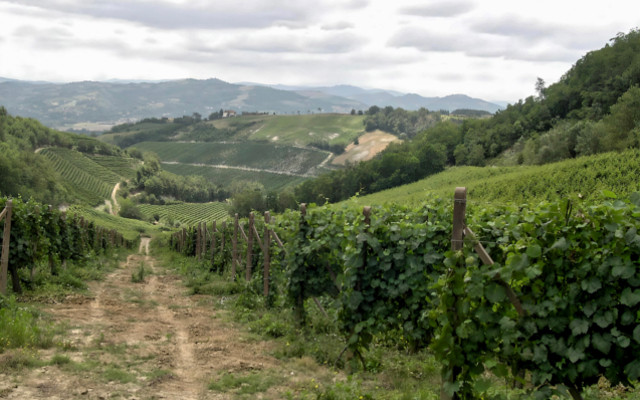
In the heart of the renowned wine region of Piedmont (North-West Italy) is located Brachetto d’Acqui DOCG, a sparkling red and rosé wine that fascinates with its charm unique and a history steeped in legends. This delightful wine, celebrated mainly for its character fresh, aromatic e , often sparkling, is born from the picturesque hills surrounding Acqui Terme.
A versatile choice for various occasions and a testament to the rich Italian wine heritage, thanks to its distinctive bouquet of rose petals and wild berriesThe prestigious status of Controlled and Guaranteed Designation of Origin (DOCG ) elevates the Brachetto d’Acqui as a symbol of quality and authenticity in the Italian wine landscape, with a subtle charm that deserves further exploration.
Following are the origins, the terroir, the winemaking practices and the global potential of this native Italian wine, with some advice for international buyers and lovers of unique wines.
1. Echoes of antiquity: at the origins of Brachetto d’Acqui
1.1. The legend of Vinum Acquense
The history of Brachetto d’Acqui is intertwined with fascinating legends dating back to ancient Rome. One of the most enduring narratives links this Piedmont wine to Vinum Acquense, a wine from the Acqui area praised by Roman writers for its sweet flavors and intense aromas.
The legend says that this wine was a favorite of Cleopatra, with stories suggesting that Julius Caesar and Mark Antony gave her amphorae of Vinum Acquense as a gift, believing it possessed aphrodisiac qualities. This romantic association has persisted over the centuries, contributing to the modern reputation of Brachetto d’Acqui as a wine often enjoyed on Valentine's Day.
1.2. Brachetto in the modern era
Although the romantic charm of its ancient past is undeniable, the precise origin of the Brachetto grape variety is firmly rooted in Piedmont, with the hills of Monferrato and the Langa area of Asti being its probable cradle. This indigenous status emphasizes the deep bond of Brachetto d’Acqui with the Piedmontese terroir.
Continuing through history, Brachetto d’Acqui appears in the annals of Italian culture through its association with Commedia dell’arte, a popular form of Italian theater between the 16th and 18th centuries. It is said that the masked character Gianduja, symbol of Turin and Piedmont, preferred Brachetto d’Acqui over any other wine.
In the 19th century, the naturalist Gallesio described Brachetto as a 'celebrated wine', noting its suitability for desserts and its popularity in South American markets, indicating an appeal broader than its production area. Later, in 1922, Garino Canina provided a more scientific classification of the wine.
1.3. Darkness and temporary rebirth
Historical sources also indicate the existence of wine Dry Brachetto already in 1873, appreciated both as aperitifs and as accompaniment to meals. This lesser-known but significant aspect of the history of Brachetto further illustrates the versatility and the potential of the grape variety, which remains underutilized despite its rich heritage.
Despite historical references, Brachetto d’Acqui has experienced a long period of relative obscurity, mainly due to poor promotion that limited its spread beyond local markets. A significant revival occurred in the mid-20th century, thanks to the introduction of Brachetto sparkling with the Martinotti-Charmat method.
However, this recovery proved temporary. In recent decades, limited investments in marketing and promotion have again hindered the visibility of Brachetto, preventing it from firmly establishing itself in the broader wine market.
2. Where the magic is born: the terroir of Brachetto d’Acqui
The unique character of Brachetto d’Acqui DOCG is deeply connected to terroir specific to its production area, located in the southeastern part of Piedmont. The DOCG area includes the hills ofHigh Monferrato, extending over 26 municipalities. Eight of these are located in the province of Alessandria, including the main wine centers of Acqui Terme and Strevi, while the remaining 18 are in the province of Asti. These geographical boundaries are strictly defined by the DOCG regulations, emphasizing the importance of this specific area for the production of true Brachetto d’Acqui.
The climate of this region is continental, typical of the foothill areas of the Alps, characterized by harsh winters, hot summers, and mild springs and autumns. A crucial factor for the quality of Brachetto grapes is the significant temperature excursion between day and night, known as diurnal temperature variation. This variation is essential because it ensures that the grapes reach a sugar content optimal during the hot days, maintaining theacidity and developing complex aromatic compounds during the cooler nights. This climatic condition plays a vital role in the characteristic balance between sweetness and freshness of Brachetto d’Acqui.
The composition of the soil of the production area of Brachetto d’Acqui is another critical element of its terroir. The area belongs to the Tertiary era and is mainly composed of marine sediments, resulting in clayey calcareous and marly soils rich in limestone. These soil types are considered particularly suitable for the Brachetto grape variety, contributing to the elegance of the wine and the development of its distinctive aromatic profile.
Within the DOCG, there are different soil variants, including soils white rich in limestone that tend to produce very fine and elegant wines, soils red which contribute to body, color, and alcohol content, and soils sandy that enhance fragrant aromas. The regulations specify that only vineyards grown on soils mainly composed of calcareous clay and marl are considered suitable for the production of Brachetto d’Acqui.
The topography of the region, with its vineyards located among the gentle hills of the Alto Monferrato, and the presence of the valleys of the Bormida and Belbo rivers also contribute to local microclimatesThese geographical features can create variations in temperature, sun exposure, and air circulation within the DOCG, further influencing the development of the grapes and the nuances of the resulting wines. It is also noteworthy that the production area of Brachetto d’Acqui partially overlaps with the renowned Asti DOCG area, an area also famous for its aromatic winessuggesting shared favorable environmental factors for these grape varieties. Furthermore, the Langhe-Roero and Monferrato area, which includes the Brachetto d’Acqui zone, has been recognized as UNESCO World Heritage Site in 2014, a testament to the cultural and viticultural importance of this landscape. The intricate interplay between geography, climate, and soil composition in the Brachetto d’Acqui DOCG creates a unique terroir, fundamental to the distinctive character of this wine.
3. A feast for the senses: the organoleptic profile of Brachetto d’Acqui
3.1. Visual examination and aromatic identity
The Brachetto d’Acqui DOCG offers a delightful sensory experience, characterized by a lively appearance, fragrant aromas, and fresh flavors. Visually, the wine typically presents a color ruby red clear and bright, often accompanied by lively and persistent effervescence in sparkling versions. This attractive color and its bubbles contribute to its overall charm.
The aromatic profile of Brachetto d’Acqui is one of its most distinctive features. The bouquet is intensely fragrant, dominated by prominent notes of fresh rose petals and a blend of ripe berriesincluding strawberries, raspberries, and cherries. There is often also a characteristic musky undertonewhich adds an additional level of complexity to the aroma.
Some expressions of Brachetto d'Acqui may also show light hints of honey and balsamic herbs, further enriching its aromatic complexity. These aromas are a direct reflection of the aromatic nature of the Brachetto grape itself.
3.2. Sensory profile
On the palate, Brachetto d’Acqui is typically sweet (except in dry versions) and wonderfully fresh. The fruity notes perceived on the nose harmoniously translate into the taste profile, creating a balanced and pleasant experience. A key feature is the presence of a lively acidity that perfectly balances the intrinsic sweetness of the non-dry wine, contributing to its taste balance.
When compared with other Italian aromatic wines such as Moscato d’Asti, Brachetto d’Acqui shares thearomatic intensity and in some cases a certain degree of sweetness. Its distinctive red color or pink and the specific notes of rose petals and wild berries however distinguish it, offering a unique sensory profile in the panorama of Italian aromatic wines.
Some tasters describe a texture silky and a pleasant aftertaste persistent of small red fruits. In the sparkling and spumante versions, the effervescence, from delicate to pronounced, adds an additional dimension to the sensory experience, enhancing its freshness. For the Passito , less common, the organoleptic profile is richer and more concentrated, with the potential to develop tertiary aromas such as vanilla and toast, along with intense sweet fruit flavors.
Another remarkable aspect of Brachetto d’Acqui is its generally low alcohol content, typically between 5% and 7% ABV for sparkling wines. This lower alcohol level makes it a lighter and more accessible option compared to many other red wines, contributing to its appeal as a dessert wine or refreshing drink for various occasions.
4. The mark of distinction: production, exclusivity and DOCG standards
The production of Brachetto d’Acqui DOCG is regulated by strict rules that emphasize the denomination's commitment to quality and the unique characteristics of the wine. A fundamental requirement is that Brachetto d’Acqui must be produced using Brachetto grapes 100%, harvested with a maximum yield specified by the DOCG regulations (8 tons per hectare).
The DOCG also establishes minimum alcohol levels for the finished wines. For the frizzante style, the minimum alcohol content is 5%, while for the spumante it is 6%. To reach these levels, the grapes used must achieve a minimum alcohol potential, indicating sufficient ripeness. For the frizzante, this is at least 11.5%, and for the spumante, 12% (corresponding to a sugar level in Brix between 21-22°). These regulations ensure that the grapes have reached an adequate level of ripeness to produce wines with the desired alcohol and taste profiles.
The main production method for Brachetto d’Acqui DOCG, especially for the frizzante versions that make up the majority of production, is the Martinotti-Charmat method, which involves a secondary fermentation of the base wine in an autoclave (pressurized stainless steel tanks). This method is favored for its ability to preserve the fresh and fruity aromas of the Brachetto grape. Some producers also use a 'short Charmat'. For Brachetto d’Acqui spumante, the secondary fermentation process cannot last less than one month, including a maturation phase in the bottle.
A less common but highly appreciated style is the Brachetto d’Acqui Passito DOCG, a dessert wine from dried grapes. The production of Passito involves drying Brachetto grapes in the open air until reaching a minimum alcohol potential (15.5%). The resulting syrupy must undergoes a slow fermentation that can last several months. The finished Passito wine must reach a minimum alcohol content (11%) and is generally aged for at least nine months before commercialization, usually from October 1 of the year following the harvest. Due to the laborious nature and prolonged production times, Passito also represents a minor portion of the total Brachetto d’Acqui production.
The DOCG zone of Brachetto d’Acqui is geographically limited, as it includes a total of 26 municipalities between the provinces of Asti and Alessandria, with a registered vineyard area of nearly 1,000 hectares. The average production recent production was about two million liters, or 225,000 cases per year. The vineyards are cultivated by a significant number of winegrowers, with an average vineyard area of about 1.8 hectares each, suggesting a relatively fragmented landscape of small producers.
5. Guardians of heritage: the Geographical Indication and its recognition
The status of Controlled and Guaranteed Designation of Origin (DOCG) conferred to Brachetto d’Acqui in 1996 represents the highest level of recognition for Italian wines, emphasizing a strong link between the quality of the wine and its specific geographical origin. Before this, the area was recognized as a Controlled Designation of Origin (DOC) since 1969. This progression to DOCG status highlights a commitment to maintaining and improving the quality standards of Brachetto d’Acqui.
The Italian regulatory framework provides a robust system to protect geographical indications such as Brachetto d’Acqui. The regulations DOCG define theproduction area precise, the only grape variety allowed (Brachetto), the maximum yields limits of grapes, minimum alcohol levels, and specific winemaking practices to follow. These regulations are binding and aim to safeguard the authenticity and reputation of the wine, preventing imitations and ensuring that consumers can trust the quality and origin of any wine bearing the Brachetto d’Acqui DOCG label.
The limited and precisely defined production area, which includes specific municipalities in the provinces of Alessandria and Asti, reinforces theexclusivity and the nature linked to the terroir of Brachetto d’Acqui. This restricted area ensures that only wines produced within these designated boundaries and meeting the strict DOCG requirements can bear the name of the denomination. In 2017, the range of wines protected under the label was expanded with the introduction of the denomination Acqui Rosé DOCG, dry or brut, further recognizing the potential of the Brachetto grape variety for different expressions.
6. Tradition and innovation: winemaking practices in Brachetto d’Acqui vinification
The winemaking practices for Brachetto d’Acqui DOCG represent a mix of established traditions and modern innovations, all aimed at enhancing the unique characteristics of the Brachetto grape. Traditionally, Brachetto d’Acqui was known as a sweet and sparkling red wine, a style appreciated in the Piedmont region for centuries. This historical approach has laid the foundation for the wine's current reputation.
The dominant modern technique for producing Brachetto d’Acqui, especially for the frizzante versions most widespread, is the method Charmat (Martinotti-Charmat). This process allows precise temperature control, crucial to preserving the delicate and fresh fruity and floral aromas of the Brachetto grape. For sparkling Brachetto d’Acqui, the secondary fermentation, which includes a period of bottle aging, ensures the development of a perlage fine and persistent.
Testifying to the versatility of the Brachetto grape is the production of Brachetto d’Acqui Passito, a dessert wine made from dried grapes. This style involves a careful selection of mature Brachetto clusters and their drying in open air after harvest. This drying process concentrates sugars and flavors in the grapes. The resulting must, very sweet and concentrated, undergoes a slow fermentation and often prolonged. The finished Passito wine is typically rich, sweet, and velvety, with complex tertiary aromas such as vanilla and roasting that develop during the mandatory aging period of at least nine months.
Interestingly, historical sources indicate that the dry Brachetto wines, including both still and slightly sparkling versions, were known and appreciated in the Monferrato area as early as the late 19th and early 20th centuries. This tradition has seen a recent revival, with producers re-exploring the potential of the Brachetto grape to produce wines with limited residual sugars. The Acqui DOCG Rosé Spumante, introduced in 2017, represents another innovative approach, offering a rosé expression of Brachetto with various levels of sweetness, from extra brut to demi-sec. The production of these rosé and red styles often involves a careful selection of the grape clusters the healthiest and a very gentle pressing to obtain the highest quality juice.
Although the Charmat method is the most common for sparkling Brachetto, some producers also carry out the second fermentation in the bottle, although this practice is less common. The winemaking practices in the Brachetto d’Acqui DOCG therefore show a dynamic interaction between traditional methods and modern techniques, continually evolving to best express the unique character of the Brachetto grape.
7. Navigating the global market: considerations on export and the potential of Brachetto d’Acqui
Although Brachetto d’Acqui DOCG enjoys considerable popularity in Italy, its presence on the global market is still developing. Current data indicate that most of its consumption occurs nationally, with about 30% of production exported to USA and another 10% distributed among Europe (e.g. Switzerland, Denmark, Netherlands) and some markets in Asia. This distribution suggests that, although Brachetto d’Acqui has established a presence in some international markets, there is a significant potential for a further expansion.
The United States represents a particularly important export market for Brachetto d’Acqui. This suggests that American consumers have shown appreciation for its unique characteristics, and targeted marketing and distribution efforts could further consolidate and expand its presence in this key region. For international importers interested in marketing Brachetto d’Acqui, several aspects should be highlighted. Its distinctive aromatic profile, with prominent notes of rose and berries, offers a unique sensory experience that can attract consumers looking for something different from traditional red wines. The low alcohol content can be a significant strength, especially for health-conscious consumers and those seeking lighter options.
Moreover, its versatility as an aperitif and dessert wine, particularly paired with fruit and chocolate, makes it an attractive choice for various occasions. The charming historical connections and the romantic legends associated with Brachetto d’Acqui can also be leveraged to create a compelling narrative for consumers.
When compared to other Italian sparkling wines such as Moscato d’Asti, Brachetto d’Acqui shares thearomatic intensity and often a certain degree of sweetness, but offers a unique red fruity that can differentiate it in the market. Effective branding and storytelling emphasizing Piedmontese heritage and the legends linked to its history will be crucial to create an emotional connection with international consumers. The newest styles, such as Acqui DOCG Rosé Spumante, unique aromatic rosé sparkling wine in Italy, also have the potential to attract a wider global audience. The alignment of the typical Brachetto d’Acqui style with the growing market trend towards fresh red wines served chilled represents a significant opportunity for producers and exporters to capitalize on this consumer preference.
8. Tips for international buyers
For the international buyers, especially those from China, who wish to import Brachetto d’Acqui DOCG wines, it is essential to consider the following aspects:
- authenticity. Ensure that suppliers are members of the Brachetto d’Acqui DOCG Consortium, guaranteeing compliance with production standards;
- producersEvaluate the reputation of producers, favoring those with a history of quality and innovation;
- traceabilityIdentify wines with clear labels and traceability to ensure transparency 'from vineyard to bottle';
- awardsFavor wines that have received awards in international and national competitions, such as The Wine Hunter Award, Merano Wine Festival, Vini Buoni d’Italia (Touring Club Italiano);
- sustainabilitySupport producers who practice organic and regenerative agriculture, valuing low yields per hectare and good agricultural practices to enhance soil fertility, as well as the use of mechanical practices that replace chemical weeding.
Our GIFT team (Great Italian Food Trade) is specialized in connecting international buyers with certified and reliable suppliers. We guarantee access to partners committed to the highest standards of authentically Italian quality, traceability, and sustainability.
9. A promising horizon: the global positioning and future of Brachetto d'Acqui
Summarizing the collected information, Brachetto d’Acqui DOCG holds a unique and attractive position in the global wine market. It stands out as a distinctive Italian red wine, sweet or dry and always aromatic, often sparkling, with a history rich and fascinating. Although it does not yet have the diffusion of other Italian red wines, its unique profile presents significant growth opportunities.
The potential for sustainable growth of Brachetto d’Acqui appears promising. The growing global interest in wines with less alcohol and more freshness aligns well with its intrinsic characteristics. Quality assurance and the development of innovative styles, such as Acqui DOCG Rosé Spumante, show a willingness to innovate and meet evolving consumer preferences.
Strengthening its brand identity, emphasizing the unique aromatic profile, the historical narrative rooted in ancient legends and Piedmontese heritage, can create a more compelling image also for international consumers. In conclusion, the Brachetto d’Acqui DOCG, with its delightful sensory profile and captivating history, has a promising horizon and the potential to further captivate wine lovers around the world.
10. Conclusions
The Brachetto d’Acqui DOCG is a testament to the rich Italian winemaking tapestry, offering a unique expression and authentic of the terroir Piedmontese. Its journey through history, from the legendary Vinum Acquense to modern sparkling and still forms, both red and rosé, shows its enduring charm. The strict DOCG regulations, along with the dedication of its small producers, ensure a commitment to quality and authenticity.
Although it is mainly appreciated nationally and in some export markets, the distinctive aromatic profile of Brachetto d’Acqui, its generally low alcohol content, and the growing global interest in the freshness of aromatic wines position it for promising growth.
Thecontinuous innovation in oenology, particularly with the development of different styles, and strategic marketing that leverages its unique history and the sensory attributes will be fundamental to unlocking its full potential on the global stage. Brachetto d’Acqui is more than just a wine; it is a celebration of Piedmont’s heritage, a sensory pleasure, and a wine with a captivating story waiting to be discovered by wine enthusiasts worldwide.
Dario Dongo
Cover image: GIFT (Great Italian Food Trade)
References
- Ministry of Agricultural, Food and Forestry Policies (2017). Register of grape varieties. Production regulations for DOCG wines ‘Brachetto d’Acqui or ‘Acqui’. https://tinyurl.com/4c6p3wd8
- The Legend of Brachetto. Consorzio Tutela Brachetto d’Acqui DOCG. https://tinyurl.com/2tf6wk2m
- Brachetto d’Acqui DOCG. Wine and Travel Italy. https://tinyurl.com/2wpkmepe
- Sunday Sips: Brachetto d’Acqui – A Treat from Piedmont. Avvinare. https://tinyurl.com/4ymd8kx8

Dario Dongo, lawyer and journalist, PhD in international food law, founder of WIISE (FARE - GIFT - Food Times) and Égalité.


