

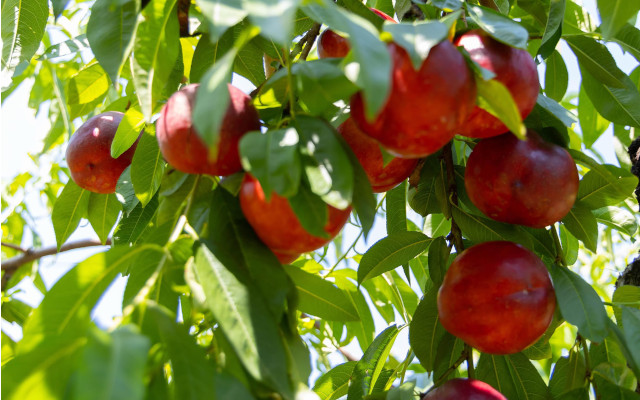
The peaches (Prunus persica L. Batsch) Italian are the emblem of the Mediterranean summer and a global excellence, yet the supply chain is currently at a crossroads. Beyond the productive resilience recorded in the last campaign, compared to European competitors, the sector faces a structural hemorrhage that has almost halved national orchards over twenty years.
The safeguarding of this agri-food heritage today plays out on two decisive fronts: physical tools to protect trees from climate anomalies and the enhancement of organic farming and Protected Geographical Indication (PGI) systems. The development of research on health benefits and the circular economy could also be useful.
Italian peaches in the context of the European market
TheItaly is the second producer of peaches and nectarines in the European Union, after Spain. The Eurostat data for 2024 confirm the concentration of the sector: Spain (37%), Italy (33%) and Greece (21%) together accounted for 91% of EU peach production, with an Italian harvest growing by 2% compared to 2023 (Eurostat, 2025).
In the campaign 2025 Italy was the only major European player not to suffer a contraction in the harvest: the Italian production of peaches, nectarines and clingstone peaches is estimated at around 930,000 tons, a slight increase (+0.5%) compared to 2024. The overall European supply instead fell to about 3.2 million tons (-7% compared to 2024, -5% compared to 2023), penalized by frost, rain and hail during flowering which affected Spain (about 1.4 million tons, -5%), Greece (about 600,000 tons, -19% for peaches and nectarines) and France (about 236,000 tons) (ISMEA, 2025a).
USDA projections for the campaign 2025/26 indicate a declining EU area for peaches and nectarines, around 182,500 hectares, for a production of about 3.1 million tons (USDA FAS, 2025).
Foreign trade flows and price dynamics at origin
2024 marked a clear recovery of ItalianItalian export: about 118,000 tons (+37% over 2023) for a value of almost 161 million euros (+26%), with a trade balance positive for 13.4 million euros. The nectarines account for 69% of exports, peaches 27% and flat peaches 4%; the main markets are Germany, France, Austria, Switzerland and the United Kingdom (ISMEA, 2025a). In 2025 exports to European markets continued at a sustained pace and higher prices, helped by the lower Spanish and Greek supply: the trade balance remains widely positive in volume and value.
On the front of prices at origin, the first part of the 2025 campaign was characterized by rising prices: for yellow-flesh peaches, in July 2025 the national average price stood around 0.95 euro/kg, 12% more than July 2024 and 7% more than the average of the 2022-2024 three-year period (ISMEA, 2025a).
The twenty-year balance of the areas and the new purchasing habits
The surface dedicated to Italian peach growing is in structural contraction. ISTAT data 2024 indicate a total national area (production plants and non-production) of about 55,130 hectares — 69% peaches and percoche, 31% nectarines — of which about 53,900 are actually in production; the figure is down 1.8% from 2023 and 5.7% from 2021 (ISMEA, 2025a). The long-term outlook is even clearer: the area of peaches and nectarines was about 93,500 hectares in 2006. Considering the only peach tree strictly speaking, the cultivated hectares decreased from 64,553 in 2003 to 36,692 in 2024 (–43%), with a shift of the production center towards the South.
The supply chain remains concentrated: 60% of the harvest comes from three regions — Campania (33%), Emilia-Romagna (14%), and Sicily (13%) — with a quarter of the national area located in the province of Caserta alone. The decline is attributable to international competition, recurring late frosts, seasonal labor shortage, new plant diseases, and conversion to more profitable crops.
I consumption show strong seasonality: between June and September 90% of annual purchases are concentrated. The share of product packaged, risen to 26% of sales in 2024 (it was 21% in 2020); in 2025 household spending increased by 4%, driven by higher average retail prices (ISMEA, 2025a).
Historical roots of the drupe, from China to the Renaissance
The eastern origins
Contrary to what the botanical name suggests Prunus persica, the peach is not of origin Persian but rather Chinese. Archaeological evidence places its domestication in China, with seeds found in Zhejiang province dating back over 7,500 years. In Taoist mythology, the peach symbolized theimmortality, associated with the legend of Xiwangmu, the Queen Mother of the West. From its original habitat, the peach migrated westward along the Silk Road, reaching Persia and then Greece around the 3rd century BC.
It was the Romans who spread its cultivation in Europe, giving it a name recalling its supposed Persian origin. Pliny the Elder, in the Naturalis Historia, documents its presence in Italy as early as the 1st century AD; a fresco from Herculaneum, now housed in the National Archaeological Museum of Naples, attests to its cultivation in Vesuvian gardens.
From Carolingian monasteries to Medici Florence
After the fall of the Roman Empire, Charlemagne promoted its spread in the monastic gardens of his empire, and in the Middle Ages France became a second center for diversification of the species. By the 16th century, several varieties were cultivated in the urban gardens of Tuscany: the family Medici enriched the diversity of the peach by acquiring cuttings from various European courts to cultivate them in Boboli Gardens in Florence.
The birth of modern peach cultivation
Italian industrial peach growing was born in theNineteenth century. In 1813, the Swiss agronomist Benjamin Crud introduced new cultivation systems on a local estate, gathering experiences in one of the first modern Italian agronomy treatises (Perulli, 2024). Massa Lombarda (Ravenna, Emilia-Romagna) was one of the first centers of specialized fruit growing, thanks to the synergy between research and enterprise favored by the establishment of a Traveling Chair of Agriculture in Ravenna in 1903 (Perulli, 2024).
in 1926 the founding of the Massalombarda S.A., the first company dedicated to fruit processing, initiated the industrialization of the sector: that year local production reached 800 tons, exported throughout Europe. The crisis of 1929 and the competition from more transport-resistant Californian varieties, such as the ‘Chinese Cling’, however marked the decline of local cultivars: the ‘Buco Incavato’, once a symbol of Romagna, represented less than 1% of regional production by the mid-1950s, and in thirty years over 80% of local genetic diversity was lost.
Botanical characteristics and national harvesting calendar
The peach belongs to the family of Rosaceae, genus Prunus, section Persica. It is a tree deciduous tree, 3 to 8 meters tall, with a branched but shallow root system and finely serrated lanceolate leaves. The flowers, hermaphroditic and actinomorphic, bloom in spring (March-May) before the leaves, on one-year-old branches, with five pale pink petals and a single carpel (Flora UniUD, n.d.).
The fruit is a drupe (4-8 cm in diameter) composed of epicarp (fuzzy skin in peaches, smooth in nectarines), mesocarp (white or yellow flesh, clinging or separating from the stone) and woody endocarp. The stone contains amygdalin, a cyanogenic glycoside that upon contact with the enzyme emulsin releases hydrogen cyanide, in quantities however too low to pose a danger due to the protection of the shell.
The cultivars are classified by fuzziness of the skin (velvety peaches vs smooth nectarines), flesh color, adherence to the stone, ripening period and intended use. In addition, the following are distinguished percoche, with firm flesh for industry, and the flat (saturnine or tabacchini). The rate of varietal renewal is intense: over the last 35 years more than 3,200 cultivars have been developed worldwide.
In Italy the seasonality runs from May to October, following a geographical gradient: early varieties arrive from the South in May-June, the peak of intermediates falls in July-August, while the late varieties such as the Pesca di Leonforte IGP are harvested from September to November in Sicily.
Where Italian peaches are born: terroir, IGP and cultivation methods
Emilia-Romagna, the cradle of modern fruit growing
Emilia-Romagna is the historical heart of national peach growing. The low Romagna, defined by the Slow Food Foundation as 'the cradle of modern fruit growing', offers soils sandy and deep and a continental climate mitigated by the sea. The provinces of Ravenna, Forlì-Cesena, Rimini, Bologna and Ferrara make up the area of Pesca e Nettarina di Romagna IGP, with traditional training forms such as the 'Emilian vase' and 'wall' forms.
Sicily, mountain peaches and bagging
Sicily expresses a peculiar terroir. The Pesca di Leonforte IGP is famous for late ripening (September-November) and for the technique ofbagging: each fruit, once it reaches the size of a walnut, is wrapped on the tree in a parchment paper bag that protects it from weather agents and pests without chemical products, favoring a homogeneous ripening. The Pescabivona PDO, cultivated in the Magazzolo river basin (Agrigento, Sicily), it is distinguished by firm and fragrant white pulp, with four ecotypes covering a ripening period from June 15 to October 20.
Agronomic practices and integrated cultivation
Peach growing has shifted from 'volume' systems to 'wall' forms and to high-density high density, which improve light exposure and mechanization. Drip irrigation and fertigation are now the norm. The PDO specifications favour, whenever possible, integrated pest management integrated pest management and biological control biological control. Phytosanitary pressure is increasing: the fruit fly (Ceratitis capitata) and the oriental fruit moth (Grapholita molesta) are favoured by warming, which increases annual generations; sustainable responses include mating disruption with slow-release pheromones.
Organic production and sustainability
Theorganic farming is one of the most dynamic sectors of the Italian agri-food system. According to the ISMEA report Bio in Figures 2025, in 2024 the organic area exceeded 2.5 million hectares (+2.4% over 2023), equal to 20.2% of the Utilised Agricultural Area (UAA) nationally: Italy is approaching the 25% target set by the Farm to Fork e Biodiversity 2030, maintaining a clear lead over Spain (12.3%), Germany (11.5%) and France (9.9%) (ISMEA, 2025b). The permanent crops — fruit, vine, olive — represent 22.7% of the national organic area, reflecting the growing commitment of fruit growers to practices that protect biodiversity, soil and pollinators.
Physical protection tools and investments against frost risk
Climate change is the main challenge. Late frosts are the paradox of warming: milder winters bring earlier flowering, exposing buds and flowers to frost. Since 1990, Emilia-Romagna orchards have suffered severe and recurring losses. To respond, the Emilia-Romagna Region launched in 2024 the ‘Protected Orchards‘, with 70 million euros for hail nets, antifreeze fans and automated irrigation, aiming at 1,000 hectares of new plantations and 4,000 hectares modernized by 2026. On the genetic front, research focuses on cultivars with low chilling requirements and on biostimulants (antioxidants, silicon, calcium) that increase tolerance to frost and drought, while conservation programs protect about 500 regional varieties.
The four Italian PGI peaches
Italy boasts four European recognitions, all for Protected Geographical Indication.
1. Peach and Nectarine of Romagna PGI (Emilia-Romagna; provinces of Bologna, Forlì-Cesena, Ferrara, Ravenna, Rimini). Recognition via EC regulation no. 134/1998 and EU regulation no. 701/2010. Fruits with yellow or white flesh, round shape, minimum diameter 67 mm, red skin with yellow and orange shades, juicy and sweet flesh. It was among the first peaches to obtain PGI in Europe;
2. Peach of Verona PGI (Veneto; province of Verona). EU regulation no. 30/2010. Fruits cultivated using techniques exploiting the alluvial soils and the continental climate of the Verona area;
3. Peach of Leonforte PGI (Sicily; Enna). EU regulation no. 622/2010. Two ecotypes (White and Yellow of Leonforte), flesh adhering to the pit, late ripening. Distinctive feature: mandatory bagging of each fruit, which excludes chemical treatments;
4. Pescabivona PGI (Sicily; provinces of Agrigento and Palermo). EU regulation no. 898/2014. Peaches with white flesh non-melting, red overcolor always below 50%, four ecotypes (Murtiddara, Bianca, Agostina, Settembrina). The first plantations date back to the 1950s in the 'S. Matteo' area of Bivona.
Nutritional composition and requirements for potassium claim
According to the Food Composition Tables of the CREA (CREA, 2019a), 100 g of peach (edible part) with skin provide on average:
- energy: 28 kcal;
- carbohydrates: 5.8 g (of which sugars: 5.8 g);
- dietary fiber: 1.9 g;
- protein: 0.7 g.
The comparison between the Reference Nutrient Values according to Reg. (EU) No. 1169/2011 (Annex XIII) and the micronutrients contained in a portion of 150 g, equivalent to an average peeled peach (CREA, 2019b), reveals that the fruit can provide nutrition claim ‘source of potassium' (390 mg, equal to 19.5% of the NRV). A contribution useful for hydroelectrolytic balance, muscle function and blood pressure regulation.
An average-sized peach also contains, in smaller amounts: vitamin C (6 mg, 7.5% of NRV), copper (6.0%); zinc (5.3%); vitamin A (41 μg, 5.1%); niacin (4.7%); completing the profile, with contributions between 4 and 1.5% of NRV, phosphorus and iron (both 4.3%), magnesium (3.7%), riboflavin (3.6%), thiamine (1.8%) and calcium (1.5%). It emerges as a food with low micronutrient content per individual item, whose value rather lies in the synergy between minerals, vitamins, fiber and phenolic compounds, more than in the richness of a single element.
The concentration of phenols largely depends on the cultivar: the exocarp (skin) contains much more than the mesocarp, and the red pulp selections red pulp show the highest levels of anthocyanins, flavonols and hydroxycinnamic acids, as well as vitamin C content up to 40% higher than white pulp peaches (Aubert et al., 2020; Serra et al., 2020).
Scientific research on the bioactive compounds of the genus Prunus
Peaches and other fruits of the genus Prunus are rich in bioactive compounds such as polyphenols, flavonoids, phenolic acids, carotenoids. Scientific research over the last decade—mainly conducted on animal models and in vitro — has investigated their antioxidant, anti-inflammatory, cardiometabolic and microbiota effects. The available results are promising but require confirmation through well-designed clinical studies to assess possible benefits for human health.
Laboratory studies on pulp and leaf properties
Fresh peach pulp and skin exert significant antioxidant and anti-inflammatory effects in animal models in vivo e in vitro on liver, kidney and cerebral cortex tissues, with protection superior to pulp preserved in syrup and a reduction in the release of TNF-α and IL-1β (Gasparotto et al., 2014).
The leaves Peach leaves, an agricultural by-product, in turn prove to be a source of nutraceuticals: hydro-methanolic extracts show high levels of total phenols (323.31 mg GAE/g DW), flavonoids (510.58 mg CE/g DW), and 21 secondary metabolites including quercetin, genistein and salicylic acid, with antioxidant, anti-inflammatory, and antimicrobial activities (Belarbi et al., 2025).
Scientific evidence on polyphenols and prospects for seeds
The consumption of juice Peach and plum juice, rich in polyphenols, protects against the development of hyperglycemia, insulin resistance, dyslipidemia, and LDL oxidation, also reducing the expression of pro-atherogenic and pro-inflammatory biomarkers (ICAM-1, MCP-1, and NF-κB), with a possible involvement of the PPAR-γ receptor; these effects have been observed in an animal model of obesity (Noratto et al., 2015).
Of particular interest for the purposes of waste valorization from agri-food is the observation that the seed extracts of peach, characterized by the highest content of total polyphenols, show in vitro the greatest ability to inhibit HMG-CoA reductase, a key enzyme in cholesterol biosynthesis (Landolsi et al., 2025).
Interaction of phytocomplexes with metabolism in animal models
The pulp of peach reduces hyperglycemia, hyperlipidemia, and hyperuricemia in diabetic mice, promoting glycogen synthesis and inhibiting gluconeogenesis, and modulates the microbiota intestinally reducing the ratio Firmicutes/Bacteroidota and increasing acetic acid (Zhou et al., 2025). The polyphenols of dehydrated peach reduce weight gain and improve the lipid profile of murine models fed a high-fat diet, favoring bacteria such as Akkermansia e Bacteroides (Dai et al., 2022).
Destinations of use and prospects of circular economy
The fresh consumption remains the main destination: yellow-flesh peaches, more aromatic, are ideal for direct consumption and juices; white-flesh ones, sweeter, are enjoyed fresh; nectarines are appreciated for the practicality of their smooth skin.
In the processing, the firm yellow-flesh cultivars supply canned peaches; peaches and nectarines are among the most used fruits for juices and nectars; Pescabivona PGI is suitable for jams thanks to the good sugar/acidity ratio; the pulp is a classic in ice creams, sorbets and granitas. In cuisine savory, nectarines pair well with arugula and fresh or blue cheeses, white meats, and grilled fish. In pastry, from the tart to the most elaborate desserts, the fruit provides moisture and fragrance.
Seeds and pits are themselves a valuable source of proteins, fatty acids, and bioactive compounds, whose recovery as functional ingredients — together with that of leaves and peels — represents a promising strategy of waste valorization according to the principles of the circular bioeconomy (Kumari et al., 2023).
Guidelines for conscious consumption and professional management
For consumers
Prefer the seasonality (from May to October) and avoid out-of-season fruits imported from opposite hemispheres. Prefer the organic, which guarantees the absence of synthetic pesticide residues and supports biodiversity. Check the Geographical Indications (the four PGIs) as a guarantee of origin and quality.
Recognize the ripening optimal: intact skin, intense fragrance, slight softness to pressure. Consume the peach with the skin, where possible, to maximize the intake of phenolic compounds. For storage, unripe fruits are left at room temperature in a paper bag for 2-3 days; once ripe, they go in the fridge and should be consumed within a few days.
For professional operators
Evaluate the short supply chain and traceable, favoring the organic and the cooperatives in PGI areas. Consider the late varieties (Leonforte, Settembrina di Bivona), as a lever for commercial differentiation in autumn. Always invest in sustainability choosing suppliers who adopt integrated pest management, drip irrigation, and reduction of the carbon footprint, an increasingly decisive factor for the final consumer.
Conclusions
The future of Italian fruit growing depends on the ability to combine the resilience of cropping systems with the protection of certified productions. Macroeconomic data confirm Italy's central role in the European market and its leadership in organic farming, but the structural erosion of hectares requires continuity in investments for the active defense of orchards from late frosts. In this scenario, the four national PGIs remain a fundamental safeguard for biodiversity and the remuneration of work.agricultural, while scientific research continues to outline guidelines to understand the biological value of these fruits in the diet.
Dario Dongo
Credit cover Consortium for the protection of Verona IGP Peach
References
Aubert, C., & Chalot, G. (2020). Physicochemical characteristics, vitamin C, and polyphenolic composition of four European commercial blood-flesh peach cultivars (Prunus persica L. Batsch). Journal of Food Composition and Analysis, 86, 103337. https://doi.org/10.1016/j.jfca.2019.103337
Belarbi, C., Belyagoubi, L., Belyagoubi-Benhammou, N., Taib, N., Bali, D., Di Marco, G., D’Agostino, A., Canini, A., & Gismondi, A. (2025). Prunus persica L. Batsch leaves as a source of anti-inflammatory, antioxidant, and antimicrobial agents. European Food Research and Technology, 251(7), 1537–1550. https://doi.org/10.1007/s00217-025-04713-1
CREA. (2019a). Food composition table — Peaches, fresh, with skinAlimentiNUTrizione. https://www.alimentinutrizione.it/tabelle-nutrizionali/007290.
CREA. (2019b). Food composition table — Fresh peaches, without skinAlimentiNUTrizione. https://www.alimentinutrizione.it/tabelle-nutrizionali/007280
Dai, K., Song, Y., Zhang, D., Wei, Y., Jiang, S., Xu, F., Wang, H., Zhang, X., & Shao, X. (2022). Thinned peach polyphenols alleviate obesity in high fat mice by affecting gut microbiota. Food Research International, 157, 111255. https://doi.org/10.1016/j.foodres.2022.111255
Eurostat. (2025). How much fruit and vegetables does the EU harvest? Eurostat News. https://ec.europa.eu/eurostat/web/products-eurostat-news/w/ddn-20250825-1
Gasparotto, J., Somensi, N., Bortolin, R. C., Moresco, K. S., Girardi, C. S., Klafke, K., Rabelo, T. K., Morrone, M.daS., Vizzotto, M., Raseira, M.doC., Moreira, J. C., & Gelain, D. P. (2014). Effects of different products of peach (Prunus persica L. Batsch) from a variety developed in southern Brazil on oxidative stress and inflammatory parameters in vitro and ex vivo. Journal of clinical biochemistry and nutrition, 55(2), 110–119. https://doi.org/10.3164/jcbn.13-97
ISMEA. (2025a). Fruit Trends no. 1/2025 – Focus on Peaches and Nectarines. Institute of Services for the Agricultural Food Market. https://www.ismeamercati.it/flex/cm/pages/ServeBLOB.php/L/IT/IDPagina/13569
ISMEA. (2025b). Bio in Figures 2025. Institute of Services for the Agricultural Food Market. https://www.ismeamercati.it/flex/cm/pages/ServeBLOB.php/L/IT/IDPagina/13717
ISTAT. (2025). Agricultural Economy Trend – Year 2024. National Institute of Statistics. https://www.istat.it/wp-content/uploads/2025/07/REPORT_ANDAMENTO_ECONOMIA_AGRICOLA_Anno-2024.pdf
Kumari, N., Radha, Kumar, M., Puri, S., Zhang, B., Rais, N., Pundir, A., Chandran, D., Raman, P., Dhumal, S., Dey, A., Senapathy, M., Kumar, S., Pokharel, B. R., Deshmukh, V., Damale, R. D., Thiyagarajan, A., Balamurgan, V., Sathish, G., Singh, S., & Lorenzo, J. M. (2023). Peach (Prunus persica L. Batsch) seeds and kernels as potential plant-based functional food ingredients: A review of bioactive compounds and health-promoting activities. Food Bioscience, 54, 102914. https://doi.org/10.1016/j.fbio.2023.102914
Landolsi, C., Minic, Z., Feki, M., Curtis, S., Hosseinian, F., & Harrabi, S. (2025). Phenolic constituents, in silico and in vitro evaluation of anti-HMG-CoA reductase capacity of different Prunus persica extracts. European Food Research and Technology, 251, 815–827. https://doi.org/10.1007/s00217-025-04670-9
Noratto, G., Martino, H. S., Simbo, S., Byrne, D., & Mertens-Talcott, S. U. (2015). Consumption of polyphenol-rich peach and plum juice prevents risk factors for obesity-related metabolic disorders and cardiovascular disease in Zucker rats. The Journal of nutritional biochemistry, 26(6), 633–641. https://doi.org/10.1016/j.jnutbio.2014.12.014
Perulli, G. D. (2024). ‘The origins of fruit growing in Romagna (Italy): symbiosis between research and business’. Acta Horticulturae, 1438, 24. https://doi.org/10.17660/ActaHortic.2025.1438.24
Serra, S., Anthony, B., Masia, A., Giovannini, D., & Musacchi, S. (2020). Determination of biochemical composition in peach (Prunus persica L. Batsch) accessions characterized by different flesh color and textural typologies. Foods, 9(10), 1452. https://doi.org/10.3390/foods9101452
USDA FAS. (2025). ‘Stone Fruit Annual – European Union’. Global Agricultural Information Network. https://apps.fas.usda.gov/newgainapi/api/Report/DownloadReportByFileName?fileName=Stone%20Fruit%20Annual_Madrid_European%20Union_E42025-0004
Zhou, L., Ye, J., Wei, Y., Chen, J., Zheng, Y., Li, D., Liu, D., & Wang, J. (2025). Peaches (Prunus persica L.) pulp mitigate type 2 diabetic mice by modulating of glucose metabolism and gut microbiota. Food Science and Human Wellness, 14(9), 9250246. https://doi.org/10.26599/FSHW.2024.9250246

Dario Dongo, lawyer and journalist, PhD in international food law, founder of WIISE (FARE - GIFT – Food Times) and Égalité.


