

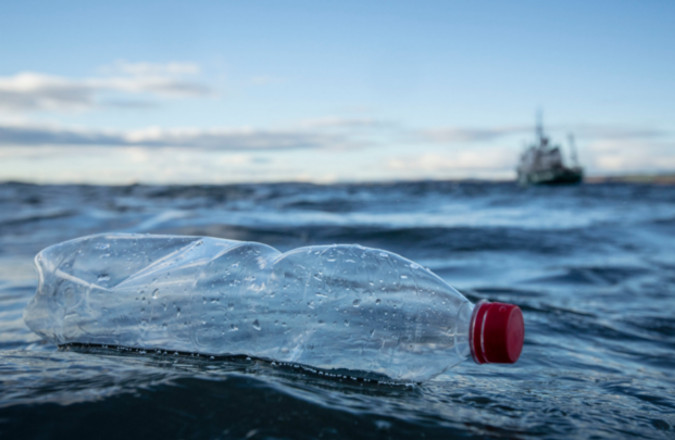
Single-use plastic bottles are the leading cause of plastic pollution in the oceans, but only 6.6% are made from recycled material.
The recent Greenpeace report denounces the environmental impact of single-use plastic bottles, the main cause of plastic pollution of the planet's oceans and seas. (1) With irreparable damage to marine fauna, since it takes centuries to dispose of harmful chemicals.
Almost two million tons of bottles are produced every year in England alone. (2) Of these only 6.6% is made of recycled material. Furthermore, over the last ten years the soft drinks industry has almost abandoned the use of reusable containers in favor of 'disposable' ones.
None of the giants interviewed – Coca-Cola, PepsiCo, Nestlé, Danone, Suntory and Dr Pepper Snapple – has pledged to reduce single-use plastic bottles. Only two out of six groups consider the risk of marine pollution when designing packaging. And they have defined timid objectives to increase the use of recycled material. (3)
If we are going to protect our oceans we need to end the age of disposable plastic (Louise Edge, Greenpeace UK)
Greenpeace demands greater commitment by the producers of soft drink. The logic of 'disposable' plastic must be abandoned, in view of the use of reusable containers. In the meantime, we must use 100% recycled materials.
Single-use plastic bottles and the role of consumer actors
In hindsight, the change also depends on consumers, as always. How many bottles do we buy every day? Do we take care of their correct disposal, for the purposes of separate collection? Do we educate our children like this?
The reduction of disposable use In daily consumption, reuse and recycling of materials are the premise to reduce our environmental footprint. National and local administrations should then introduce 'returnable deposit' systems. (4) Where applied, these have increased recycling and collection rates by over 80% globally. Up to 98% in Germany.
Dario Dongo
Notes
(1) 12 million tons of plastic end up in the oceans each year, according to Greenpeace estimates
(2) The data concerns only British productions declared by 5 out of 6 industrial groups that responded to the questions, excluding Coca-Cola
(3) Some industries have reduced the thickness of containers and started using bioplastics, not derived from petroleum. Useful tools, yet insufficient to offset the continuous growth in production volumes
(4) Incredible but true, two-thirds of the giants of Big Food interviewed by Greenpeace declared to have global policies contrary to bottle collection systems (!)

Dario Dongo, lawyer and journalist, PhD in international food law, founder of WIISE (FARE - GIFT – Food Times) and Égalité.


