
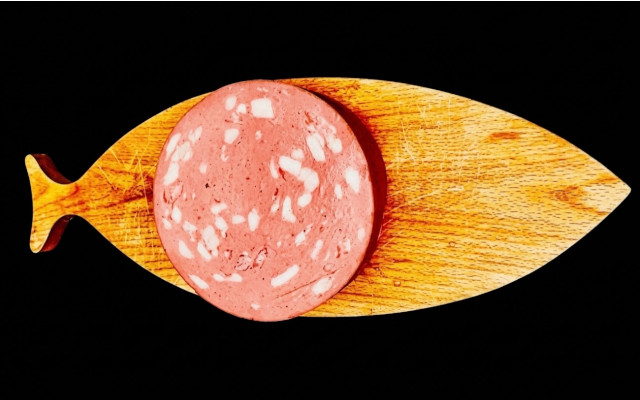
In November 2018 GIFT reported the launch of the Omega 3 supply chain, by the Ferri group, with the Cura Natura brand: pork meat with high content of omega-3 fatty acids, obtained with a feed formula based on herbs and oil seeds inspired by pig feeding in the forest, with supply chain certification issued by Certiquality. We update the news to illustrate the extensive scientific confirmation of that intuition collected in subsequent years.
In fact, Italian, European and international research demonstrates how the integration of pigs' diets with sources of omega-3 - dal extruded flax to microalgae rich in DHA to marine algae – allows improving the nutritional profile of meat and cured meat. Some of these sources also support intestinal microbiota as well as the immune defenses of animals, helping to reduce or even eliminate the use of antibiotics in a One Health perspective.
From forest to feed, the Omega 3 Supply Chain of Castelvetro
The Cura Natura project reproduced with modern techniques the natural diet of the pig, which once fed on herbs and acorns in the woods, a source of unsaturated fats. There traceability covers all phases, from the exclusive feed formula of the Ferri group in Castelvetro (Modena, Emilia-Romagna) to breeding methods, up to slaughtering, processing, packaging and sales.
In addition to traceability, the certification body has certified the 'feed formula with guaranteed Omega 3′ content as well as the breeding of 'pigs with meat with high content of polyunsaturated fatty acids Omega 3'. The company had opened the protocol to interested partners, describing it as 'a virtuous circuit that starts from fresh meat', destined to create the first certified omega-3 supply chain in Italy.
Benefits of omega-3 and conversion limits, from humans to pigs
Fatty acids omega-3 long-chain EPA (eicosapentaenoic acid) and DHA (docosahexaenoic acid) contribute to fetal development, to cardiovascular function as well as to the modulation of inflammatory processes (Swanson et al., 2012). These nutrients partly inhibit various aspects of inflammatory response, giving rise to mediators of its resolution such as resolvins, protectins and maresins (Calder, 2015). A meta-analysis of 38 randomized clinical trials, involving 149,051 participants, associated omega-3 intake with a reduction in cardiovascular mortality (hazard ratio 0.93) as well as non-fatal myocardial infarctions (0.87) (Khan et al., 2021).
THE'human organism However, it is difficult to obtain EPA and DHA from alpha-linolenic acid (ALA), the omega-3 of plant origin. Its conversion into long-chain omega-3 remains limited, in the order of a few percentage points for EPA and minimal fractions for DHA (Swanson et al., 2012). Furthermore, in the Western diet, the omega-6/omega-3 ratio fluctuates between 15:1 and 20:1, compared to recommended values between 1:1 and 4:1 (Minelli et al., 2023). Hence the interest in widely consumed foods capable of directly providing long-chain omega-3.
The pig is a monogastric animal, in which the composition of fatty acids deposited in adipose tissue and muscle largely reflects that of the diet. The pork meat presents relatively high levels of polyunsaturated fatty acids, including long-chain ones. However, even in pigs, ALA is incorporated into the tissues with less efficiency than omega-6 linoleic acid, while vitamin E plays a central role in protecting polyunsaturates from oxidation (Wood et al., 2008).
The pig is in turn unable to convert omega-6 into omega-3. The most effective way to improve the omega-6/omega-3 ratio of meat therefore consists in enriching the feed with omega-3 (Minelli et al., 2023).
Flax, seaweed and microalgae, the sources of omega-3 in feeds
The sources of omega-3 used in pig farming belong to two families:
- i flax seeds, usually administered after extrusion, provide ALA;
- the heterotrophic microalgae of the genus Schizochytrium and similar products provide DHA directly, offering a sustainable alternative to fish oil to protect fish stocks.
A systematic review confirmed the inclusion of microalgae in diets can improve growth as well as meat quality in ruminants, pigs, poultry and rabbits. Schizochytrium improves the acidic composition of pork and poultry meat thanks to the high DHA content, while the production cost represents the main obstacle to large-scale diffusion (Madeira et al., 2017).
Alongside microalgae are macroalgae, subject of study especially for their bioactive compounds (polyphenols, phlorotannins, minerals) and for their effects on intestinal health of piglets at weaning, the most critical phase for drug use.
Italian research, from heavy pigs to cured meats
At the University of Pisa, 60 pigs were fed a diet supplemented with 8% of extruded flax. The omega-3 content increased approximately ninefold and the omega-6/omega-3 ratio dropped from 20 to 2.5. In the cuts rich in fat (back fat, bacon, fatty part of the ham) the level of omega-3 exceeded the thresholds established in the European Union for the claim 'source of omega-3 fatty acids', while the lean cuts remained below due to the low fat content (Tognocchi et al., 2023).
The University of Modena and Reggio Emilia, together with the University of Bologna, studied the medium-heavy pig intended for protected productions, feeding 24 Italian Large White pigs from 80 to 150 kg of live weight with diets at an omega-6/omega-3 ratio of 9.7:1 or 1.4:1. The reduced ratio improved the fatty acid profile in all examined tissues, including nutritional indices of fats, without compromising the oxidative stability of meat (Minelli et al., 2023).
At the research centre CERZOO of Piacenza, 144 pigs at the end of fattening received a diet with 1% of the microalgae Aurantiochytrium limacinum for 31 days. The DHA increased by more than triple – from 9.0 to 31.2 mg per 100 g in the loin and from 61.6 to 192.4 mg per 100 g in the dorsal fat – without effects on growth performance or carcass characteristics (Moran et al., 2018).
The project Green Charcuterie, co-financed by the European Regional Development Fund through the Emilia-Romagna operational program 2014-2020, was coordinated by the Experimental Station for the Food Preservation Industry (SSICA) with the Universities of Bologna, Modena and Reggio Emilia, Parma, as well as with delicatessen companies. Italian Large White pigs were fed 5% extruded flax, alone, combined with vitamin E with selenium, or with polyphenols from grape skins and oregano. In mortadelle thus obtained, the omega-6/omega-3 ratio was over 80% lower than standard products, with rancidity and sensory profile comparable to those of the control (SSICA, 2018).
The University of Milan evaluated a combination of two in weaned piglets seaweed marine, Ascophyllum nodosum (1.5%) and Phymatolithon calcareum (0.5%), for 27 days. Polyphenols and flavonoids maintained their properties after simulated digestion, with laboratory inhibition of Escherichia coli F4+, a strain associated with post-weaning diarrhoea. In animals the antioxidant barrier serum level was significantly higher, with equal growth (Frazzini et al., 2024).
A brilliant application also came from private research. LT Natural Group (Cremona) developed the line in approximately fifteen years of research Algatan, based on patented blends of algae, microalgae and tannins. In vitro and in vivo tests have shown the ability to inhibit Campylobacter jejuni, Salmonella spp., Staphylococcus aureus, Escherichia coli and Clostridium perfringens. In farm trials on pigs, rabbits, poultry, sheep and cattle, the use of antibiotics was reduced, reaching zero in subsequent generations, with results being further verified for repeatability, as reported by Food Times (Dongo & Della Penna, 2020b).
On the distribution side, Coop Italia launched with the project 'Let's raise health' a path to reduce antibiotics in branded supply chains. The project, started from around 1,600 farms, limits treatments to cases of real need, excluding the most critical molecules for human medicine (Dongo, 2017). From white meat to eggs, the commitment was then extended to beef and pork, branded cured meats as well as aquaculture fish (Strinati, 2018).
European evidence on microalgae, microbiota and animal welfare
To the French National Institute for Agronomic Research (INRA), piglets weaned at 28 days received 1%. Spirulina or Chlorella, compared with a standard diet and with a diet supplemented with colistin. Microalgae, studied as alternative to antibiotics in weaning digestive disorders, improved gross energy digestibility compared to both comparison groups (Furbeyre et al., 2017).
At the University of Lisbon, 5% Chlorella vulgaris in the diet of 44 weaned piglets increased immunoglobulin G and lymphocyte levels. In the liver, DHA increased and the omega-6/omega-3 ratio decreased from approximately 19.7 to 10.4, with no changes in growth performance (Martins et al., 2022).
Also in France, 60 pigs received extruded flax, microalgae rich in DHA or mixtures of the two ingredients in proportions 75/25 and 50/50. Omega-3s are increased in the loin, in the dorsal fat as well as in the liver, without effects on growth and technological quality of the meat. The authors indicate to dose long-chain DHA to prevent oxidation and anomalous aromatic notes: the flax and microalgae mixtures therefore offer an effective balance (de Tonnac & Mourot, 2018).
At the University of Ghent, Belgium, the addition of algae to the feed in doses of 0.3 to 1.2 g per 100 g brought the DHA to 10-20 mg per 100 g in the loin and to 25-56 mg per 100 g in the loin. aged ham, versus 4.3 / 9.1 mg with flax oil and 2.4 / 4.5 mg with soybean oil. The sensory test with consumers revealed no significant differences between aged hams from the different groups (Vossen et al., 2017).
European co-funded research programmes
The European Union has supported research on alternatives to antimicrobials and new feed ingredients for years. The project AVANT (Horizon 2020) – coordinated by the University of Copenhagen with a European contribution of around 6 million euros – has developed alternatives to antimicrobials for swine enteritis, the main cause of use of these drugs in farm animals. The portfolio includes gut microbiota modulators, feed additives as well as feeding strategies for sows and piglets, with a regulatory analysis for market access (European Commission, n.d.-a).
The project CIRCALGAE (Horizon Europe), coordinated by KTH in Stockholm between October 2022 and September 2026, valorises residues from the algae and microalgae industry into ingredients for food, feed and cosmetics (European Commission, s.d.-b). In trials conducted by Teagasc in Ireland, ingredients made using upcycling of algal by-products included at 1-5% in post-weaning diets have maintained growth and health of piglets, improving in some cases food efficiency, intestinal barrier function or the composition of the microbiota (Negrini, n.d.).
Italy leads the project MARMADE, coordinated by the University of Camerino and financed by the European joint venture Circular Bio-based Europe for the period September 2025 – August 2029. The objective is to transform crustacean and macroalgae residues into ingredients for food or feed, including prebiotics, postbiotics, peptides and fats (Circular Bio-based Europe Joint Undertaking, N/A). Marie Skłodowska-Curie actions also fund the project BioAlgae, dedicated to phlorotannins of brown algae against post-weaning diarrhoea in piglets (European Commission, N/A).
On microalgae also operated the research project ProFuture (Horizon 2020), coordinated by the Catalan institute IRTA with 33 partners from 13 countries, which developed ingredients from Arthrospira platensis, Chlorella vulgaris, Tetraselmis chuii and Nannochloropsis oceanica for food as well as for feed for poultry, fish and shrimp (WIISE, n.d.-a).
The international framework
A meta-analysis from Zhejiang University, in China, looked at 14 studies involving 752 pigs. The integration of the diet with polyunsaturated fatty acids, in particular conjugated linoleic acid or flaxseed, increased the intramuscular fat, a parameter related to flavour, tenderness and juiciness, without affecting growth performance (Wang et al., 2021).
The study conducted at CERZOO in Piacenza is in turn the result of international collaboration with researchers from France and Ireland (Moran et al., 2018). The meta-analysis on the cardiovascular effects of omega-3 instead comes from a US group (Khan et al., 2021). The picture that emerges is consistent: meat and meat products can become a daily vehicle for omega-3 without changing consumers' eating habits.
European rules on feeds, antibiotics and claims
The use of antibiotics as growth promoting additives has been prohibited in feed since 2006, with the sole exception of coccidiostats and histomonostats (EC regulation 1831/2003, art. 11.2). Antimicrobials cannot be used routinely, neither to compensate for hygiene, breeding or management deficiencies, nor to promote growth and yield, while prophylaxis is permitted only in exceptional cases (EU regulation 2019/6, art. 107).
The Catalogue of feed materials includes algae and derived products (EU regulation 68/2013, Annex). Feed labeling can draw attention to the presence or absence of substances and particular nutritional characteristics, but cannot attribute disease prevention or treatment properties to the feed (EC regulation 767/2009, art. 13).
In terms of consumer information on food products:
- the nutrition claim 'source of omega-3 fatty acids' is permitted only if the product contains at least 0.3 g of ALA, or at least 40 mg of the sum of EPA plus DHA, per 100 g and per 100 kcal;
- for nutritional indication'high in omega-3 fatty acids' the thresholds double, to 0.6 g and 80 mg respectively (EC regulation 1924/2006, Annex).
The dual condition – referring to weight and energy – makes the claim on cured meats rich in fat more demanding: in the Green Charcuterie project the contents per 100 g were in line with the thresholds, but the energy value exceeded the reference of 100 kcal (SSICA, 2018).
Commercial communication on food products qualified as a source of EPA and DHA may further include a authorized health claim, enhancing the contribution of these fatty acids to normal cardiac function, with mandatory information on the need for a daily intake of 250 mg to achieve the beneficial effect (EU regulation 432/2012, Annex).
The words on the antibiotic-free farming they also require attention, since commercial information must be based on breeding protocols and electronic registration of veterinary drugs consistent with the declarations (EU regulation 1169/2011, art. 36). The message must therefore refer to the breeding method, appropriately documented and verifiable.
WIISE, research and innovation with regulatory by design approach
WIISE S.r.l. Benefit Company supports operators, their representatives and research groups with a regulatory by design approach: the rules on food, feed, new foods, claims and sustainability are integrated right from the design of research activities, so as to direct the results towards use on the market in compliance with European Union law.
In this capacity WIISE operates as a technical-regulatory partner in European projects dedicated to microalgae:
- in the project ProFuture it carried out analyses on the regulation of novel foods, on nutritional and health claims, as well as on colouring uses (WIISE, s.d.-a);
- in the project FAF (Future-proof microAlgae-based Foods), launched in April 2026 as part of the European FutureFoods partnership, with the coordination of Wageningen University & Research, WIISE leads the work package on standards and verifies communication to consumers (WIISE, s.d.-b).
The skills gained on microalgae, marine by-products and food safety also lend themselves to supporting research on functional feed for pig farming, terrestrial livestock farming more generally and aquaculture.
Dario Dongo
Credit cover Dario Dongo
Frequently asked questions
How is pork meat enriched with omega-3? By integrating the diet of pigs with extruded flax, a source of ALA, or with microalgae rich in DHA. Omega-3s are deposited in muscle as in fat, improving the omega-6/omega-3 ratio of meat and processed pork products.
Do microalgae in feed modify the taste of meat and processed pork products? At moderate doses no: in aged hams from pigs fed with algae consumers did not detect significant differences. DHA must be dosed carefully, also in mixture with flax, together with natural antioxidants such as vitamin E.
Can a cured meat from pigs fed with omega-3 carry the claim 'source of omega-3'? Yes, if the product contains at least 0.3 g of ALA or 40 mg of EPA and DHA per 100 g or per 100 kcal. The second condition is the most demanding for high-fat processed pork products.
Can algae and microalgae reduce the use of antibiotics? Research documents favourable effects on digestibility, immune defences, antioxidant barrier and intestinal microbiota of piglets. Together with biosecurity and animal welfare, they contribute to reducing the recourse to medicines.
References
Scientific studies on the lipid profile of pork meat
de Tonnac, A., & Mourot, J. (2018). Effect of dietary sources of n-3 fatty acids on pig performance and technological, nutritional and sensory qualities of pork. Animal, 12(7), 1527–1535. https://doi.org/10.1017/S1751731117002877
Minelli, G., D’Ambra, K., Macchioni, P., & Lo Fiego, D. P. (2023). Effects of pig dietary n-6/n-3 polyunsaturated fatty acids ratio and gender on carcass traits, fatty acid profiles, nutritional indices of lipid depots and oxidative stability of meat in medium–heavy pigs. Foods, 12(22), 4106. https://doi.org/10.3390/foods12224106
Moran, C. A., Morlacchini, M., Keegan, J. D., & Fusconi, G. (2018). Dietary supplementation of finishing pigs with the docosahexaenoic acid-rich microalgae, Aurantiochytrium limacinum: Effects on performance, carcass characteristics and tissue fatty acid profile. Asian-Australasian Journal of Animal Sciences, 31(5), 712–720. https://doi.org/10.5713/ajas.17.0662
Tognocchi, M., Conte, G., Mantino, A., Foggi, G., Casarosa, L., Tinagli, S., Turini, L., Scicutella, F., Mele, M., & Serra, A. (2023). Linseed supplementation in the diet of fattening pigs: Effect on the fatty acid profile of different pork cuts. Meat Science, 204, 109276. https://doi.org/10.1016/j.meatsci.2023.109276
Vossen, E., Raes, K., Van Mullem, D., & De Smet, S. (2017). Production of docosahexaenoic acid (DHA) enriched loin and dry cured ham from pigs fed algae: Nutritional and sensory quality. European Journal of Lipid Science and Technology, 119(5), 1600144. https://doi.org/10.1002/ejlt.201600144
Wang, L., Huang, Y., Wang, Y., & Shan, T. (2021). Effects of polyunsaturated fatty acids supplementation on the meat quality of pigs: A meta-analysis. Frontiers in Nutrition, 8, 746765. https://doi.org/10.3389/fnut.2021.746765
Wood, J. D., Enser, M., Fisher, A. V., Nute, G. R., Sheard, P. R., Richardson, R. I., Hughes, S. I., & Whittington, F. M. (2008). Fat deposition, fatty acid composition and meat quality: A review. Meat Science, 78(4), 343–358. https://doi.org/10.1016/j.meatsci.2007.07.019
Scientific studies on algae, microalgae and pig health
Frazzini, S., Reggi, S., Dell'Anno, M., Fifi, A. P., Scaglia, E., Ferri, I., & Rossi, L. (2024). Chemical-functional characterization of Ascophyllum nodosum and Phymatolithon calcareum and dietary supplementation in post-weaning pigs. Frontiers in Veterinary Science, 11, 1431091. https://doi.org/10.3389/fvets.2024.1431091
Furbeyre, H., van Milgen, J., Mener, T., Gloaguen, M., & Labussière, E. (2017). Effects of dietary supplementation with freshwater microalgae on growth performance, nutrient digestibility and gut health in weaned piglets. Animal, 11(2), 183–192. https://doi.org/10.1017/S1751731116001543
Madeira, M. S., Cardoso, C., Lopes, P. A., Coelho, D., Afonso, C., Bandarra, N. M., & Prates, J. A. M. (2017). Microalgae as feed ingredients for livestock production and meat quality: A review. Livestock Science, 205, 111–121. https://doi.org/10.1016/j.livsci.2017.09.020
Martins, C. F., Lopes, P. A., Palma, M., Pinto, R. M. A., Costa, M., Alfaia, C. M., Pestana, J. M., Coelho, D., Ribeiro, D. M., Viegas, I., Almeida, A. M., Freire, J. P. B., & Prates, J. A. M. (2022). Impact of dietary Chlorella vulgaris and feed enzymes on health status, immune response and liver metabolites in weaned piglets. Scientific Reports, 12, 16816. https://doi.org/10.1038/s41598-022-21238-9
Scientific studies on omega-3 and human health
Calder, P. C. (2015). Marine omega-3 fatty acids and inflammatory processes: Effects, mechanisms and clinical relevance. Biochimica et Biophysica Acta (BBA) – Molecular and Cell Biology of Lipids, 1851(4), 469–484. https://doi.org/10.1016/j.bbalip.2014.08.010
Khan, S. U., Lone, A. N., Khan, M. S., Virani, S. S., Blumenthal, R. S., Nasir, K., Miller, M., Michos, E. D., Ballantyne, C. M., Boden, W. E., & Bhatt, D. L. (2021). Effect of omega-3 fatty acids on cardiovascular outcomes: A systematic review and meta-analysis. EClinicalMedicine, 38, 100997. https://doi.org/10.1016/j.eclinm.2021.100997
Swanson, D., Block, R., & Mousa, S. A. (2012). Omega-3 fatty acids EPA and DHA: Health benefits throughout life. Advances in Nutrition, 3(1), 1–7. https://doi.org/10.3945/an.111.000893
Co-financed research projects
Circular Bio-based Europe Joint Undertaking. (N/A). MARMADE – MARine bioMass valorizAtion for fooD and fEed innovation. https://www.cbe.europa.eu/projects/marmade
European Commission. (N/A). Alternatives to Veterinary ANTimicrobials (AVANT), grant agreement ID 862829. CORDIS. https://cordis.europa.eu/project/id/862829
European Commission. (N/A). CIRCular valorisation of industrial ALGAE waste streams into high-value products to foster future sustainable blue biorefineries in Europe (CIRCALGAE), grant agreement ID 101060607. CORDIS. https://cordis.europa.eu/project/id/101060607
European Commission. (N/A). Brown macroalgae bioactive compounds to improve pig gut health (BioAlgae), grant agreement ID 101147079. CORDIS. https://cordis.europa.eu/project/id/101147079
Negrini, C. (N/A). Seaweed by-products – Sustainable feed ingredients for pigs? Teagasc. https://teagasc.ie/news–events/daily/seaweed-by-products-sustainable-feed-ingredients-for-pigs/
SSICA – Experimental Station for the Food Preservation Industry. (2018, February 1). Strategies for the production of meat and cured meats based on consumer health [Press release, Green Charcuterie project, POR FESR Emilia-Romagna 2014-2020]. https://www.centritecnopolo.unipr.it/siteiaparma/wp-content/uploads/sites/9/2018/03/COMUNICATO_STAMPA_EUROCARNE2018_1-2-2018.pdf
WIISE. (N/A). ProFuture – Microalgae ingredients to feed the planet. https://wiisebenefit.com/profuture/
WIISE. (N/A). FAF – Future-proof microAlgae-based Foods. https://wiisebenefit.com/faf/
Food Times articles
Dongo, D. (2017, April 27). 'Let's Raise Health', Coop Italia eliminates antibiotics from products of animal origin. FoodTimes. https://www.foodtimes.eu/it/pianeta/alleviamo-la-salute-coop-italia/
Dongo, D. (2023, September 15). The role of microalgae in food and feed, the state of the art. #ProFutureEU. FoodTimes. https://www.foodtimes.eu/it/ricerca/il-ruolo-delle-microalghe-in-alimenti-e-mangimi-lo-stato-dellarte-profutureeu-2/
Dongo, D. (2025, 16 April). Schizochytrium sp., the sustainable microalga rich in DHA. Food Times. https://www.foodtimes.eu/it/sistemi-alimentari/schizochytrium-sp-microalga-dha/
Dongo, D., & Della Penna, A. A. (2020a, 12 October). Microalgae superfood, the champion Chlorella. Scientific review. Food Times. https://www.foodtimes.eu/it/pianeta/microalghe-superfood-la-campionessa-chlorella-rassegna-scientifica/
Dongo, D., & Della Penna, A. A. (2020b, September 9). Animal husbandry, algae and microalgae to prevent the use of antibiotics. Algatan. FoodTimes. https://www.foodtimes.eu/it/pianeta/zootecnia-alghe-e-microalghe-per-prevenire-luso-di-antibiotici-algatan/
Dongo, D., & Strinati, M. (2020, 2 July). Spirulina, the microalga that nourishes, stimulates the immune system and helps with weight loss. Food Times. https://www.foodtimes.eu/it/pianeta/spirulina-la-microalga-che-nutre-stimola-il-sistema-immunitario-e-aiuta-a-dimagrire/
Strinati, M. (2018, 20 October). Coop Italia, antibiotic-free fish. Food Times. https://www.foodtimes.eu/it/pianeta/coop-italia-pesce-senza-antibiotici/
European Union legislation
Regulation (EC) No 1831/2003 of the European Parliament and of the Council of 22 September 2003 on additives for use in animal nutrition. Consolidated text: 27/03/2021. http://data.europa.eu/eli/reg/2003/1831/2021-03-27
Regulation (EC) No 1924/2006 of the European Parliament and of the Council of 20 December 2006 on nutrition and health claims made on foods. Consolidated text: 13/12/2014. http://data.europa.eu/eli/reg/2006/1924/2014-12-13
Regulation (EC) No 767/2009 of the European Parliament and of the Council of 13 July 2009 on the placing on the market and use of feed. Consolidated text: 26/12/2018. http://data.europa.eu/eli/reg/2009/767/2018-12-26
Regulation (EU) No 1169/2011 of the European Parliament and of the Council of 25 October 2011 on the provision of food information to consumers, amending Regulations (EC) No 1924/2006 and (EC) No 1925/2006 of the European Parliament and of the Council. Consolidated text: 01/04/2025. http://data.europa.eu/eli/reg/2011/1169/2025-04-01
Commission Regulation (EU) No 432/2012 of 16 May 2012 establishing a list of permitted health claims made on foods, other than those referring to the reduction of disease risk and to children's development and health. Consolidated text: 08/20/2025. http://data.europa.eu/eli/reg/2012/432/2025-08-20
Commission Regulation (EU) No 68/2013 of 16 January 2013 on the Catalogue of feed materials. Consolidated text: 24/07/2022. http://data.europa.eu/eli/reg/2013/68/2022-07-24
Regulation (EU) 2019/6 of the European Parliament and of the Council of 11 December 2018 on veterinary medicinal products and repealing Directive 2001/82/EC. Consolidated text: 28/01/2022. http://data.europa.eu/eli/reg/2019/6/2022-01-28

Dario Dongo, lawyer and journalist, PhD in international food law, founder of WIISE (FARE - GIFT – Food Times) and Égalité.


