

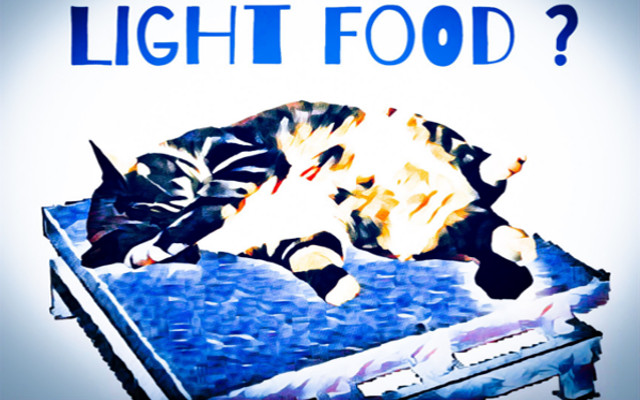
Pets – like their human species friends – are mostly obese or overweight. This has led producers of Pet Food to develop dedicated products, whose labels and advertisements are however often ‘over the top’ compared to current regulations.
Obesity and overweight in companion animals
The Association for the prevention of obesity for animals (APOP), in a study conducted in the USA in 2017, considered excess weight a health emergency affecting 52.7% of dogs and 57.9% of cats.
The situation in Europe is perhaps only slightly better. Obesity and overweight are the most common health problems among pets, according to two-thirds of veterinarians surveyed. The leading causes of premature death, according to 96% of professionals.
Obesity and overweight almost always result from an imbalance between energy intake (excess) through food and that actually consumed. It thus occurs in elderly animals, whose physical activity tends to decrease, and in sterilized ones, due to increased hunger stimulus.
Attention to fitness - for the pets, as for human beings – is therefore a widespread health need, beyond aesthetic factors. And it has motivated the development of foods specifically aimed at maintaining or helping reduce excess weight. To the point that, in Pet Food, every product line includes at least one reference ‘light’, ‘low fat’ or otherwise aimed in this direction.
Labels and advertising of pet food often indulge in such claims, which unfortunately often prove to be unfounded. Let's see why.
claims nutritional and health-related in Pet Food, the rules
In the United States the use of the terms ‘light’, ‘light’ or ‘lite’, ‘lean’ is allowed on products whose energy value does not exceed a certain threshold (3,100 kcal/kg for dry food, 900 kcal/kg for wet food). The claims ‘lean’, in turn, requires a fat content not exceeding 9% on dry and 4% on wet food.
In Europe the rules are more complex. First of all, all feeds intended for body weight reduction are subject to PARNUTS regulations and fall into the category of dietary food for pets. (1)
I claims health-related – in both cases referring to pathologies (e.g. obesity) or specific health benefits (e.g. reduction of excess weight) – are therefore exclusively allowed for products labeled as ‘diet feeds’. These must comply with the characteristics and conditions set out in directive 2008/38/CE.
Common feeds – whether complete or complementary – can at most report a function of maintaining ideal weight (so-called claims functional, e.g. ‘helps to maintain an ideal weight), without suggesting a reduction in excess weight. Since this last wording is instead specific, as we have seen, to 'dietetic feed'.
I claims nutritional are also allowed on common feeds (i.e. non-'dietary'), however respecting certain conditions that responsible operators must be able to substantiate through appropriate laboratory analyses.
The indication ‘light’ or ‘light’, for example, may be used in commercial information only where the product expresses an energy value at least 15% lower than the average of products in the same category available on the market, or the maintenance reference of the same line. (2)
The 15% of difference – more generally – represents the condition for the use of claims comparative nutritional (e.g. ‘reduced fat content’).
The indicated criteria and analytical methods to be used, are described in the nutritional guidelines of the European category association FEDIAF, which the Italian Ministry of Health itself refers to. The sanctions are already in force, although to date they have been scarcely considered by various operators. (3)
Paola Cane and Dario Dongo
Notes
(1) See dir. 2008/38/EC, concerning feed for animals intended for particular nutritional purposes. Also see rec. 2011/25/EU, containing guidelines on the necessary distinction between feed and their ingredients, additives and biocides, compared to veterinary medicines
(2) With evidence of the products and parameters compared. And the caution to comply with the criteria established regarding misleading and comparative advertising (dir. 2006/114/EC)
(3) Cf. reg. EC 767/09. For the sanctioning regime, see the articles https://www.foodagriculturerequirements.com/approfondimenti_1/mangimi-le-sanzioni-per-violazione-del-regolamento-767-2009 e https://www.foodagriculturerequirements.com/archivio-notizie/pet-food-etichette-e-allegazioni-in-arrivo-il-decreto-sanzioni

Business consultant on strategies, compliance and marketing in food and pet food areas. She is responsible for the VeganOK observatory for market analysis on vegan products, consumer side.

Dario Dongo, lawyer and journalist, PhD in international food law, founder of WIISE (FARE - GIFT – Food Times) and Égalité.


