

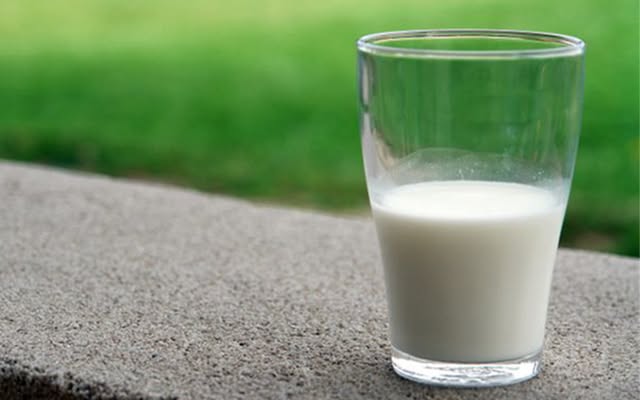
For decades the prevailing nutritional recommendation has been linear: after two years of age, skimmed or partially skimmed milk is better, to reduce the intake of saturated fats and with it the risk of obesity and cardiovascular diseases. The most recent scientific literature - based on systematic reviews, meta-analyses and large cohort studies - today offers a more complex picture. Whole milk is not a food to avoid: in children is associated with a lower risk of overweight and in adults the consumption of milk and dairy products, regardless of fat content, shows neutral or favourable associations with cardiovascular health. semi-skimmed milk and that skimmed they in turn remain valid choices, with a substantially unchanged protein and mineral profile. The answer to the question 'which milk to choose?' therefore depends on age, energy needs, clinical conditions and personal tastes, not on a pre-established hierarchy.
Categories of milk for human consumption in European regulations
In the European Union, milk intended for human consumption is classified based on its fat content:
- the whole milk must contain at least 3.50% fat;
- milk semi-skimmed from 1.50% to 1.80%;
- milk skimmed not exceeding 0.50% (Regulation (EU) 1308/2013, Annex VII, part IV).
The Skimming, obtained by centrifugation, separates the lipid fraction and with it the fat-soluble vitamins: vitamin A with its precursor, beta-carotene, vitamin E and, in modest quantities, vitamins D and K, while proteins, calcium, phosphorus and B vitamins remain largely in the aqueous phase. According to CREA tables, vitamin A drops from 37 µg per 100 g in whole milk to 19 µg in semi-skimmed milk, down to traces in skimmed milk, and the same occurs for vitamin E (CREA, 2019). The three types are thereforedeclinations of the same food, with different energy intakes and a common basic nutritional value.
Nutritional profiles compared
The food composition tables indicated by CREA — Food Research Centre and Nutrition (2019) refer to pasteurised cow's milk, in the three types, the nutritional values as follows, per 100 g. Vitamins and minerals are reported when they exceed 7.5% of the nutritional reference values as set out in Annex XIII to Regulation (EU) No 1169/2011.
| Per 100 g | Whole | semi-skimmed | skimmed |
| Energy | 268 kJ / 64 kcal | 194 kJ / 46 kcal | 151 kJ / 36 kcal |
| Fat | 3.6 g | 1.5 g | 0.2 g |
| of which saturated fatty acids* | 63,0% | 62,5% | 70,0% |
| Carbohydrates | 4.9 g | 5.0 g | 5.3 g |
| of which sugars | 4.9 g | 5.0 g | 5.3 g |
| Fibre | 0 g | 0 g | 0 g |
| proteins | 3.3 g | 3.5 g | 3.6 g |
| Salt | 0.13 g | N/A | 0.13 g |
| calcium | 119 mg (14.9% NRV) | 120 mg (15.0% NRV) | 125 mg (15.6% NRV) |
| Phosphorus | 93 mg (13.3% NRV) | 94 mg (13.4% NRV) | 97 mg (13.9% NRV) |
| Riboflavin (vitamin B2) | 0.18 mg (12.9% NRV) | 0.17 mg (12.1% NRV) | 0.17 mg (12.1% NRV) |
| Potassium | 150 mg (7.5% NRV) | N/A | 150 mg (7.5% NRV) |
Note: CREA expresses saturated fatty acids as a percentage of total fatty acids; N/A indicates a value not reported.
At the same standard portion (125 g), the three types provide similar amounts of proteins, calcium, Phosphorus e riboflavin, while the energy drops from 80 kcal of whole milk to 58 kcal of partially skimmed milk and 45 kcal of skimmed milk. The difference concerns fats and fat-soluble vitamins.
Nutritional information and analytical checks
Milk, in its three types, may carry various nutrition claims (nutrition claim), under the conditions established by the Annex to Regulation (EC) no. 1924/2006. The comparison between the average CREA values and the thresholds in the Annex offers an initial orientation, summarized in the table below.
| Nutritional claim (condition) | Whole | semi-skimmed | skimmed |
| Low fat (≤1.5 g/100 ml; ≤1.8 g/100 ml for semi-skimmed milk) | No | Yes | Yes |
| Fat-free (≤0.5 g/100 ml) | No | No | Yes |
| Low in saturated fat (≤0.75 g/100 ml and ≤10% of energy) | No | No | Yes |
| Source of protein (≥12% of energy) | Yes | Yes | Yes |
| High in protein (≥20% of energy) | At the limit (20.6%) | Yes (30.4%) | Yes (40.0%) |
| Source of calcium (≥7.5% NRV/100 ml) | Yes | Yes | Yes |
| High calcium content (≥15% NRV/100 ml) | At the limit (14.9%) | At the limit (15.0%) | Yes (15.6%) |
| Source of phosphorus (≥7.5% NRV/100 ml) | Yes | Yes | Yes |
| Source of riboflavin (≥7.5% NRV/100 ml) | Yes | Yes | Yes |
| Source of potassium (≥7.5% NRV/100 ml) | At the limit (7.5%) | N/A | At the limit (7.5%) |
The CREA values are averages referring to 100 g, while the thresholds for liquids apply to 100 ml, and the composition of the milk varies with breed, cow diet, season and treatments. The use of a nutritional indication therefore requires verification of the actual achievement of the thresholds through analysis on representative samples of the product, for the entire shelf life and within the narrow margins of tolerance allowed on the values covered by the claim. When the condition is satisfied in nature, the indication can be preceded by the term 'naturally' (EC regulation 1924/2006, Annex). Nutrition claims in turn pave the way for authorized health claims for calcium, phosphorus, proteins and riboflavin (EU Reg. 432/2012).
The team of FARE (Food and Agriculture Requirements) supports operators, their representatives and research consortia in the valorisation of supply chains and products also under these profiles: from verification of the conditions of use of nutrition & health claims to support in the planning of the studies necessary to submit applications for authorization of new health claims (EC regulation 1924/2006, articles 13.5, 14 and 15).
Whole milk and body weight in childhood
The sector where the indication in favor of skimmed milk has had the most weight is the pediatric one. For decades the North American guidelines now outdated had recommended switching to reduced-fat milk after the age of two, with the aim of preventing childhood obesity. A systematic review with meta-analysis published in the American Journal of Clinical Nutrition, however, questioned this dogma (Vanderhout et al., 2020);
- of 28 observational studies included, conducted on children from 1 to 18 years old, 18 associated greater consumption of milk fat with a lower adiposity and 10 found no associations;
- in the meta-analysis of 14 studies and 20,897 children, those who consumed whole milk had approximately 39% lower probability of being overweight or obese compared to those who drank reduced-fat milk (OR 0.61; 95% CI 0.52-0.72).
The authors specified that these are observational data - which do not demonstrate a cause and effect relationship - and indicated the need for randomized studies. Two of these are ongoing: the Cow's Milk Fat Obesity pRevention Trial (CoMFORT), conducted in Toronto on preschool children, and the US Milk-Tot study, which compares whole milk and 1% fat milk between 2 and 3 years of age (ClinicalTrials.gov, NCT03914807 and NCT06230510).
In the meantime – as already illustrated regarding milk in early childhood – the available evidence does not justify the choice of skimmed milk in the early years of life, to be agreed upon in any case with the pediatrician.
The new US dietary guidelines
THE'evolution of scientific knowledge has already produced effects on public policies. The Dietary Guidelines for Americans 2025-2030 – published in January 2026 by the US departments of Agriculture and Health – confirm the three daily servings of dairy products and recommend the consumption of whole dairy products without added sugars, with the limit of 10% of daily calories for saturated fat held firm (USDA & HHS, 2026).
A week later, the Whole Milk for Healthy Kids Act of 2025 was adopted, which reintroduces whole milk and 2% fat milk in school cafeterias participating in the federal meal program, alongside low-fat versions, lactose-free milk, and nutritionally equivalent plant-based beverages (Public Law 119-69, sec. 2).
Italian dietary guidelines
The Italian guidelines they in turn place milk in their daily diet. The Guidelines for a healthy diet from CREA - Food and Nutrition Research Center recommend: 'Drink a cup of milk or yogurt every day, preferably choosing partially skimmed milk', and indicate a 125 ml glass as the standard portion, the same for the three types (CREA, 2019). The indication precedes the most recent reviews on milk fat and confirms the role of milk as a food for daily consumption.
Milk fat and cardiovascular health
In adults, the debate mainly concerns cardiovascular health. An international panel of twelve experts examined the latest evidence and concluded that Milk, yogurt and cheese – regardless of fat content – show a neutral association with the risk of cardiovascular disease (Lamarche et al., 2025). Randomized studies, the authors note, have not so far documented different effects of the whole and lean versions on a broad set of cardiometabolic risk factors.
The PURE study (Prospective Urban Rural Epidemiology) – conducted on 136,384 people aged 35-70 years in 21 countries across five continents and followed for approximately nine years – associated dairy consumption of more than two servings per day with a lower risk of mortality and major cardiovascular events, compared to those who did not consume it (Dehghan et al., 2018). The associations were more marked among those who consumed exclusively whole dairy, with a predominant contribution from milk and yogurt. The authors concluded that dairy consumption should not be discouraged and could even be encouraged in low- and middle-income countries.
Further evidence comes from biomarkers, which overcome the limitations of dietary questionnaires:
- in a Swedish cohort of 4,150 adults followed for over 16 years, higher levels of pentadecanoic acid (15:0), a fatty acid found mainly in milk fat, were associated with lower cardiovascular risk (Trieu et al., 2021);
- the meta-analysis of 18 studies included in the same work confirmed the finding: the highest tertile of pentadecanoic acid and heptadecanoic acid (17:0) corresponded to a lower cardiovascular risk of 12% and 14%, with no associations with total mortality.
THE'global analysis which combines the China Kadoorie Biobank and the UK Biobank, with approximately 900,000 participants, in turn provides a detailed picture (Zhuang et al., 2025). Among Chinese participants, regular consumption of dairy products, predominantly whole milk, was associated with a 9% increase in the risk of coronary heart disease and a 6% reduction in the risk of stroke. Among British participants, overall dairy consumption was associated with lower cardiovascular risk, with a favorable contribution from cheese and partially skimmed orskimmed milk. The updated meta-analysis contained in the same study indicates, for total dairy consumption, a 3.7% reduction in cardiovascular risk and a 6% reduction in stroke risk.
In Italy, in the Moli-sani cohort (22,889 adults followed for a median of 11 years), the consumption of whole milk, yogurt and cheese was not associated with mortality, whereas one cup per day of semi-skimmed milk was associated with lower overall, cardiovascular and cancer mortality (Ruggiero et al., 2021). The data, presented as a congress communication, indicate that in a Mediterranean population milk, whole or semi-skimmed, does not emerge as a risk factor.
The milk matrix
A key to understanding these results is the food matrix, that is, the way in which fats, proteins, minerals and bioactive compounds are organized and interact in milk. A review published in Advances in Nutrition describes the proposed mechanisms (Torres-Gonzalez & Rice Bradley, 2023). Polar lipids of the fat globule membrane can reduce the intestinal absorption of cholesterol and counteract hyperlipidemia.
The production of skimmed milk removes this membrane and reduces polar lipids by up to 40%, whereas in butter churning fragments it. The authors also point out effects on gut microbiota and on inflammatory and oxidative processes, and conclude that dairy products should be considered complex matrices, rather than simple vehicles for saturated fatty acids.
Semi-skimmed and skimmed milk, legitimate choices
Recognizing the merits of whole milk does not mean downplaying other versions. Semi-skimmed milk skimmed and skimmed milk provide the same proteins with high biological value, the same calcium and the same B vitamins with a lower energy intake, and find a precise role when it is necessary to limit the calories of the diet or follow specific clinical recommendations.
In the Moli-sani cohort on the other hand, partially skimmed milk is the only type of milk associated with lower mortality, and in the UK Biobank the partially skimmed and skimmed versions contributed to the favorable association with cardiovascular risk (Ruggiero et al., 2021; Zhuang et al., 2025).
The position most solid according to current scientific knowledge is therefore non-hierarchical: these are versions of the same food, to be chosen based on energy balance, taste preferences and consumption methods, in the context of individual physiological conditions.
Elderly, protein and muscle strength
In old age the prevalent nutritional problem is not caloric excess but the risk of malnutrition, loss of muscle mass (sarcopenia) and frailty. Milk provides energy, proteins and micronutrients in a reduced volume, a characteristic useful for those with poor appetite:
- a review dedicated to muscle-protective foods found evidence – from observational and intervention studies – of a favourable effect of milk and dairy products on muscle strength in the elderly, highlighting the need for larger intervention studies (Granic et al., 2024);
- in the InCHIANTI cohort, which followed 863 elderly people in Tuscany for nine years, overall dairy consumption did not significantly modify frailty transitions, with the exception of yogurt, associated with a greater probability of moving from a frailty condition to a pre-frailty condition (Hidalgo-Liberona et al., 2025). However, the authors recommend moderate consumption of dairy products, especially fermented ones, as part of a balanced diet.
Excluding milk from the elderly's diet for fear of saturated fats risks reducing the intake of proteins and micronutrients without any proven benefit.
Lactose intolerance, diagnosis first
Lactose intolerance is often invoked to eliminate milk or to automatically switch to lactose-free milk. A review on the topic reminds us that the breath test to hydrogen is considered the diagnostic gold standard, with a sensitivity of 76-100% and a specificity of 90-100%, while the reported symptoms have a low accuracy (Fassio et al., 2018).
Genetic testing represents a reliable alternative for primary lactase deficiency. Most intolerant people tolerate at least 5 grams of lactose per single intake, a quantity which increases if milk is consumed together with other foods. The Italian guidelines in turn specify that most people with difficulty digesting lactose can tolerate 12 grams, equal to a cup of milk (CREA, 2019).
The elimination of milk in the absence of one diagnosis therefore exposes you to unjustified nutritional sacrifices. Those with a confirmed intolerance can count on the lactose-free milk – available in whole, semi-skimmed and skimmed versions – and in this case too the choice follows individual needs.
How to choose the right milk
The question 'which milk to choose?' doesn't have a one-size-fits-all answer:
- in children whole milk is associated with a risk of overweight equal to or lower than that of reduced-fat milk;
- in adults milk consumption shows neutral or favourable associations with cardiovascular health, with differences linked to geographical and dietary context;
- in the elderly milk contributes to an adequate intake of proteins and energy.
Partially skimmed and skimmed milk remain valid options for those who wish to reduce calories or follow specific clinical indications, while lactose intolerance must be diagnosed before giving up milk. The most informed choice takes into account age, nutritional needs, metabolic conditions and tastes, without prejudice to fat content.
Dario Dongo
Frequently asked questions
Does whole milk make you fat? Observational studies do not confirm this. In children, whole milk is in fact associated with a probability of overweight or obesity approximately 39% lower than reduced-fat milk (Vanderhout et al., 2020).
Is whole milk bad for the heart? The most recent evidence indicates a neutral association of milk, yogurt and cheese with cardiovascular risk, regardless of fat content (Lamarche et al., 2025). In compliance, obviously, with a balanced diet and a healthy lifestyle.
Which milk to give to children after two years? The evidence does not justify a mandatory switch to skimmed milk. The choice should be agreed with the paediatrician, based on the child's overall diet.
How much fat do the three types of milk contain? According to European standards, at least 3.50% whole milk, from 1.50% to 1.80% partially skimmed, no more than 0.50% skimmed.
What nutritional claims can milk report? Based on average CREA values, the three types qualify as a source of proteins, calcium, phosphorus and riboflavin; the semi-skimmed and skimmed also as low-fat products, the skimmed as a fat-free product. Several values are close to the thresholds, so each claim must be verified with product analysis.
What is lost with skimming? Fats, fat-soluble vitamins (vitamin A and its precursor, beta-carotene, together with vitamin D) and the fat globule membrane. Proteins, calcium, phosphorus and B vitamins remain largely.
What do the new US guidelines recommend? Three portions of dairy products per day, with preference for whole dairy products without added sugars, within the limit of 10% of calories from saturated fats (USDA & HHS, 2026).
What do the Italian guidelines recommend? The CREA guidelines recommend drinking a cup of milk or yogurt daily, preferably semi-skimmed, with a standard portion of 125 ml (CREA, 2019).
Is lactose-free milk suitable for everyone? It is useful in case of diagnosed intolerance, preferably with hydrogen breath test. In the absence of diagnosis it offers no specific advantages.
References
European Union regulatory sources
Regulation (EC) No 1924/2006 of the European Parliament and of the Council of 20 December 2006 on nutrition and health claims made on foods. Consolidated text: 13/12/2014. http://data.europa.eu/eli/reg/2006/1924/2014-12-13
Regulation (EU) No 1169/2011 of the European Parliament and of the Council of 25 October 2011 on the provision of food information to consumers, amending Regulations (EC) No 1924/2006 and (EC) No 1925/2006 of the European Parliament and of the Council, and repealing Commission Directive 87/250/EEC, Council Directive 90/496/EEC, Commission Directive 1999/10/EC, Directive 2000/13/EC of the European Parliament and of the Council, Commission Directives 2002/67/EC and 2008/5/EC and Commission Regulation (EC) No 608/2004. Consolidated text:01/04/2025. http://data.europa.eu/eli/reg/2011/1169/2025-04-01
Commission Regulation (EU) No 432/2012 of 16 May 2012 establishing a list of permitted health claims made on foods, other than those referring to the reduction of disease risk and to children's development and health. Consolidated text: 08/20/2025. http://data.europa.eu/eli/reg/2012/432/2025-08-20
Regulation (EU) No 1308/2013 of the European Parliament and of the Council of 17 December 2013 establishing a common organisation of the markets in agricultural products and repealing Council Regulations (EEC) No 922/72, (EEC) No 234/79, (EC) No 1037/2001 and (EC) No 1234/2007. Consolidated text: 18/08/2026. http://data.europa.eu/eli/reg/2013/1308/2026-08-18
Regulatory and institutional sources of the United States
ClinicalTrials.gov. Cow Milk Fat Obesity pRevention Trial (CoMFORT). Identifier NCT03914807. The Hospital for Sick Children. https://clinicaltrials.gov/study/NCT03914807
ClinicalTrials.gov. (2024). Milk-Tot Study: Impact of Whole Versus Low-fat Milk on Child Health. Identifier NCT06230510. https://clinicaltrials.gov/study/NCT06230510
U.S. Department of Agriculture & U.S. Department of Health and Human Services. (2026). Dietary Guidelines for Americans, 2025-2030 (10th ed.). https://www.dietaryguidelines.gov
Whole Milk for Healthy Kids Act of 2025, Pub. L. No. 119-69, 139 Stat. 1997 (2026). https://www.govinfo.gov/app/details/PLAW-119publ69
Italian institutional sources
CREA – Food and Nutrition Research Centre. (2019). Guidelines for healthy nutrition. 2018 revision. CREA. https://www.crea.gov.it/web/alimenti-e-nutrizione/-/linee-guida-per-una-sana-alimentazione-2018
CREA – Food and Nutrition Research Centre. (2019). Food composition tables. Pasteurised cow's milk: whole (code 135010), semi-skimmed (code 135020), skimmed (code 135030). https://www.alimentinutrizione.it/tabelle-nutrizionali/135010
Studies on children and adolescents
Vanderhout, S. M., Aglipay, M., Torabi, N., Jüni, P., da Costa, B. R., Birken, C. S., O’Connor, D. L., Thorpe, K. E., & Maguire, J. L. (2020). Whole milk compared with reduced-fat milk and childhood overweight: A systematic review and meta-analysis. The American Journal of Clinical Nutrition, 111(2), 266-279. https://doi.org/10.1093/ajcn/nqz276
Studies on adults and cardiovascular outcomes
Dehghan, M., Mente, A., Rangarajan, S., Sheridan, P., Mohan, V., Iqbal, R., Gupta, R., Lear, S., Wentzel-Viljoen, E., Avezum, A., Lopez-Jaramillo, P., Mony, P., Varma, R. P., Kumar, R., Chifamba, J., Alhabib, K. F., Mohammadifard, N., Oguz, A., Lanas, F., … Yusuf, S. (2018). Association of dairy intake with cardiovascular disease and mortality in 21 countries from five continents (PURE): A prospective cohort study. The Lancet, 392(10161), 2288-2297. https://doi.org/10.1016/S0140-6736(18)31812-9
Lamarche, B., Astrup, A., Eckel, R. H., Feeney, E., Givens, I., Krauss, R. M., Legrand, P., Micha, R., Michalski, M.-C., Soedamah-Muthu, S., Sun, Q., & Kok, F. J. (2025). Regular-fat and low-fat dairy foods and cardiovascular diseases: Perspectives for future dietary recommendations. The American Journal of Clinical Nutrition, 121(5), 956-964. https://doi.org/10.1016/j.ajcnut.2025.03.009
Ruggiero, E., Di Castelnuovo, A., Costanzo, S., Esposito, S., Persichillo, M., Cerletti, C., Donati, M. B., de Gaetano, G., Iacoviello, L., & Bonaccio, M. (2021). Moderate partially skimmed milk consumption is associated with reduced mortality risk. European Journal of Public Health, 31(Suppl. 3), iii432-iii433. https://doi.org/10.1093/eurpub/ckab165.250
Torres-Gonzalez, M., & Rice Bradley, B. H. (2023). Whole-milk dairy foods: Biological mechanisms underlying beneficial effects on risk markers for cardiometabolic health. Advances in Nutrition, 14(6), 1523-1537. https://doi.org/10.1016/j.advnut.2023.09.001
Trieu, K., Bhat, S., Dai, Z., Leander, K., Gigante, B., Qian, F., Korat, A. V. A., Sun, Q., Pan, X.-F., Laguzzi, F., Cederholm, T., de Faire, U., Hellénius, M.-L., Wu, J. H. Y., Risérus, U., & Marklund, M. (2021). Biomarkers of dairy fat intake, incident cardiovascular disease, and all-cause mortality: A cohort study, systematic review, and meta-analysis. PLoS Medicine, 18(9), e1003763. https://doi.org/10.1371/journal.pmed.1003763
Zhuang, P., Liu, X., Li, Y., Ao, Y., Wu, Y., Ye, H., Wan, X., Zhang, L., Meng, D., Tian, Y., Yu, X., Zhang, F., Wang, A., Zhang, Y., & Jiao, J. (2025). A global analysis of dairy consumption and incident cardiovascular disease. Nature Communications, 16, 437. https://doi.org/10.1038/s41467-024-55585-0
Studies on elderly, frailty and sarcopenia
Granic, A., Cooper, R., Robinson, S. M., & Sayer, A. A. (2024). Myoprotective whole foods, muscle health and sarcopenia in older adults. Current Opinion in Clinical Nutrition and Metabolic Care, 27(3), 244-251. https://doi.org/10.1097/MCO.0000000000001020
Hidalgo-Liberona, N., Meroño, T., Zamora-Ros, R., Trevisan, C., Fedecostante, M., Bandinelli, S., Ferrucci, L., Cherubini, A., & Andres-Lacueva, C. (2025). Association between dairy products intake and frailty transitions in older adults: The InCHIANTI cohort study. The Journal of Nutrition, Health and Aging, 29(3), 100482. https://doi.org/10.1016/j.jnha.2025.100482
Studies on lactose intolerance
Fassio, F., Facioni, M. S., & Guagnini, F. (2018). Lactose maldigestion, malabsorption, and intolerance: A comprehensive review with a focus on current management and future perspectives. Nutrients, 10(11), 1599. https://doi.org/10.3390/nu10111599
In-depth analysis
Dongo, D. (2023, June 29). Nutrition and health claims, what tolerances on declared values? Food Times. https://www.foodtimes.eu/it/consumatori-e-salute/nutrition-health-claims-tolleranze-valori-dichiarati/

Dario Dongo, lawyer and journalist, PhD in international food law, founder of WIISE (FARE - GIFT – Food Times) and Égalité.


