

THE'Italy holds a top position in Europe in the seed production and market spinach (Spinacia oleracea THE.). This supply chain stands out not only for volumes, but for an agronomic model oriented towards variety with thick and blistered leaves, historically rooted in the culinary tradition Italian and structured for cooking. The analysis of market data, of biochemical and nutritional evidence and export dynamics reveals the specificities that position the Italian product in a high added value segment, both in the fresh and frozen vegetable sectors.
The numbers of Italian leadership on global markets
THE'Italy is the first European producer of fresh spinach, with a production that exceeded 100,000 tons in 2023, between open-air and greenhouse cultivations. This leadership is also reflected in the seed primacy, where in 2024 Italian companies held 20.9% of the European spinach seed market (Market Data Forecast, 2024).
The Italian production of spinach is aimed at both the fresh both to the food industry frozen, with cultivation areas concentrated in Emilia-Romagna, Veneto, Marche, Lazio, Tuscany, Campania and Puglia.
On the front ofexport, in 2024 Italy has reached second place in the world by value, with 125 million US$ equal to 16% of the global total, behind only China (263.3 million, 33%) and ahead of the United States (around 119 million, 15%). Mexico and Spain complete the group of the five main exporters, which together express 86.5% of the global value (IndexBox, 2025).
The average export price Italian, 3,284 US$/tonne in 2024, is the highest among all the main world exporters, confirming the value of the Made in Italy product (IndexBox, 2025). The main ones target markets of Italian fresh produce are Germany, France, Austria, Switzerland and the United Kingdom.
From Persia to the Renaissance courts
Probably originally fromSouthwestern Asia, spinach spread from Persia to the Mediterranean thanks to Arab trade. Introduced to Europe in Middle Ages through Moorish Spain, he found favorable pedoclimatic conditions and rapid gastronomic roots in Italy.
During the Renaissance, spinach acquired particular prestige in noble kitchens. The connection with is famous Catherine de' Medici (1519–1589), who contributed - together with the Florentine and Tuscan chefs following her - to the spread of spinach at the French court in the 16th century, when in 1533 she married the future Henry II of Orléans. This is where the gastronomic name comes from 'Fiorentina style' ('Florentine'), still used today in international cuisine to indicate preparations served on a bed of spinach.
In the Twentieth century, agricultural mechanization and the development of the frozen industry have transformed spinach into a crop with high production efficiency, suitable for both domestic consumption and collective catering.
Biology and seasonality of thick-leaved varieties
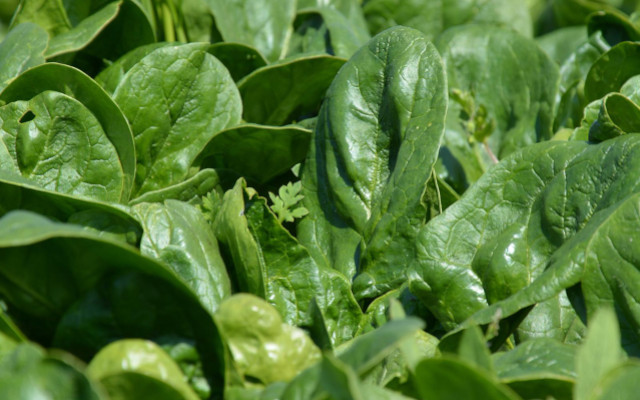
Spinach belongs to the spinach family Amaranthaceae. It is an annual herbaceous plant characterized by a rapid vegetative cycle, fleshy leaves and a relatively superficial root system. The main types grown in Italy they include smooth-leaved, semi-lady-leaf and blistered or curly-leafed spinach. In Italy they are historically appreciated variety with thick and curled leaves, such as Riccio d'Asti and Merlo Nero, considered more suitable for traditional cuisine thanks to the consistency that resists cooking better. Particularly important is the Winter Giant, a vigorous and cold-resistant variety, historically cultivated in winter production.
There natural seasonality favor autumn, winter and early spring. Although modern techniques allow almost annual production, spinach grown in the cold months generally has better organoleptic quality and less tendency to seedling. From a phytopathological point of view, the crop is exposed to downy mildew (Mealy downy mildew f. sp. spinaciae), the main fungal disease that has accelerated the selection of tolerant hybrids by seed breeders; companies such as Enza Zaden Italia have developed varieties that are resistant and suitable for organic cultivation in Mediterranean conditions (Market Data Forecast, 2024).
The technological evolution of sub-zero vegetables
The frozen vegetable sector confirms a sustained growth dynamic. According to 2025 data collected by NielsenIQ for theItalian Frozen Food Institute (IIAS), consumption of frozen products in the retail channel in Italy exceeded 642,000 tonnes (+1.1% compared to 2024). THE frozen vegetables remain in first place, with almost 207,000 tonnes in 2025, confirming food choices oriented towards well-being and the reduction of food waste (IIAS, 2026).
The technology IQF (Individual Quick Frozen) adopted in Italy by Orogel allows the sensorial characteristics and most of the micronutrients to be preserved through rapid freezing following blanching; the thermal passage to steam blocks the enzymatic activity while maintaining the appearance, taste and consistency of the leaves intact.
Agronomic and cultural identity of the Italian model
Italian spinach does not constitute a distinct botanical species but differs in varietal selection, sensory characteristics and gastronomic culture.
Preference for thick leaves. In Italy, varieties with thick, fleshy and curled leaves have historically been valued, which retain seasonings better and maintain consistency even after cooking, unlike in Anglo-Saxon markets where baby leaf spinach with smooth and thin leaves, intended for raw consumption, prevails.
The heritage of the winter 'Giants'. Varieties such as the Winter Giant constitute a distinctive agronomic value due to their broad leaves, pronounced flavor and excellent resistance to cold.
I use mainly cooked. While in other countries spinach is often consumed in salads or smoothies, in Italy its cooked use prevails: boiled or steamed, sautéed with extra virgin olive oil and garlic, in the filling of ravioli, in rustic cakes, in soups and as a traditional side dish.
Agricultural practices and organic development
I prefer spinach land fertile, well drained and rich in organic substance. The coastal and plain areas of central-northern Italy offer optimal conditions. The most popular agronomic practices include crop rotations, low-volume irrigation, mechanized harvesting, staggered sowing and integrated pest control. The most advanced supply chains are investing in precision agriculture, water monitoring and post-harvest waste reduction.
In organic farming, organic fertilization, preventive weed management and functional biodiversity are of particular importance. According to i ISMEA data (2025), theItalian organic farming it reached 2,514,596 certified hectares in 2024 (+2.4% on 2023), equal to 20.2% of the used agricultural area. A European record, well above Spain (12.3%), Germany (11.5%) and France (9.9%).
Biochemical profile and micronutrients according to CREA data
According to the CREA Food Composition Tables (2019), 100 grams of raw spinach provides on average:
- water: 90g;
- energy: 35 kcal;
- proteins: 3.4g;
- lipids: 0.7 g;
- carbohydrates: 2.9 g (of which sugars 0.4 g);
- fibers food: 1.9 g.
It is therefore an ad vegetable high protein content, since they provide 38.9% of the overall energy value. With regard to the tenors of micronutrients, spinach is characterized by:
- exceptional wealth in vitamin C: 54 mg per 100 grams of product, equal to 68% of the Nutritional Reference Value (80 mg) indicated in Annex XIII to Regulation (EU) no. 1169/11;
- formidable wealth in vitamin A: 485 μg per 100 grams of product, equal to 61% of the VNR (800 μg);
- high content of beta-carotene (vitamin A precursor): 1915 μg (VNR not available);
- source of potassium: 530 mg per 100 grams of product, equal to 27% of the VNR (2000 mg);
- source of iron: 2.9 mg, equal to 21% of the VNR (14 mg);
- source of magnesium: 60 mg, equal to 16% of the VNR (375 mg);
- source of copper: 0.16 mg, equal to 16% of the VNR (1 mg).
Spinach also provides bioactive compounds such as lutein, zeaxanthin, flavonoids and natural nitrates. Cooking can reduce some heat-labile vitamins, but partially increases the bioavailability of some carotenoids.
Iron bioavailability and biochemical interactions
The contents of iron in spinach, historically emphasized by popular culture, is significant but less than commonly believed in the past. There bioavailability of the mineral is limited by the presence of oxalates, which by binding divalent cations in the gastrointestinal tract reduce the absorption of iron and calcium.
In this regard, the Italian culinary tradition of seasoning spinach with lemon juice fresh finds a solid scientific justification: theascorbic acid it reduces ferric iron (Fe³⁺) to ferrous iron (Fe²⁺) – the most easily absorbable form in the duodenum – and forms soluble chelates which remain bioavailable even in the alkaline environment of the small intestine. This facilitative effect is particularly relevant in meals rich in absorption inhibitors, such as oxalates and polyphenols (Hurrell & Egli, 2010).
Clinical evidence on vascular health and ocular protection
Numerous peer-reviewed scientific studies associate the regular consumption of green leafy vegetables, including spinach, have benefits for cardiovascular and metabolic health (Boeing et al., 2012). Although these studies have not yet been evaluated by EFSA (European Food Safety Authority) with a view to the authorization of specific 'health claims', they offer useful ideas for the development of research also for this purpose.
Cardiovascular health and vascular function
The natural nitrates present in spinach are converted in the body into nitric oxide (NO), a signaling molecule that lowers blood pressure and improves endothelial function. A systematic review of 63,155 participants highlighted associations between habitual consumption of vegetables rich in nitrates and reduction in the incidence of cardiovascular diseases (Tan et al., 2024). The inorganic nitrates of spinach (Spinacia oleracea) exert cardiometabolic effects — including reduction of blood pressure and improvement of endothelial function — comparable to those of sugar beet, the most studied reference source in the literature (Jędrejko et al., 2024).
Metabolic support
An animal model study demonstrated that spinach nitrates improve insulin resistance, reduce triglycerides and LDL cholesterol, and lower inflammatory markers (TNF-α, IL-6) under conditions of a hyperlipid diet (Li et al., 2016). A large Australian cohort (AusDiab, over 8,000 participants) confirmed that increased consumption of green leafy vegetables it is associated with lower postprandial glycemic levels and better insulin sensitivity (Pokharel et al., 2025).
Eye protection
Lutein and zeaxanthin—the two predominant xanthophyll carotenoids in spinach—selectively accumulate in the retina, where they act as blue light filters and local antioxidants (Johnson, 2014). A systematic review of 55 publications confirmed their neuroprotective potential against age-related macular degeneration (AMD), with significant improvements in macular pigment density and visual acuity in subjects with early AMD (Lem et al., 2021). Mrowicka et al. (2022) further documented defense mechanisms against retinal oxidative stress.
A'warning should be addressed to subjects with a predisposition to kidney stones oxalate, which should moderate the consumption of spinach since its oxalate content can contribute to the formation of calcium oxalate stones in the urinary tract.
Traditional gastronomic applications and gourmet sector
Spinach plays a central role in regional Italian cuisine. Among the more traditional uses are:
- ravioli ricotta and spinach, tortelli, gnocchi greens (with the addition of spinach in the dough), savory pies such as Emilian herbazzone, rustic soups
- more austere side dishes (boiled spinach with extra virgin olive oil and lemon) or hedonistic (sautéed with extra virgin olive oil and garlic).
Spinach frozen they maintain wide diffusion - in professional and domestic catering - thanks to practicality, waste reduction and annual availability. In the gourmet segment, there is growing interest in fresh organic spinach, traditional varieties, high-quality baby leaves and products from certified local supply chains.
Choice criteria for consumers and public purchases
For consumers, it is preferable to choose certified organic spinach, seasonal products, turgid leaves without yellowing, from local supply chains or with controlled residue. Fresh spinach should be consumed quickly after purchase to limit the loss of vitamin C and folate. Even better with the addition of fresh lemon juice, to promote the absorption of iron.
For catering and professional buyers, are strategic: traceability of the supply chain, documented Italian origin, environmental certifications, especially the added value of frozen foods IQF. Italian organic spinach can represent a distinctive element in ESG policies and sustainable procurement, including in public procurement (Sustainable Public Procurement).
Conclusions
The Italian spinach supply chain represents a virtuous example of integration between protection of biodiversity, agro-industrial excellence and enhancement of nutritional properties. The premium price positioning on foreign markets and the parallel expansion of organic production nationally confirm the sector's ability to intercept global sustainability demands. The future competitiveness of the sector lies in the consolidation of traceability and technological transfer in the field, essential requirements for maintaining the qualitative and economic primacy of Made in Italy.
Dario Dongo
Credit cover El Tamiso organic agricultural cooperative
Bibliography
- Boeing, H., Bechthold, A., Bub, A., Ellinger, S., Haller, D., Kroke, A., Leschik-Bonnet, E., Müller, M. J., Oberritter, H., Schulze, M., Stehle, P., & Watzl, B. (2012). Critical review: Vegetables and fruit in the prevention of chronic diseases. European Journal of Nutrition, 51(6), 637–663. https://doi.org/10.1007/s00394-012-0380-y
- CREA – Food and Nutrition Research Center. (2019). Food Composition Tables — Spinach, raw. Council for agricultural research and analysis of agricultural economics. https://www.alimentinutrizione.it/tabelle-nutrizionali/005700
- IIAS – Italian Institute of Frozen Food. (2026, March 6). More and more frozen foods in Italian homes: 2025 retail data. https://www.Istitutosurgelati.it/sempre-piu-surgelati-nelle-case-degli-italiani/
- IndexBox. (2025). Global spinach market's steady growth fueled by China's dominance and a 2.6% CAGR projection through 2035. https://www.indexbox.io/blog/spinach-world-market-overview-2024-2/
- ISMEA. (2025). Bio in numbers 2025. Institute of Services for the Agricultural and Food Market / MASAF / CIHEAM Bari. https://www.ismeamercati.it/flex/cm/pages/ServeBLOB.php/L/IT/IDPagina/13717
- ISMEA. (2025). Italian agri-food report 2025. https://www.ismeamercati.it/flex/cm/pages/ServeBLOB.php/L/IT/IDPagina/13702
- Jędrejko, M., Jędrejko, K., Gómez-Renaud, V. M., Kała, K., & Muszyńska, B. (2024). Exploring the impact of alternative sources of dietary nitrate supplementation on exercise performance. International Journal of Molecular Sciences, 25(7), 3650. https://doi.org/10.3390/ijms25073650
- Johnson, E. J. (2014). Role of lutein and zeaxanthin in visual and cognitive function throughout the lifespan. Nutrition Reviews, 72(9), 605–612. https://doi.org/10.1111/nure.12133
- Hord, N. G., Tang, Y., & Bryan, N. S. (2009). Food sources of nitrates and nitrites: The physiologic context for potential health benefits. The American Journal of Clinical Nutrition, 90(1), 1–10. https://doi.org/10.3945/ajcn.2008.27131
- Hurrell, R., & Egli, I. (2010). Iron bioavailability and dietary reference values. The American Journal of Clinical Nutrition, 91(5), 1461S–1467S. https://doi.org/10.3945/ajcn.2010.28674F
- Lem, D. W., Davey, P. G., Gierhart, D. L., & Rosen, R. B. (2021). A systematic review of carotenoids in the management of age-related macular degeneration. Antioxidants, 10(8), 1255. https://doi.org/10.3390/antiox10081255
- Li, T., Lu, X., Sun, Y., & Yang, X. (2016). Effects of spinach nitrate on insulin resistance, endothelial dysfunction markers and inflammation in mice with high-fat and high-fructose consumption. Food & Nutrition Research, 60, 32010. https://doi.org/10.3402/fnr.v60.32010
- Market Data Forecast. (2024). Europe spinach seeds market size, share & analysis, 2033. https://www.marketdataforecast.com/market-reports/europe-spinach-seeds-market
- Agricultural Marches. (2024). Spinach from the Marche region, amidst climate challenges and a growing market. https://www.marcheagricole.it/spinaci-surgelati/
- Mrowicka, M., Mrowicki, J., Kucharska, E., & Majsterek, I. (2022). Lutein and zeaxanthin and their roles in age-related macular degeneration — neurodegenerative disease. Nutrients, 14(4), 827. https://doi.org/10.3390/nu14040827
- Pokharel, P., Blekkenhorst, L. C., Bondonno, C. P., Murray, K., Radavelli-Bagatini, S., Magliano, D. J., Daly, R. M., Shaw, J. E., Lewis, J. R., Hodgson, J. M., & Bondonno, N. P. (2025). Associations of vegetable and potato intakes with markers of type 2 diabetes risk in the AusDiab cohort. Journal of Clinical Endocrinology & Metabolism, 110(4), e1068–e1083. https://doi.org/10.1210/clinem/dgae333
- Tan, L., Stagg, L., Hanlon, E., Li, T., Fairley, A. M., Siervo, M., Matu, J., Griffiths, A., & Shannon, O. M. (2024). Associations between vegetable nitrate intake and cardiovascular disease risk and mortality: A systematic review. Nutrients, 16(10), 1511. https://doi.org/10.3390/nu16101511
- World's Top Exports. (2024). Top fresh spinach exports by country 2024. https://www.worldstopexports.com/top-fresh-spinach-exports-by-country/

Dario Dongo, lawyer and journalist, PhD in international food law, founder of WIISE (FARE - GIFT – Food Times) and Égalité.


